At Moyle Primary School, Larne, Northern Ireland, Hannah Henry (P1 Teacher & Lexia Coordinator) and Allison Perry (Lexia Support Teacher) have been seeing remarkable literacy growth from Lexia’s Core5 Reading programme. As our Star School for November 2025, Hannah and Allison discuss why they chose Lexia to support pupils flagged through dyslexia screening. They share how they organise daily routines to make the programme work, and what makes Lexia different from other literacy tools.
Their inspiring story shows how a structured, engaging, and effective approach can make a real difference in literacy outcomes.
How did you first come across the Lexia program and what led to the school's final decision to purchase?
Hannah: I was part of the curriculum team at the time, and we were researching how we could best support children who had been flagged through the dyslexia screener. We were researching different options, what interventions we could use, and that’s when I first heard about Lexia.
It actually came through a contact at another school who recommended it to me. We arranged a demonstration and started trialling it with small groups to see how it worked in practice.
We absolutely loved it. The individual learning paths, the teacher-friendly reports, and the fact that the pupils really enjoyed it made such a difference. That’s really what led us to the decision to go ahead with it.
Allison: After doing some training with LexiaUK around May last year, I learned a lot more about the admin side. Things like adding pupils, assigning them to classes, and even about the PowerUp programme, which I hadn’t realised we had access to before.
What do you feel makes Lexia stand apart from other reading skills software products on the market?
Hannah: It really is real-time monitoring of the children. Alison’s brilliant at picking up if a child is flagged, she can identify them straight away, and then we can get individual lessons sorted. Any difficulties are nipped in the bud, and we can feed that back to teachers so they know where a child might be struggling.
Allison: That’s one of the things I really like: not only do you get immediate feedback if a child hasn’t understood something, but you can also print out a one-to-one lesson and deliver it right away. You’re addressing the skill they struggled with on the same day, not waiting six months and hoping they remember.
Sometimes when I go to deliver a lesson, the children will say, ‘Oh, I was doing that on Lexia!’ In fact, there have been times when a pupil has even explained the spelling rule back to me perfectly, and I’ve thought, ‘Right, you clearly get this now, we don’t even need to continue with the lesson.’
Hannah: There’s also a nice bit of healthy competition. Pupils will almost challenge each other to see how many units they can complete. I love that energy.
How is Lexia used in your school?
Hannah: Every half term, teachers meet with the principal, vice principal and senior leaders to identify children they feel would benefit from Lexia. From there I pass them on to Allison and that’s when we set up the timetable.
Allison: We run three sessions a day, Monday to Friday, in the mornings. I also keep two afternoons each week as ‘mop-up’ sessions. That’s when I monitor who hasn’t met their unit target, who needs extra support or who might need a one-to-one lesson. I encourage the children to focus on their unit goal rather than just the time goal. The aim is that every student gets at least three 30-minute sessions a week, which is enough time to meet both their unit and time goals. If they don’t, they go into a mop-up session.
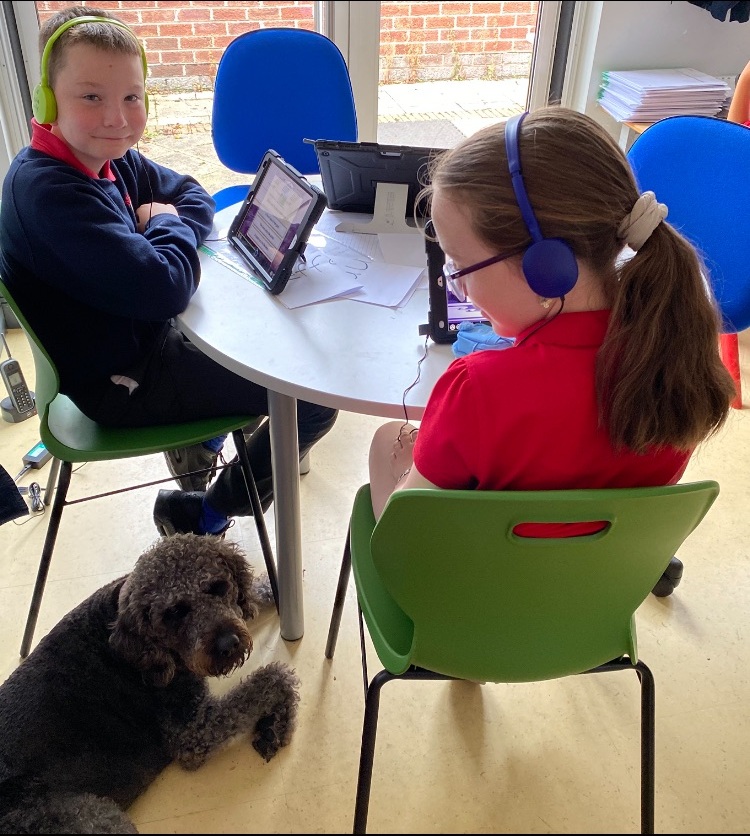
Hannah: Some children work better in smaller nurture groups, especially in Alison’s room, where we have the therapy dog, Nessa, while others do fine in larger groups. Some are too tired in the afternoon, others don’t arrive at school until later, so we avoid putting them in early sessions. And a small number prefer working in class rather than group sessions, but they’re monitored just as closely.
Allison: We’re very lucky to have a dedicated literacy coordinator, supportive leadership and extra staff to share the workload, whether that’s delivering lessons or helping with admin like printing and preparation.
If you want Lexia to be successful, you do need to put staff into it. The best way to make it work is to create a specific role for someone to deliver and manage the programme, rather than giving it as an extra responsibility. That’s essentially what’s been done for me, and it makes all the difference.
Describe the impact that Lexia has had on your pupils
Hannah: Yeah, I think the impact has just been amazing. Even from my own experience in P5 and P4, I’ve noticed a real difference. A lot of the pupils who had been struggling with reading now have so much more confidence. Their fluency has improved, and they enjoy seeing their own progress. They love that sense of achievement.
We present Lexia certificates in assembly, which really helps celebrate success. You can see how much it means to them. They know exactly when they’re due one and will be waiting eagerly to go up.
Hannah: Our principal even said he should rename assembly the ‘Lexia Assembly’ because so many certificates were being awarded. It’s brilliant, though, because the children absolutely love it. And what’s been really encouraging is seeing those pupils who normally freeze at the word ‘literacy’ actually enjoying Lexia. For them, it doesn’t even feel like literacy, it feels different and that’s powerful.
Can you give an example of a Lexia success that sticks out to you?
Hannah: Yes, so there’s one child I’m thinking of. He was in Primary 5, and in a single year he went up nine levels. It was amazing! He was just so motivated.
Because I’d taught him the year before, I knew him well, and even when I saw him outside class he’d be saying, ‘Guess what? Guess how many levels I’ve done? Guess how many units I’ve got today?’
Allison: He was just so excited. You couldn’t get rid of him, he was always at the door saying, ‘Do you need me this afternoon?’ If there was a space, I’d let him come in, because he just loved it so much.
How have you used rewards to motivate and celebrate success on the Lexia program?
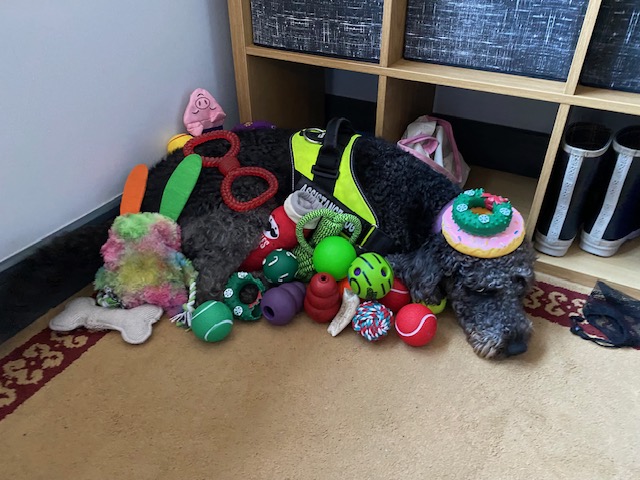
Allison: We track who gets the highest number of units each week. Those pupils get to come down to our little Lexia classroom, where they can see Nessa, our therapy dog, and pick a treat from the box of goodies.
How useful have you found the myLexia reports in terms of demonstrating progression and informing planning?
Hannah: Yeah, it’s been really, really useful. At the end of the year we were printing out the overview, and Alison and I looked at it together. It was so detailed, and very interesting to see the levels.
I’ve also found it helpful that teachers can see very clearly where a student might be struggling. I keep a shared resource for staff, so if a child is flagged in a certain area, teachers can go in and see relevant support materials. We also have the workbooks for children, which teachers can use too.
Allison: The key is getting all staff on board. Timetables are busy and nobody wants ‘something extra.’ But once I’d done the training with LexiaUK, I realised how important it was for everyone to know what’s available and how to access it. It doesn’t just have to be children on Lexia who benefit, the Skill Builders and worksheets can be used by any member of staff. If a teacher wants to cover, say, “Magic E”, the resources are already there.
It helps keep everything joined up, and stops us reinventing the wheel. The information is already there, and using it just makes life so much easier.
What main piece of advice would you give to a school that was just getting started with Lexia?
Hannah: I think the key is to start with a really clear plan. At the beginning it can feel a bit overwhelming, so make sure from the start that staff understand how to use the reports and the resources.
It also helps to have a clear Lexia lead. Not too many people all doing the same thing, but also not leaving it all to one person either.
Allison: We’re also very lucky to have a dedicated space where children can come out of class for Lexia. We have tried running it within classrooms, and that can work for a few pupils, but it really needs a classroom assistant there to keep children on track.
Hannah: Finally, with the children themselves, I’d say celebrate them early on. Build engagement right from the start. Those small wins really matter, get the certificates printed and handed out quickly, and make them feel excited and invested.
What feedback have you had from your Lexia pupils?
Hannah: Yeah, so the feedback’s very positive. They like the fact that they get this time that’s just for them. They have their own login, they can see everything so clearly, and it’s theirs to do. It adapts to their level, so they’re working on things suited to them, and they also have choice in it.
Allison: They’ve also become very au fait with checking their progress. They’ll quickly go back to the home screen to see how many units they’ve done and how much time they’ve spent. They’ll often say things like, ‘Oh, I’ve done 40 minutes more than I should have,’ or ‘My unit wheel is complete.’ They really know where they’re at. It’s empowering for them, putting them in control.
Hannah: And a lot of the kids love having Nessa, our therapy dog, in the room. Even when she’s just walking around, they stay focused and engaged.
Allison: You’ll see them with their headphones on, working on their iPad, while patting the dog with the other hand. It’s very sweet.
Is there anything else you would like to add?
Hannah: I think one reason it’s been so successful is because we’ve got clear responsibilities and good communication. We check in with each other regularly, how are things going, what needs to change and we’re adaptable. If something’s not working, we adjust.
We also talk a lot with class teachers. They’ll tell us if a pupil is struggling a bit, or finding it hard to come out of class, and we’ll think about ways to change things.
If you could describe Lexia in 3 words, what 3 words would you use?
Both: We’ll go with “3 E’s”: Engaging, effective and empowering!