Hill View Infant Academy
Staff reported exceptionally strong engagement with Lexia Core5 Reading, with many children asking "When is Lexia?" at the start of the school day.


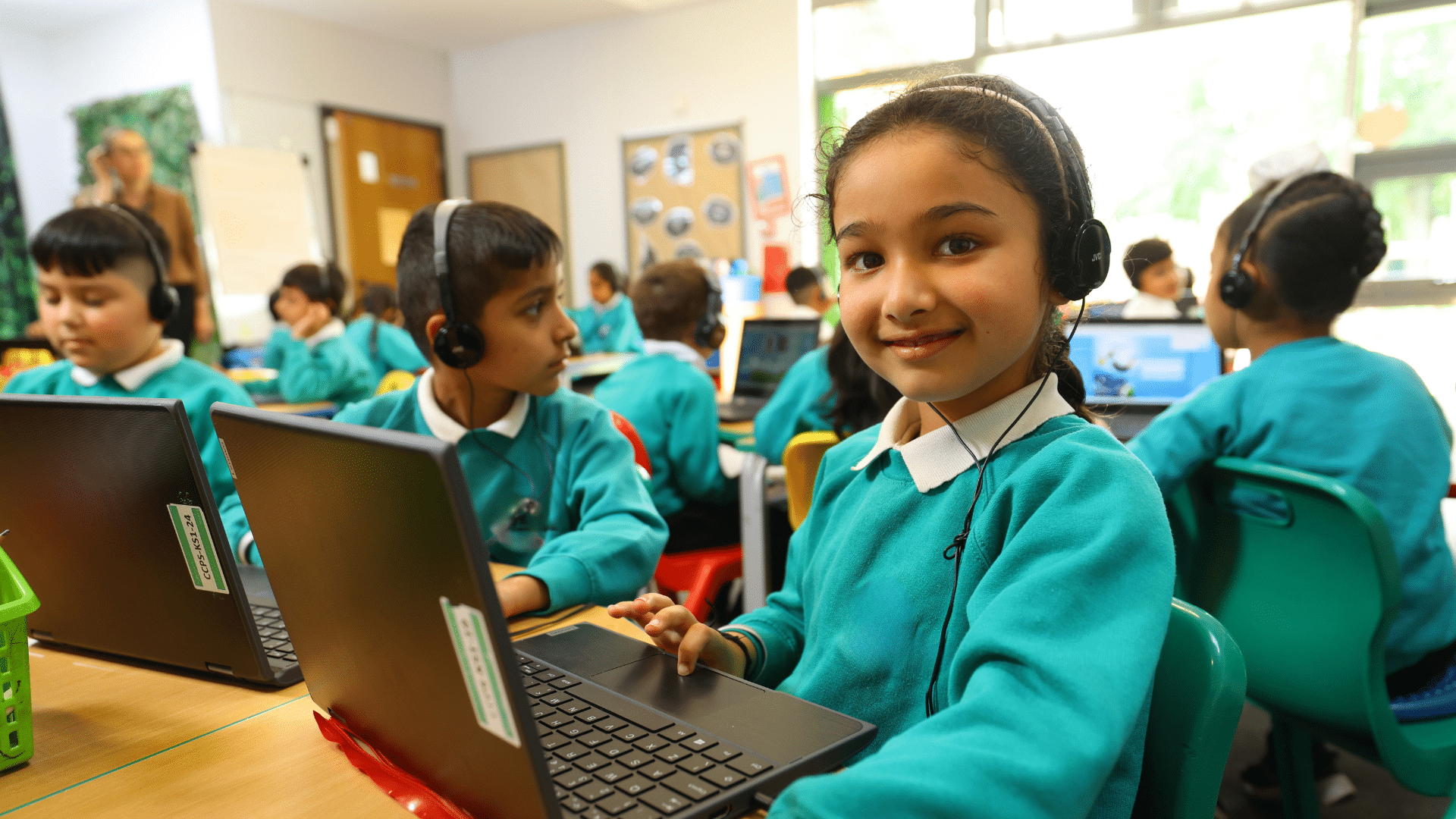
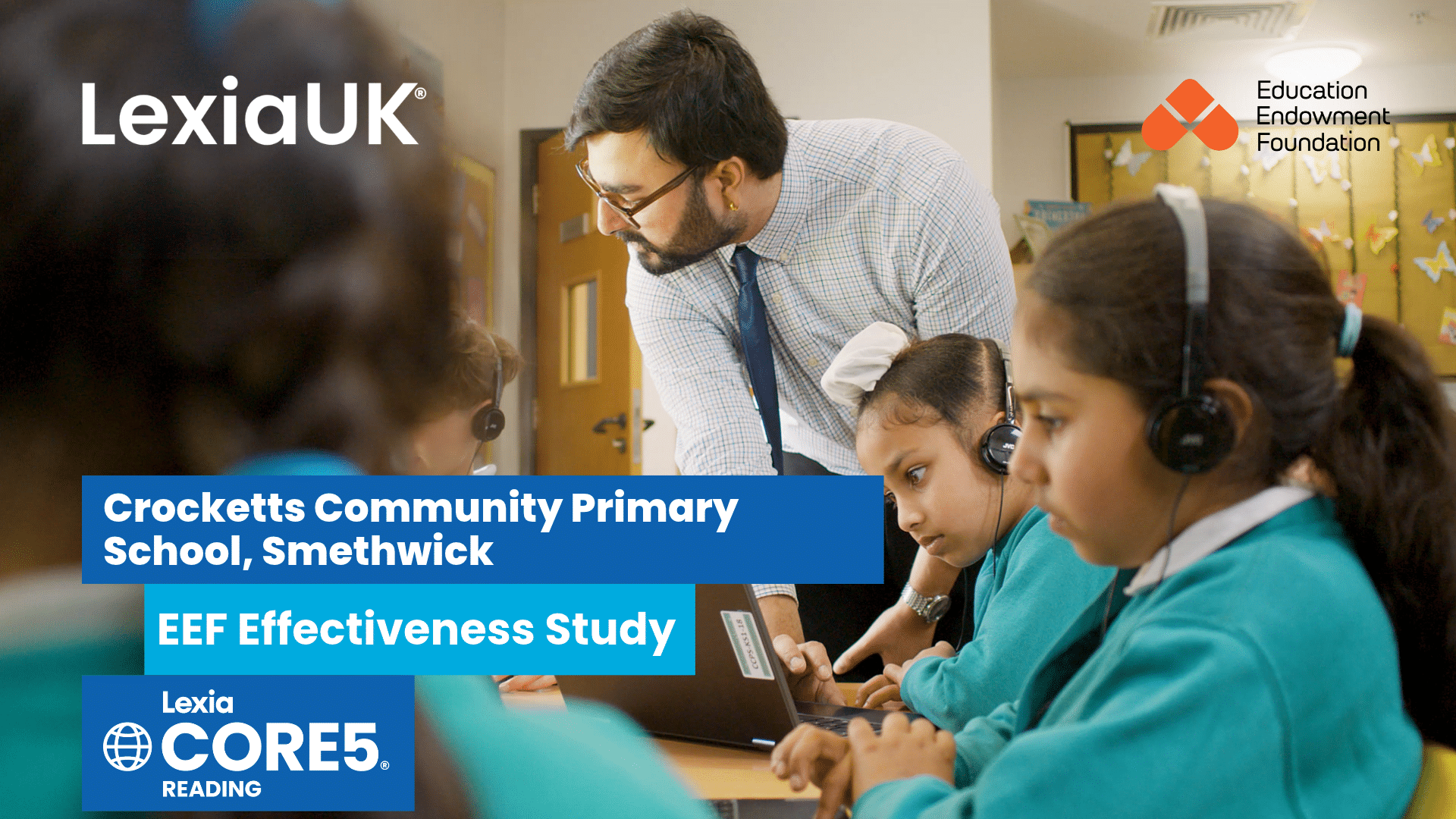
Crocketts’ Community Primary School is a two-form entry primary school located in the diverse community of Smethwick, Birmingham.
Crockett’s was selected by the Education Endowment Foundation (EEF) as a part of the experimental group for the latest effectiveness study. Staff identified many pupils were arriving at school with lower levels of language and literacy development, something they partly attributed to screen use before starting school. The school also supports a high proportion of whose first language is not English.
Staff reported seeing positive progress quickly, including among pupils with significant SEND needs. Following their experience in the study, the school expanded its use of Lexia Core5 Reading across the whole of Year 2 and now also uses the programme as an intervention throughout Key Stage 2.
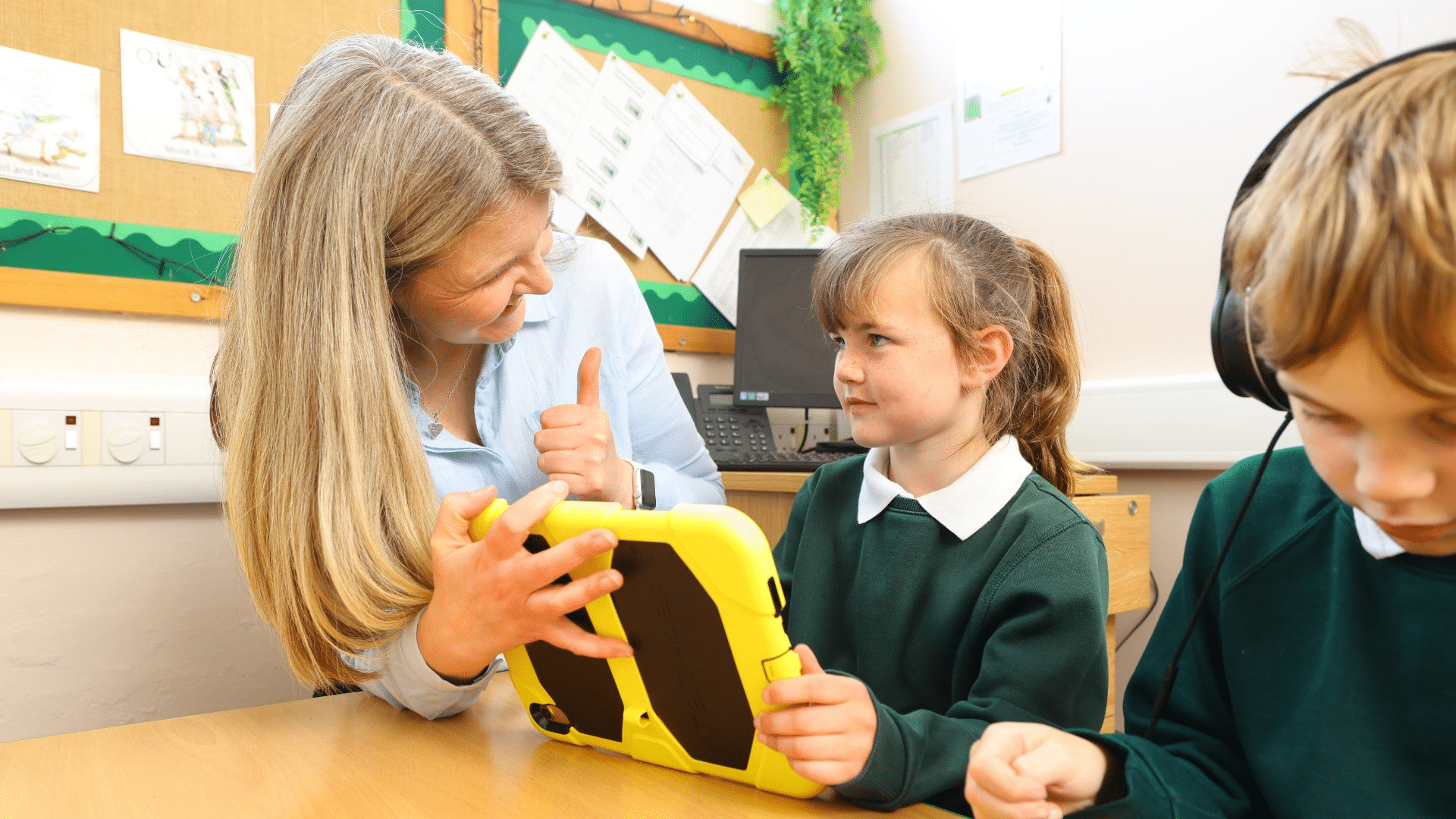
Staff reported exceptionally strong engagement with Lexia Core5 Reading, with many children asking "When is Lexia?" at the start of the school day.

Behind every piece of evidence are the schools, staff and pupils who brough the research to life.
The school noticed a huge impact upon starting the programme, particularly among lower attaining pupils who struggle with reading skills.
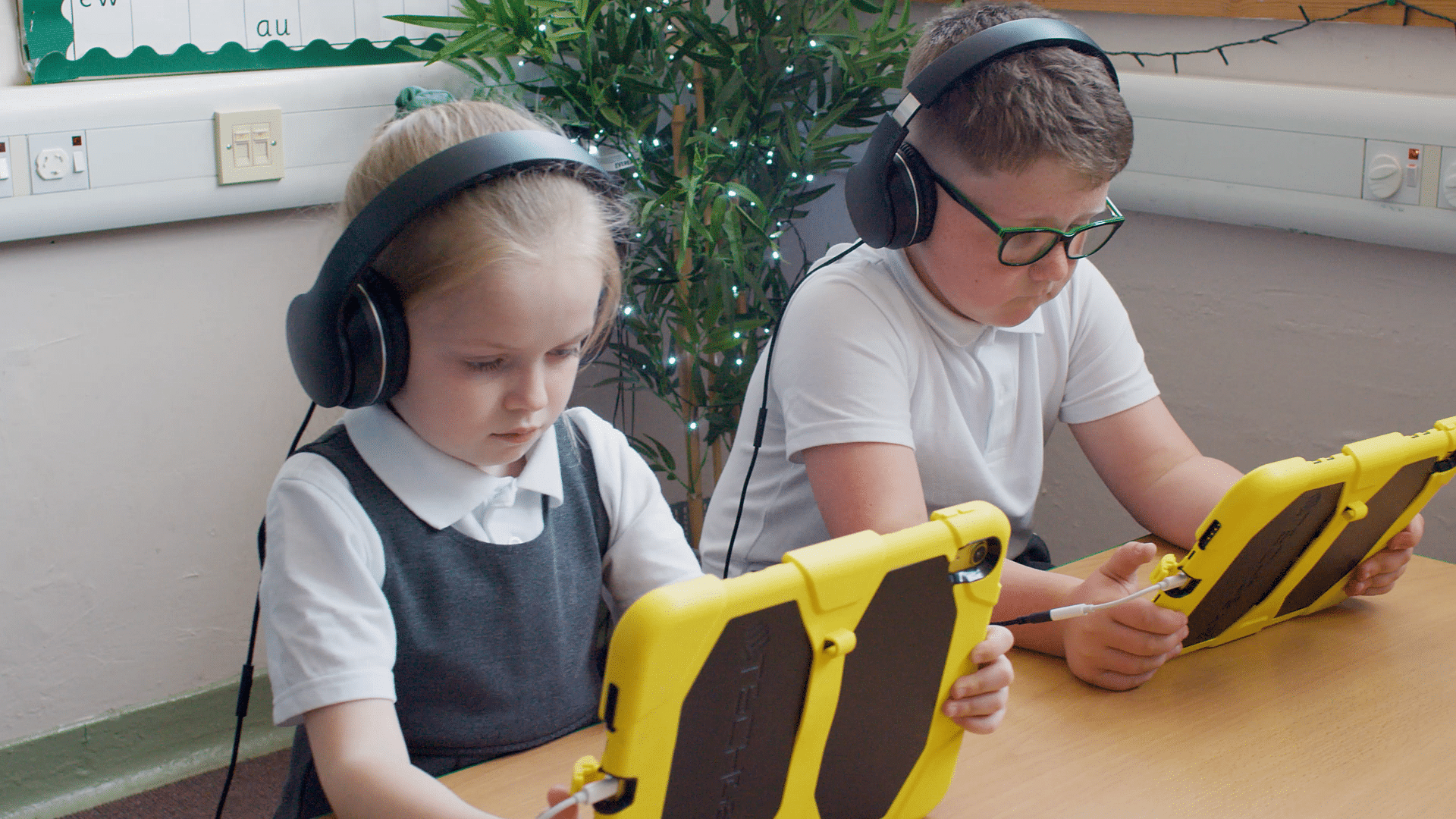
Hill View Infants Academy is a large four-form entry infant school in Sunderland, with around 445 pupils.
Although the school has relatively low levels of SEND and Pupil Premium eligibility, many families rely on wraparound childcare due to working commitments. As a results, opportunities for reading practice and homework at home can sometimes be limited.
Staff reported exceptionally strong engagement with Lexia Core5 Reading. Once daily routines were established, pupils became highly motivated to use the programme, with many children regularly asking “When is Lexia?”, at the start of the school day.
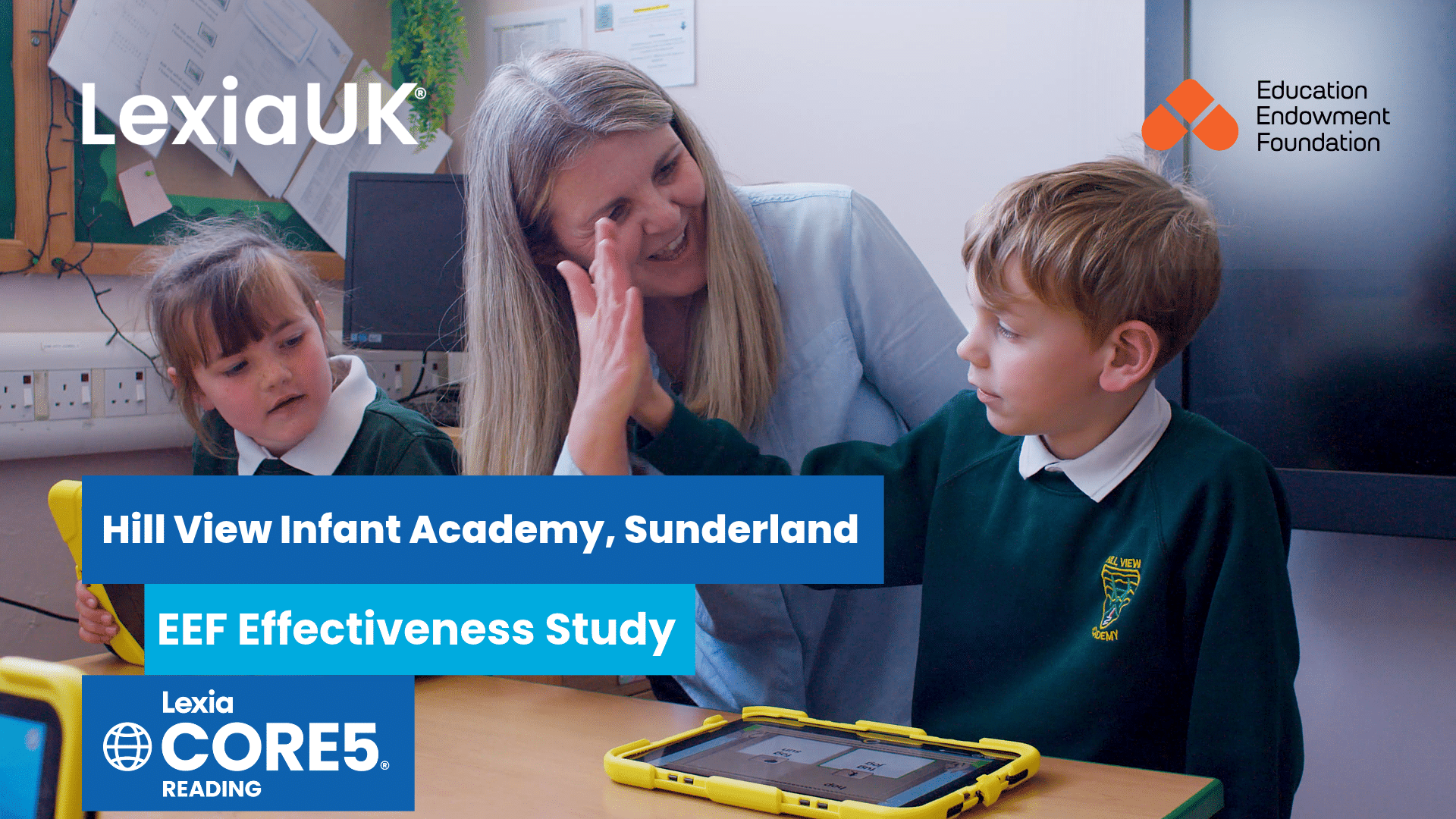
The school noticed a huge impact upon starting the programme, particularly among lower attaining pupils who struggle with reading skills.
Behind every piece of evidence are the schools, staff and pupils who brought the research to life.
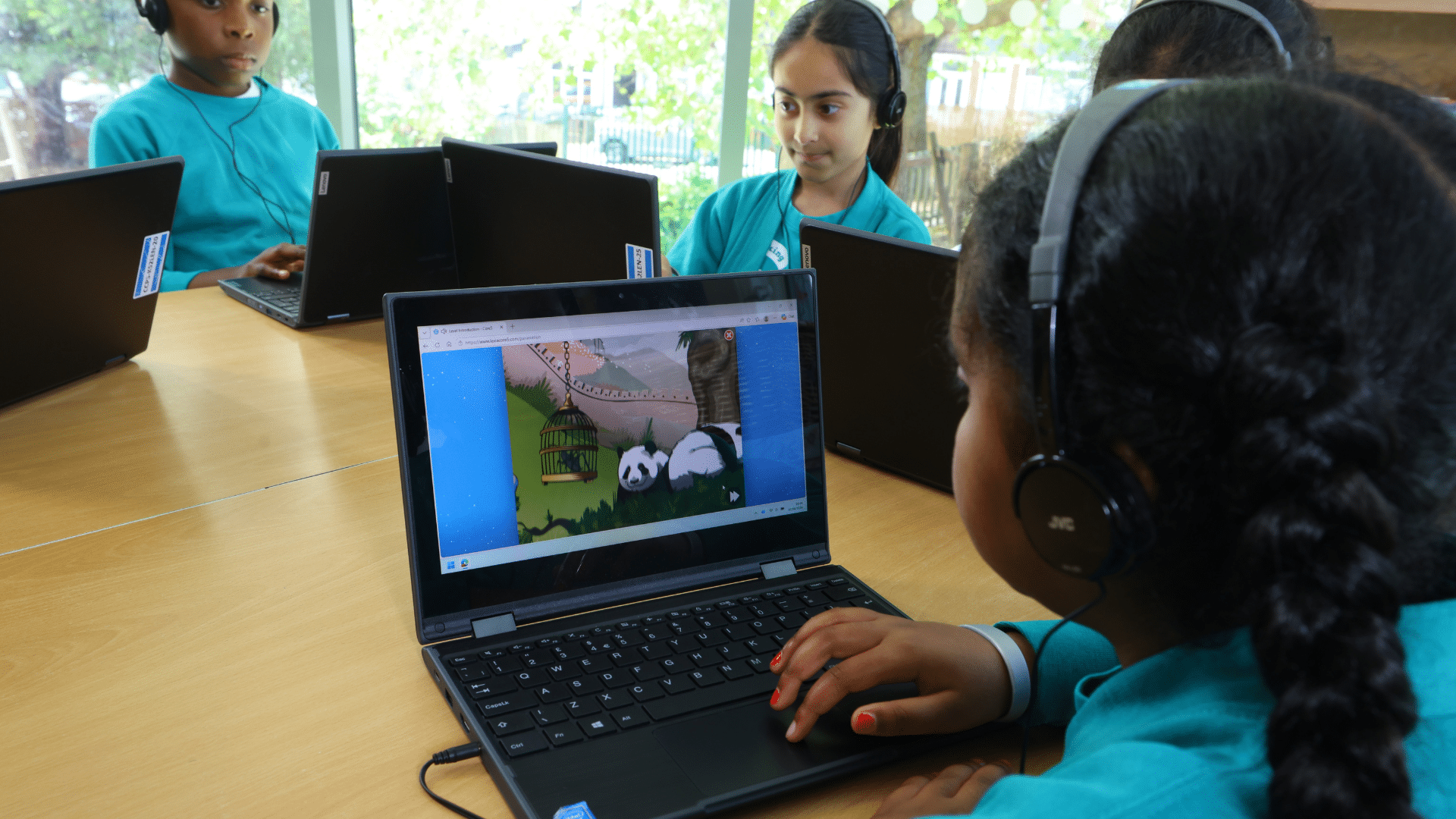
Staff reported seeing positive progress quickly, including among pupils with significant SEND needs.
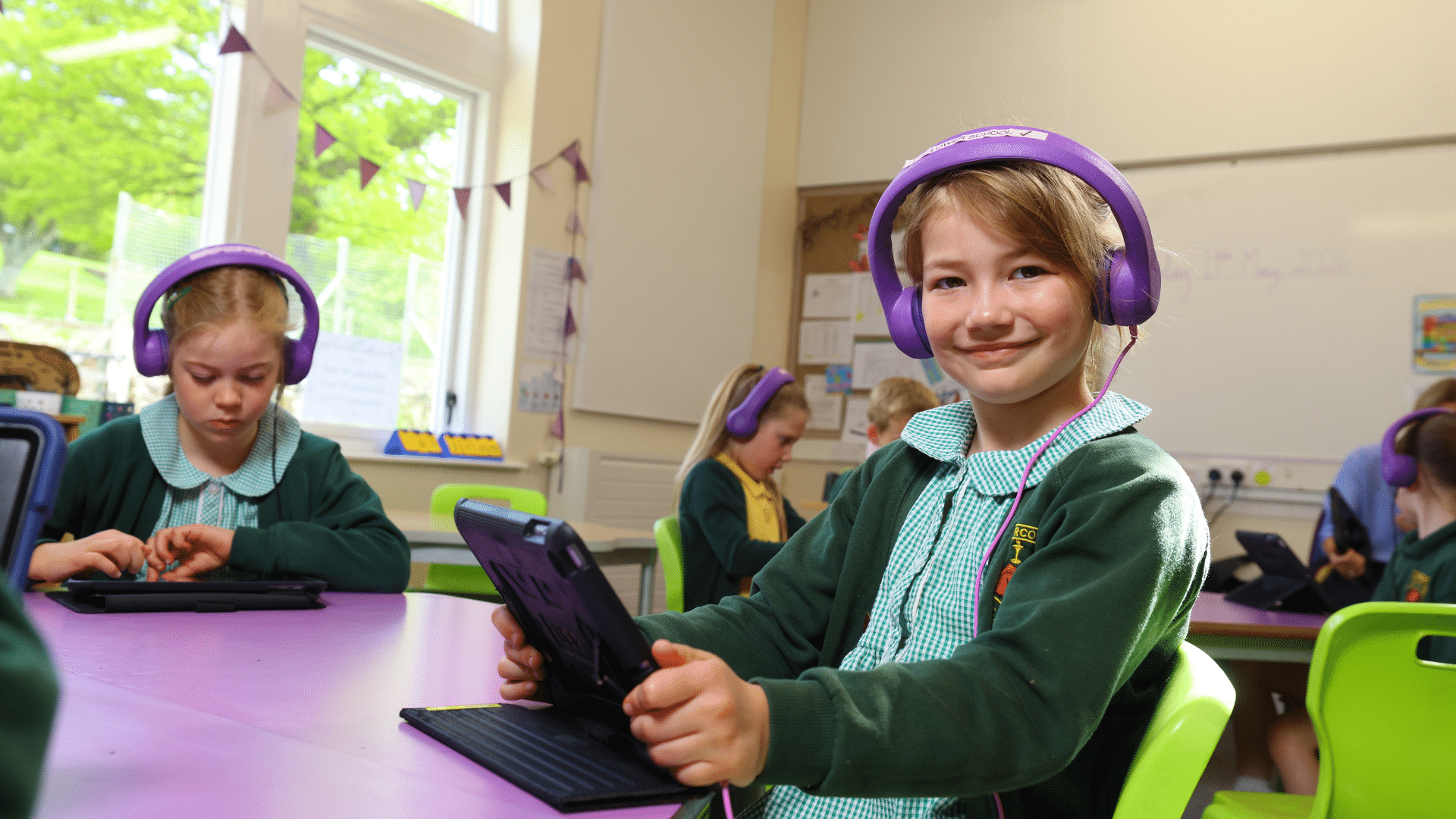
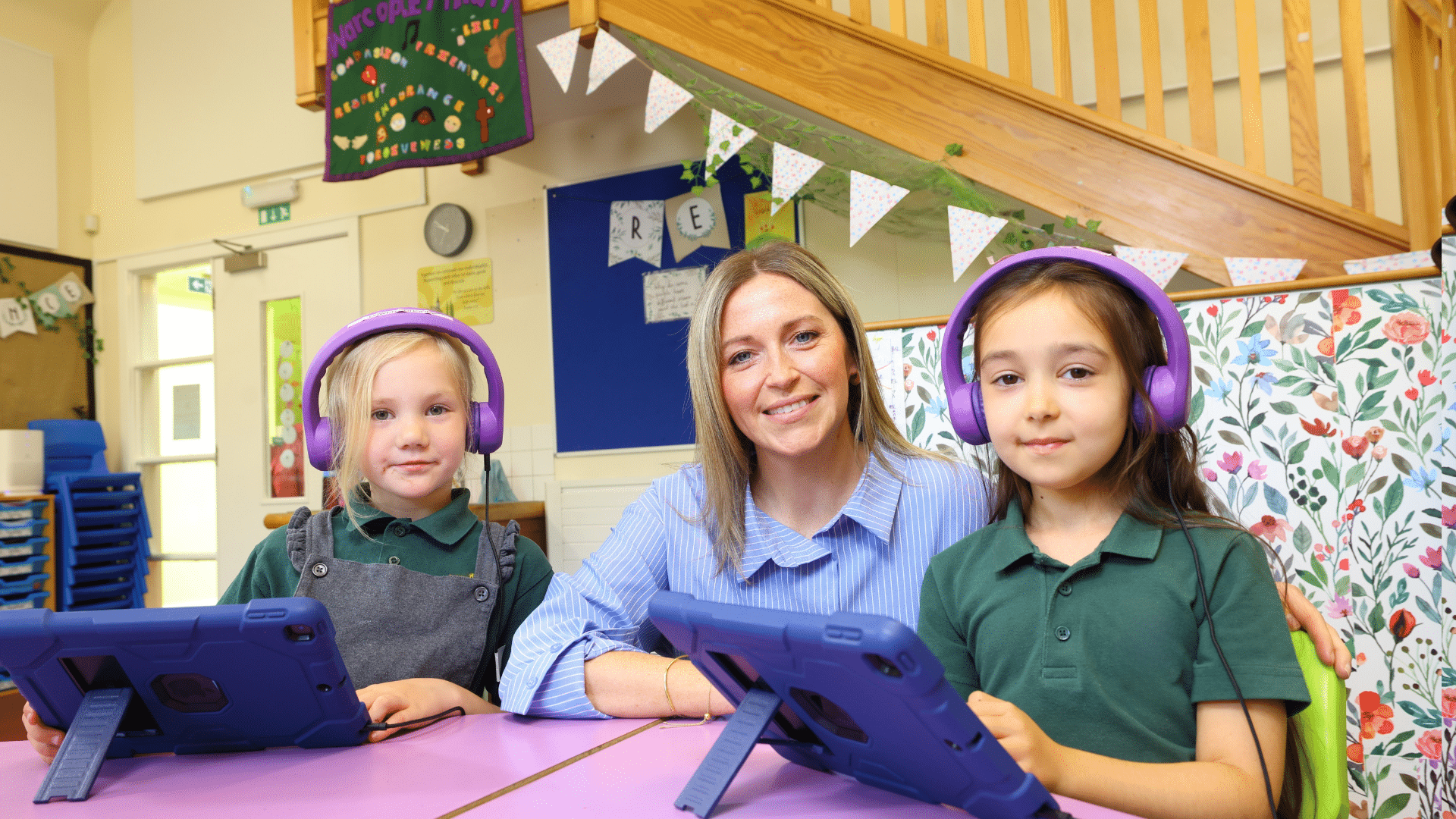
Warcop CE Primary School is a small rural school located in the Eden Valley, with around 85 pupils organised across four mixed-age classes. Like many rural schools, access to larger libraries and literacy resources can be more limited, making targeted reading support especially valuable.
The school noticed a huge impact upon starting the programme, particularly among lower attaining pupils who struggle with reading skills that may not have otherwise been reached in Guided Reading sessions.
Staff found that pupils engaged enthusiastically with Lexia Core5 Reading from the very beginning. Children particularly enjoyed earning certificates, celebrating their achievements and developing a strong sense of ownership over their own learning and progress.
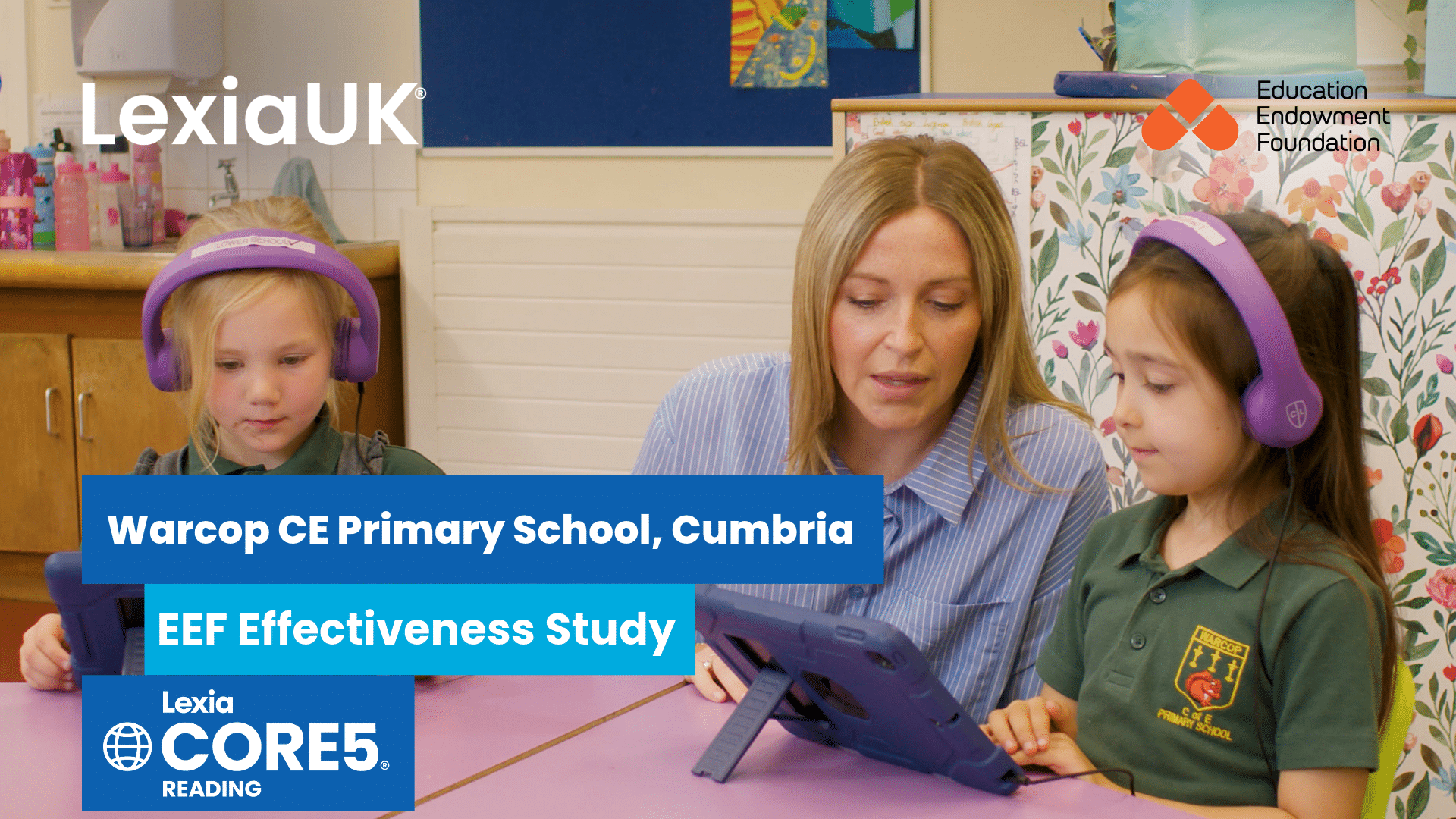
Staff reported exceptionally strong engagement with Lexia Core5 Reading, with many children asking "When is Lexia?" at the start of the school day.
Behind every piece of evidence are the schools, staff and pupils who brough the research to life.
Staff reported seeing positive progress quickly, including among pupils with significant SEND needs.
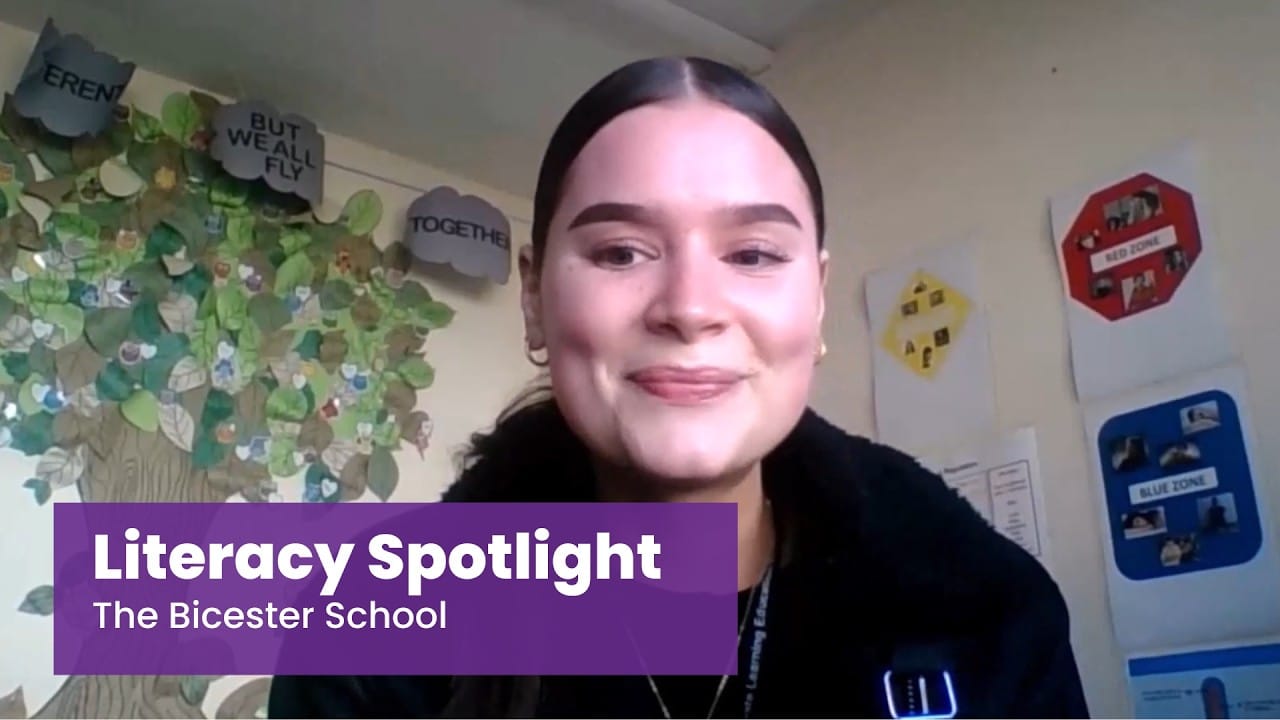
This time the Literacy Spotlight is shining on The Bicester School, Oxfordshire. HTLA/Lexia Coordinator Keeley Greer tells us of the difference PowerUp Literacy has made to her school, the importance of building a routine and how myLexia data has informed implementation across key stages.
Keeley: We’re a mainstream secondary school, with students aged from 11 all the way through to 18. With Lexia, we normally target students aged 11 to around 15 or 16, although they can continue into Year 11 if they would like to.
We mainly use Lexia in our SEMH base here at the school, which we call the Learning Zone. It’s a smaller space, based in the centre of the school, and that’s where we run Lexia.
It was already in place when I joined over six years ago, so we’ve been using it for a long time.
Keeley: I thought it was brilliant. Honestly, I had never seen a programme like that within my time at secondary school.
So, to join this secondary school and then see it being implemented in interventions, I thought was really good. It was easy to follow and the children seemed to really enjoy it. So yeah, I was really surprised.
Keeley: What I really like about LexiaUK is that it’s tailored to each learner. I think that’s so important, and it’s a key factor because it supports their independence in their own learning. It also makes the work feel purposeful.
Without that link to their individual targets, they might start to question why they’re doing it, especially if it feels a bit too challenging. So, the fact that it is tailored to them, it really helps and it’s also quite motivating. It’s something they can do, even though they find it challenging, and being able to take back some ownership of their learning is really important.
Keeley: We network in our school so we have a reading and literacy lead in the English department that we work really closely with. They will do a star reading test and we get the results of their percentiles and their reading ages. Anyone that can do with like a little boost and a bit of extra support gets sent to me. Then, I will timetable them in to come to the learning zone and to experience Lexia.
We specifically focus on Year 7 and 8 so that we can give them the intervention as soon as possible. But we also extend it all the way up the school so anyone is welcome to use it up to year 11. We don’t cut anyone off. So, we mainly focus on the Year 7 and 8 groups and anyone that wants to continue or maybe flagged in a later year, is welcome to try out.
Keeley: We mainly aim for four sessions a week. The way we structure it is with half an hour of group reading or partnered reading, followed by half an hour on LexiaUK, and that works really well for concentration span.
Having that mix of reading aloud in a group setting and then independent focus has really helped our students, and they genuinely enjoy it. Having that consistent routine and approach works much better for them.
Keeley: Yes, we have a really calm and quiet environment, and I think that really helps. It’s quite a welcoming space. We take a simple approach. Students come in, do a group read, get logged on and then work independently. It’s about giving them the space to do it for themselves and show themselves that they can do it.
They absolutely love the certificates. Whenever someone earns a certificate, we always make a fuss and they’re presented with it properly. We also use a house point system, so house points are rewarded, along with postcards. Even small things like, “I can see you’ve done really well,” or giving positive feedback, really help.
That’s how we’ve kept motivation high and used LexiaUK in a way that supports our students.
Keeley: Yeah, I found that so beneficial. It’s also really important to say that I had a LexiaUK training session when I first took over running LexiaUK, and that helped me massively. Without that, I wouldn’t really have known where to start or where to look for the things that would support me. So, the fact the LexiaUK team offered that was really, really helpful.
I also saved the recording, so I sometimes go back and have a look when I can’t quite remember how to do something. But overall, seeing the data and the charts is brilliant. When I go into the class list and click on a student, I can see their worksheets and the things they’ve missed, which is really, really helpful. It gives me a clear understanding of what they’re getting and what they aren’t getting.
It also really supports discussions in meetings with SLT and senior leaders. Having that kind of data to show makes a real difference in supporting our intervention and helping us move students forward.
Keeley: The advice I would give for anyone giving Lexia go is just to try it. Just try the programme, because you will see it gives back what you put into it. So explore it, you can’t really go wrong! Don’t be afraid, and don’t be afraid to reach out to the LexiaUK team. I did, and it helped me so, so much.
There are so many resources available, including lesson plans that you can print and use. You might do it once with the student, and then they can take it away and continue the programme independently. So, you can set the student off on some independent learning, or support them with the worksheet first and then let them move on to learning by themselves.
It’s really versatile. Students can work independently, as a group, or even in pairs. Sometimes pairs will come out and help each other. If one student flies through grammar and the other is thinking, “Oh my goodness, I don’t know how to do this,” they can support each other.
It just creates such a lovely atmosphere, that’s what I’ve found with Lexia.
Keeley: There’s been a massive shift this year. In particular, I’ve noticed a real push from students wanting to come back to intervention. They are wanting to choose the programme again, return to the Learning Zone and keep going.
A lot of students have also taken it into their own hands. They’re taking their cards home to continue the programme and push themselves further. So even if they’ve made enough progress with me to move on, they still want to carry on at home. What’s really nice is that this is starting to have an impact beyond the individual, siblings are seeing it, wanting to get their own cards and joining in at home too. It’s happening across year groups, and it’s been really lovely to see.
Through using the programme, our students with Lexia in particular have seen their reading ages go up, which is a massive accomplishment for them. We track this progress carefully and record it in our system so we can show that they’ve had the programme and what the outcomes have been.
Overall, our readers have improved. It’s brilliant, really! We couldn’t be happier.
Keeley: I have a few LexiaUK success stories, and really, any student who comes and gives it a go is a massive accomplishment in itself. I’m always so proud of all of them.
There are some students who have really taken it into their own hands and have used the programme throughout their time in secondary school. In particular, one student in Year 9, now moving into Year 10, have come to me asking, “Please can I have my card? Please can I do it at home?” They’re working incredibly hard using the software, and it’s amazing to see. It’s also having such a positive impact on them in lessons, which makes it a real success story.
I also have another learner who is very shy, but comes in and works so tirelessly on Lexia, always trying their best. You can see their progress clearly and their chart just keeps going up and up and up, which is wonderful to see. Even though they don’t shout about their achievements, they are noticed and that’s really important.
Keeley: We have lots of pupils who have always said they’ve really enjoyed it. Some days, when motivation is low and it’s been a long day, it’s a bit of “oh no, miss,” but when they come and do it and get it finished, they’re always very proud of themselves.
Across the board, everyone gives it a go in our school. No one turns it down. They all try it and they all benefit from it.
I also see real continuity across year groups. Sometimes I’ve had a group in Year 7 and then I see them again in Year 8. They know the routine, they know the programme, and because they have that self-awareness and sense of control, they just get logged on and get started. There’s a real sense of responsibility there, and that works really well.
Keeley: I think LexiaUK has been a massive success in the Bicester school because it gives our learners a real sense of pride and purpose. They are able to take their learning into their own hands. They have a quiet space where they can work independently and just get on with it.
Because the learning is tailored to them, they are able to achieve.
Keeley: I would say it’s supportive, empowering and purposeful.

Backed by independent research and trusted by thousands of educators, our literacy programmes are research-proven.

Find out how we are helping schools to accelerate their literacy progress.

Keep up to date with the latest industry news from LexiaUK.
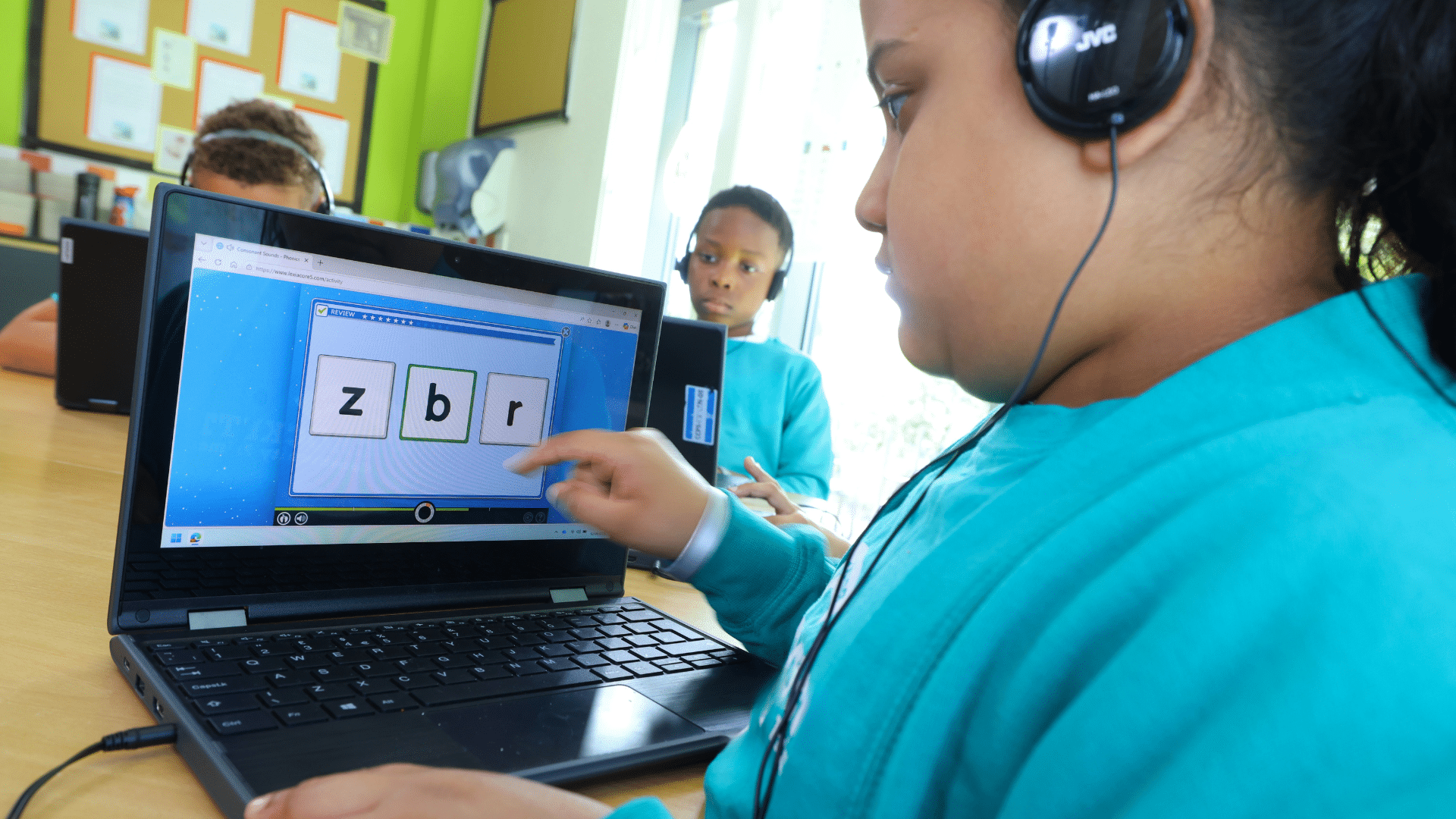
As a new school year begins, it’s the perfect time to revisit the tools within myLexia that can help you establish strong routines, identify pupils’ needs quickly and make the biggest possible impact. When it comes to maximising the impact of Lexia in your school, some of the most powerful tools are the ones that often go unnoticed. Beyond the familiar dashboards and progress reports, myLexia offers a range of hidden features that can transform the way educators track progress, target additional support, and enhance student learning.
In this article, we’ll revisit three valuable myLexia features that you may have overlooked or simply need a refresher on after the summer break. By making the most of these tools, you can gain a clearer picture of student progress, personalise support, and save valuable planning time.
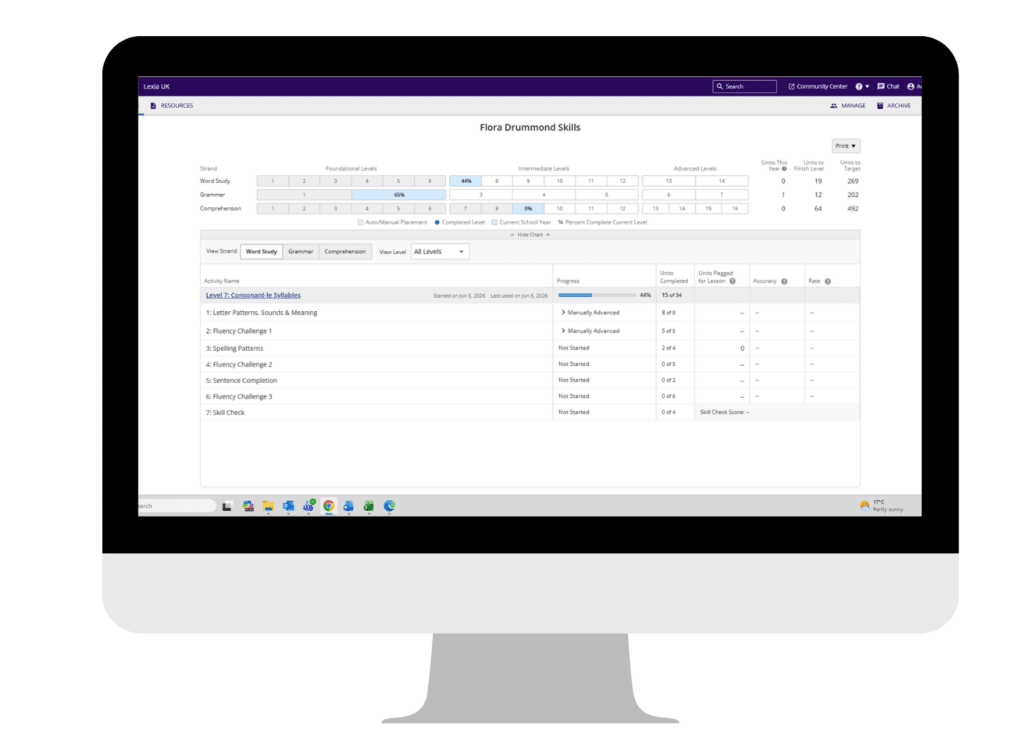
While many are familiar with myLexia’s Class Overview and Class Progress reports, fewer are aware of the level of detail that can be gained from the student reports. The student-level Detailed Skills Report provides an in-depth look into an individual student’s strengths and needs, right down to the specific phoneme, high frequency word, or comprehension question type.
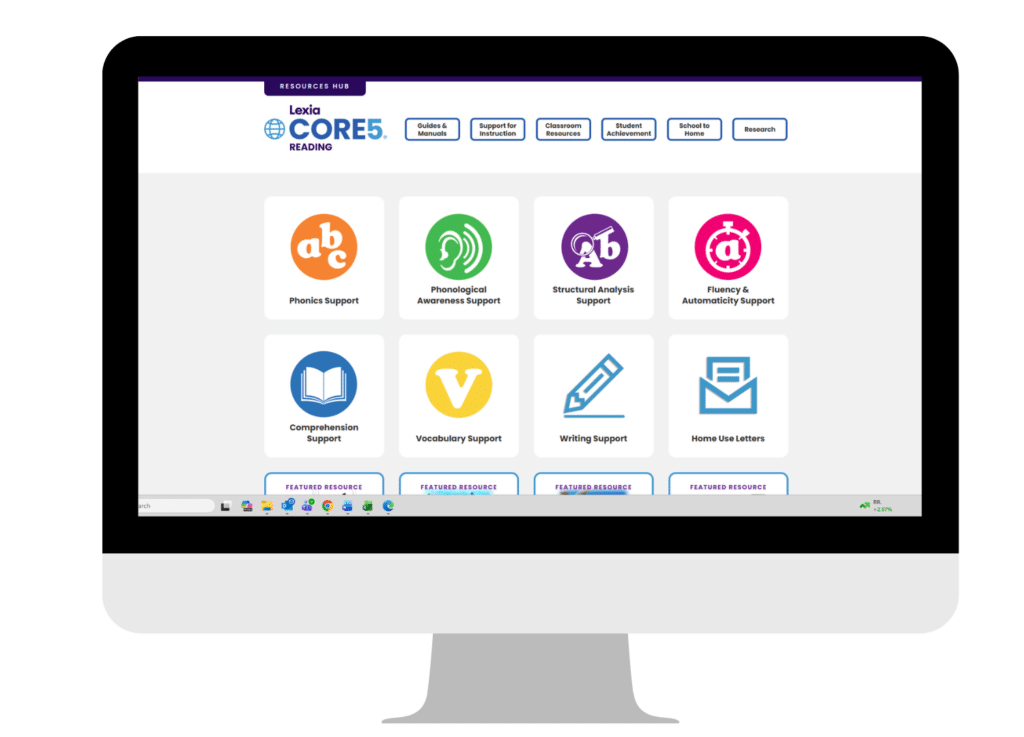
Lexia’s Resource Hub provides a veritable treasure trove of literacy resources, including structured lesson plans and printable activities, designed to reinforce key literacy skills. From comprehension passages and decodable readers to sticker charts and goal setting exercises, these resources can be integrated into classroom teaching, small-group interventions, or sent home as homework.
Many are already aware of the Skill Builders and their ability to provide printed offline practice and consolidation activities to ensure students have fully grasped key literacy skills. However, the introduction of Skills Checks in a recent update means that the delivery of these resources can be even more targeted and effective. Skills Checks serve as quick and subtle assessments at the end of each level to provide added progress and mastery information to the teacher.
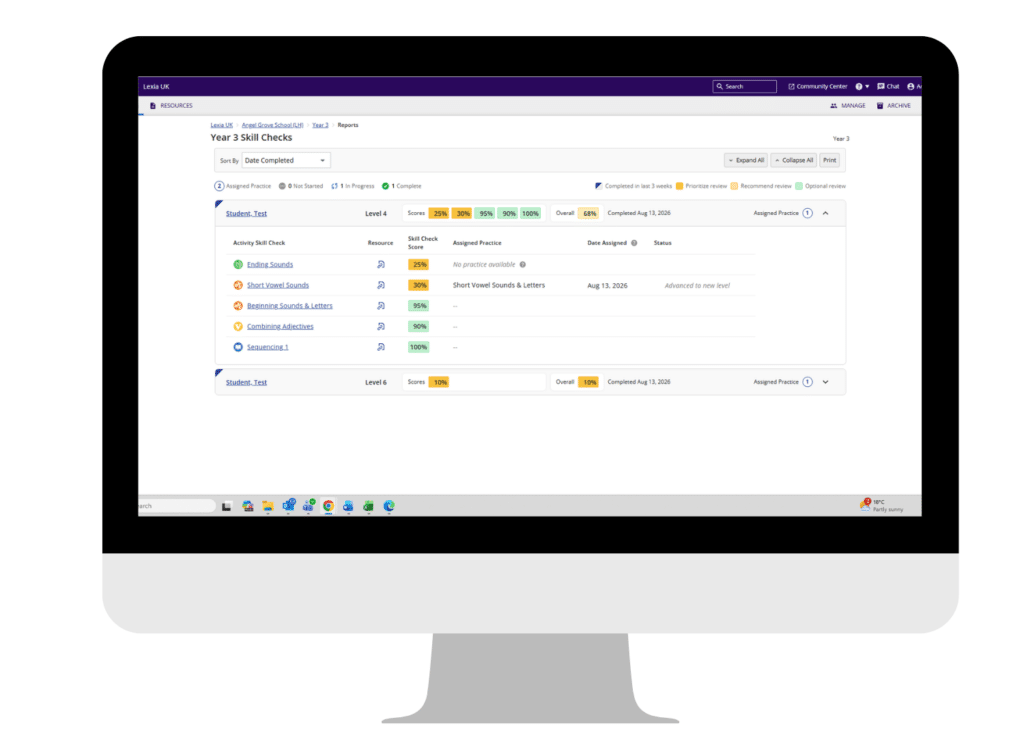
By making the most of these powerful features, you can gain a deeper understanding into student progress and deliver more targeted interventions to boost literacy progress even further. Whether it’s using Detailed Skills Reports to fine-tune interventions, exploring the Resource Hub for ready-made teaching resources, or taking advantage of Skill Checks and Skill Builders to reinforce learning, each tool is designed to help you maximise the impact of Lexia in your school.
Have you seen our Lexia League competition? Click here to find out how to win prizes for pupils.
Backed by independent research and trusted by thousands of educators, our literacy programmes are research-proven.
Find out how we are helping schools to accelerate their literacy progress.
Keep up to date with the latest industry news from LexiaUK.
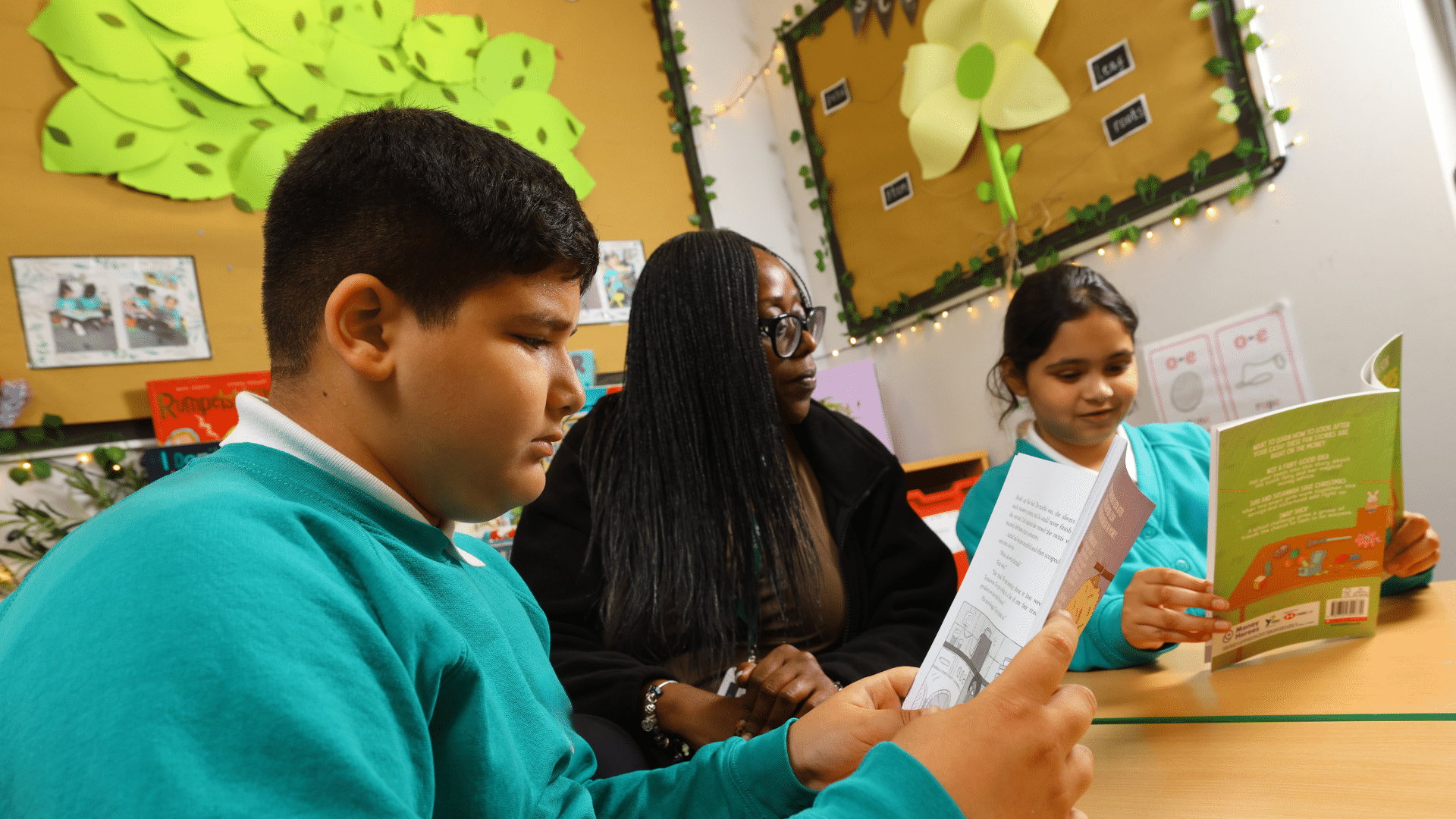
Creating a positive reading culture in school is essential for nurturing students’ love of reading and strengthening their literacy skills. With the National Year of Reading 2026 placing a renewed focus on improving reading engagement across the UK, schools have a timely opportunity to reflect on and strengthen the everyday practices that inspire lifelong readers.
Here are four practical ways to build that culture in your school.
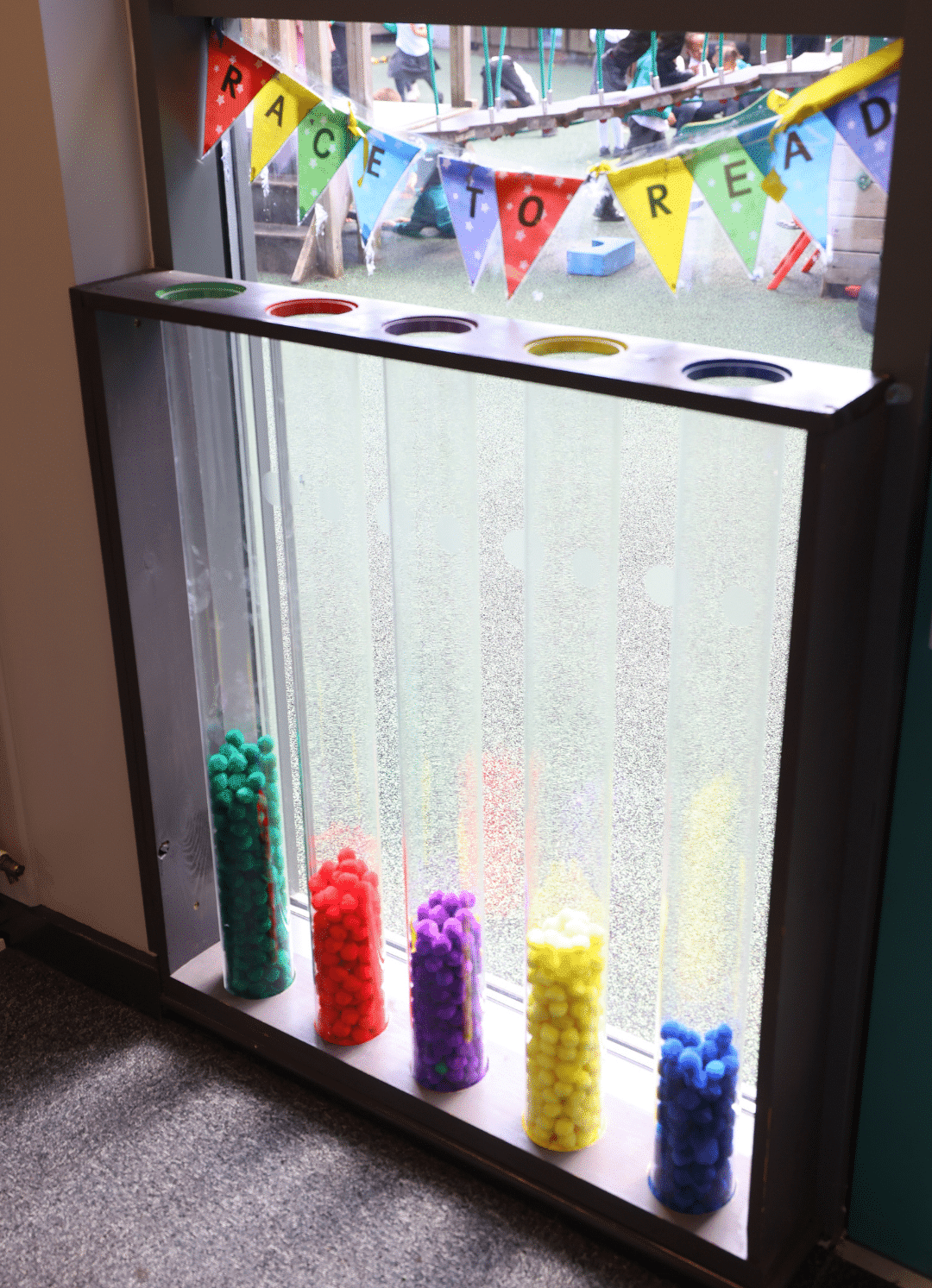
The physical environment plays a powerful role in shaping attitudes towards reading.

A literacy-rich school environment can foster a love for reading and language development. Consider the following practices:
Consistent exposure to reading is key to developing fluency, confidence and enjoyment. Try the following strategies:
Building a sense of reading community and collaboration enhances the reading environment. Consider the following approaches:
As the National Year of Reading 2026 highlights the importance of improving reading engagement nationwide, schools are uniquely placed to lead this change from the classroom upwards.
A positive reading culture is built through consistent routines, engaging environments and meaningful opportunities to connect with books. By focusing on these areas, schools can create a culture where reading is not just a skill to develop, but an experience to enjoy and share.
Lexia Core5 Reading and Lexia PowerUp Literacy offer interactive and personalised learning experiences to support students’ reading development so that tehy can better engage with books. If you need any further support introducing new pupils to the Lexia program, make sure to contact our team on 0191 482 1939 or by filling in the from below:
"*" indicates required fields
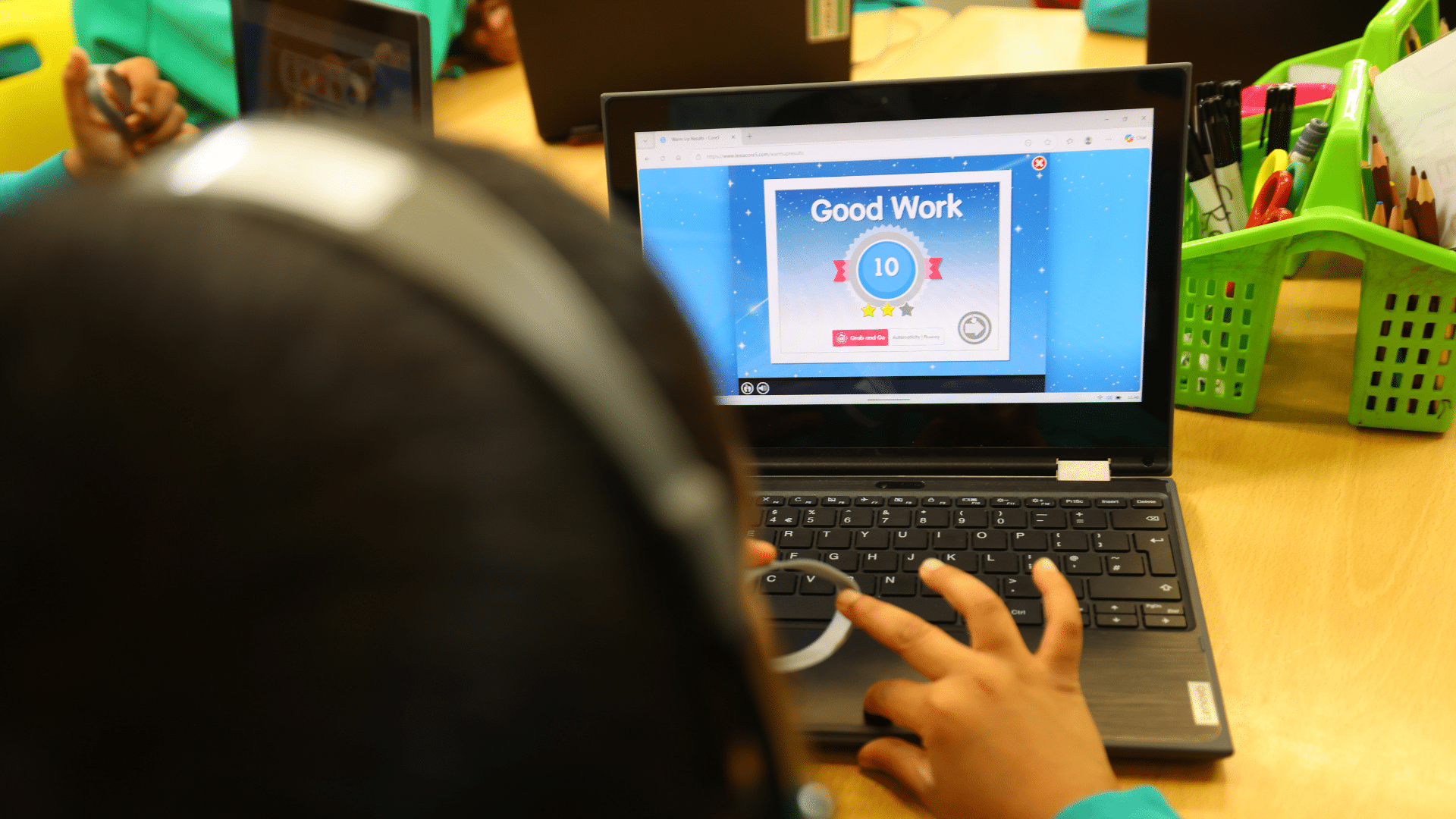
The start of a new term is a valuable opportunity to reset expectations, re-establish reading routines and gain insight into pupils’ attitudes and abilities as readers.
Strong classroom teaching is even more effective when combined with structured routines, collaborative activities and opportunities for independent practice. Try some of the ideas below to help build routines, confidence and a positive reading culture form the very start of term.
Ask pupils to create a simple “reading identity” mind map including:
This activity works particularly well at the start of term as both a discussion starter and to use as a classroom display. It helps teachers quickly understand pupils’ reading habits, interests and confidence levels, while also giving pupils space to reflect on themselves as readers.
Begin each day or lesson with a short, consistent silent reading window. At the start of term, it is important to explicitly teach and model the routine:
Consistency is key. A short, structured daily routine helps build reading stamina and sets clear expectations early on. You can also combine this routine with structured literacy programmes such as Lexia to give pupils regular opportunities to practise reading skills independently.
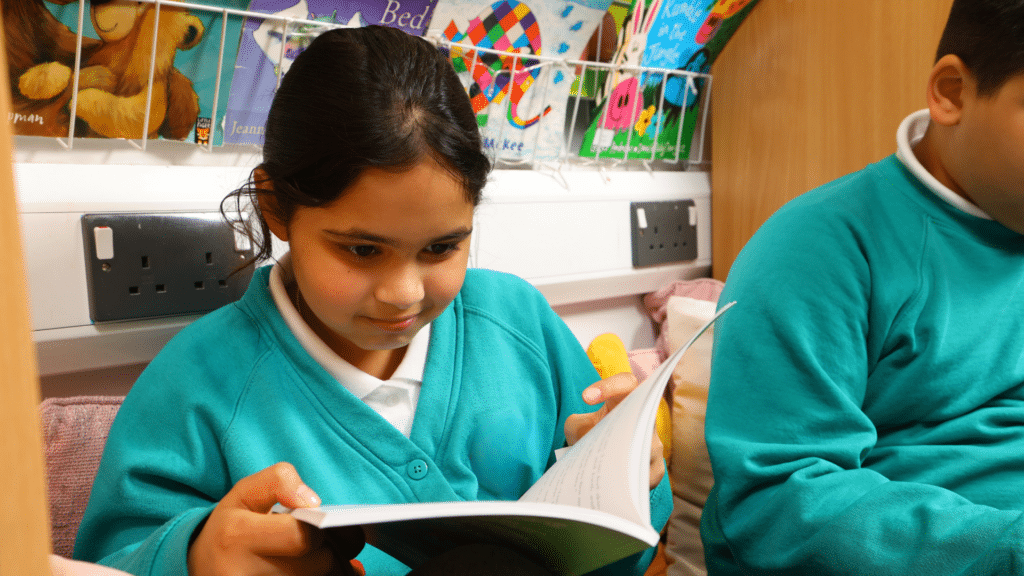
Create a bingo-styled grid with prompts such as :
Pupils move around the room to find peers who match each statement. This simple activity helps break the ice at the start of term while encouraging purposeful talk about reading. It also gives staff informal insight into pupils’ reading experiences and preferences in a low-pressure way.
Introduce a weekly word linked to curriculum themes, school values or current topics.
Encourage pupils to explore its meaning, word type and synonyms before using it in both spoken and written contexts throughout the week.
As they become more familiar with the word, invite them to add examples of it being used to a classroom display.
Over time, this creates a visible and evolving vocabulary bank that pupils can refer back to throughout the year. It also helps establish clear expectations around ambitious language use while building confidence with new and increasingly sophisticated vocabulary across the curriculum.

When introducing guided reading or literacy tasks, assign clear, rotating roles such as:
These roles help structure discussion and ensure that all pupils have a clear responsibility within group work. This reduces transition time, supports participation, and helps embed consistent expectations for collaborative learning in literacy lessons.
Alongside classroom teaching, many schools provide regular opportunities for pupils to practise core reading skills independently.
This is often supported through adaptive, skills-based approaches that identify individual strengths and areas for development in reading. Programmes such as Lexia® Core5® Reading (primary) and Lexia® PowerUp Literacy (secondary) are designed around this principle, offering pupils personalised activities that focus on key elements of literacy such as phonics, vocabulary, fluency and comprehension.
When used consistently as part of a broader literacy offer, this type of structured practice can:
The above activities help establish positive habits early on, while also creating space for pupils to talk about reading, build confidence and develop independence.
When classroom routines are supported by structured, targeted practice, schools can meet a wider range of literacy needs. This helps every learner make meaningful progress from the first day of term.
If you are not yet using Lexia and you are exploring ways to strengthen your school’s approach to literacy this year, why not start a free, fully supported, 30-day trial of Lexia Core5 Reading or PowerUp Literacy?
Complete the form below to get started.
"*" indicates required fields

The team at Lexia® are dedicated to continuously evolving our literacy programmes to meet the needs of today’s educators and learners. This year’s enhancements are designed to deliver even more effective, engaging, and accessible learning experiences.
Core5 is an adaptive literacy program that accelerates the development of literacy skills for all students from Reception to Year 6, helping them build skills in both word recognition and comprehension to support reading success.
Grounded in the science of reading, Lexia® Assignments are automatically delivered, targeted practice experiences within Lexia® Core5® Reading. They provide an additional learning path with systematic, supportive practice for reinforcing skills that need more development.
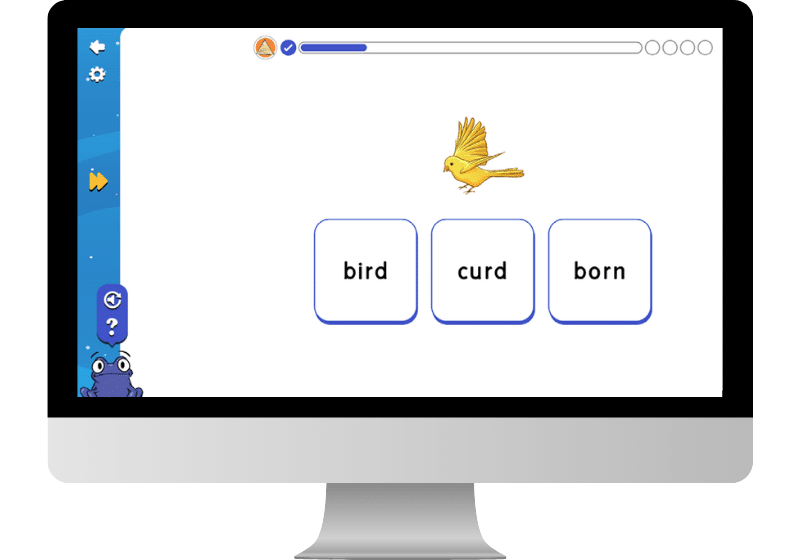
Lexia Assignments offer diverse interaction types, including letter and word sorts, word completion, word construction and sentence completion. Students now experience new, varied content, not a repetition of prior activities or offline materials. This creates an additional “dose” of practice that:
Smart, Automatic Reinforcement: Built into the Learning Experience
Each Lexia Assignment follows a systematic, instructional sequence that includes:
Educator Visibility into Students Needs
Educators can view Assignments in myLexia through the new Class Skills Check Report, where they appear under Assigned Practice. This report allows educators to view student progress towards proficiency and see which students have been assigned additional practice.
With this insight, educators can:
Enhanced explicit instruction has been added across 79 phonics units in years 1-3. Leveraging Core5’s robust teaching, this enhancement intentionally brings clear and direct instruction to the front of the student experience, ensure learners receive explicit modelling prior to independent practice.
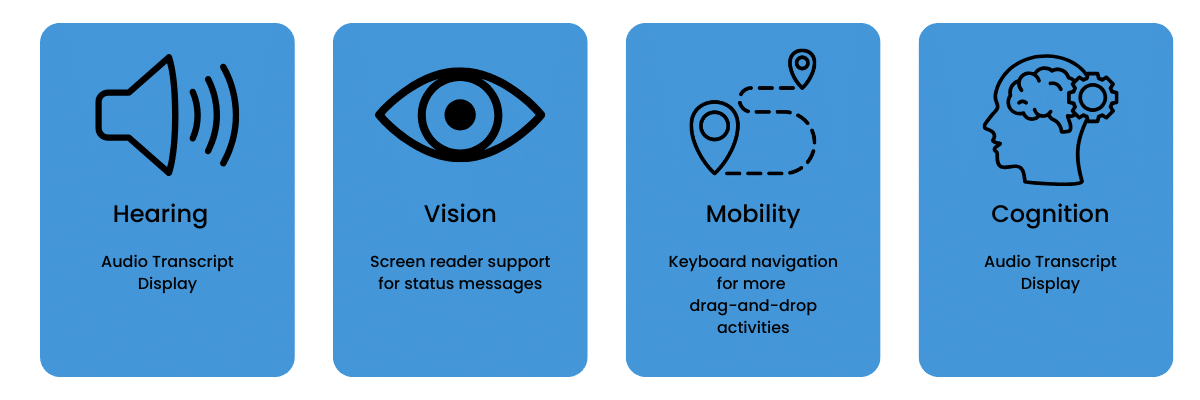
Lexia learning experiences so that every learner can engage with confidence.
myLexia is a platform and reporting tool designed to support educators using Lexia’s language and literacy programs (Core5 and PowerUp). The platform provides real-time access to detailed student performance data, allowing teachers to monitor individual and classroom progress efficiently while equipping school leaders to monitor school-level usage and progress.
Improved Access to Student Data
New Monthly Exports are available for PowerUp as well as Core5 that deliver month-on-month progress data, so you can monitor performance trends with greater ease and consistency. The PowerUp Monthly Export is available from the PowerUp School overviews.
Retake Placement Without Data Loss
Released in February 2026 – Educators now have the option to set students to Retake Core5 Auto Placement without losing current progress data.
Backed by independent research and trusted by thousands of educators, our literacy programmes are research-proven.
Find out how we are helping schools to accelerate their literacy progress.
Keep up to date with the latest industry news from LexiaUK.
This time the Literacy Spotlight falls on Lift Greenwood Academy, Birmingham. Library Manager Laura Rickards tells us of her school’s literacy issues, and how Lexia addressed them and got her students GCSE-ready.
Laura: Here at Lift Greenwood Academy, we’re based in an inner-city housing estate in Birmingham. We have a high percentage of disadvantaged students which currently sits at 66%; we also have a large SEND cohort that is around 26%. This includes ECHP’s and all together is a rather large cohort.
Laura: We’ve actually had Lexia for a number of years, but this last year we’ve decided to take a different approach as to how we implement the program. Now it seems a lot more positive, and we’re running it from Year 7 all the way to Year 10. It’s working exceptionally well with different groups too.
Laura: I really enjoy teaching with Lexia, and the students enjoy following along. The programme guides the students from module to module, and as a teacher you can jump in to help wherever you need to. You can also pull any student data very easily, which is good as it shows you a snapshot of their progress, as well as any area where an individual child needs to work on.
Laura: At our school any Lexia intervention begins with an NGRT test. This identifies individual students that require extra support to fill any literacy gaps. We run the intervention as timetabled lessons between Years 7 and 10, either with myself or my colleague, Miss Jeffs.
Laura: At Lift Greenwood we have fully timetabled sessions of Lexia. If any students don’t hit their targets, then Lexia becomes homework, which actually goes down quite well! This also happens in the case of where students only have one session per week, they get those minutes sent home and then they are rewarded when these are done.
Putting the time in for Lexia is so important as the school has put huge emphasis on literacy over the new few years. We have the backing of everyone as Lift Schools as well as the headteacher and the SLT. Leadership are very happy with us to go forward and use as much time as we need to make sure our students are getting the best out of their education.
Home use is very important to our implementation of Lexia. We’ve had very few problems with sending the programme home, with odd bumps in the road at the beginning, but the students do exceptionally well with it. If they have any issues they’re very confident in coming to us and saying “This isn’t working” or “Could you give me some guidance?”
Laura: Overall, it’s been very positive with a lot of our students making good progress. I’ve seen myself that it really makes a difference to the student’s confidence too, especially in instances where we’ve had students who started off with an exceptionally low reading ability. We then see that through Lexia and support from our staff, they’re beaming with confidence. They go from not wanting to read aloud, not understanding comprehension and problems with their grammar to fully self-confident.
Laura: There’s one student that always sticks around, and he went from a ST-3 to an ST-7. From this they finished Lexia, surpassed all out expectations and it was absolutely amazing to see!
They’ve been able to take all of this into their lessons. They can read their exam questions with ease where they were once struggling. This is ultimately what this is all about; preparing students for their exams. Unfortunately, some students will struggle to read their exam papers and not understand the questions, so Lexia prepares them by reinforcing their comprehension. Its really aided them with that.
Laura: We have a few ways we reward engaged students. The Lexia Reward Cards are printed and stamped with progress, and once this is complete they can go and get a book from the new book vending machine we recently purchased. This sits in the middle of the canteen so everyone can see it. A full reward card gets you a lovely new book!
We also have a treat box in the library that has pretty pens, fidget toys and chocolate. These always go down exceptionally well with our students.
Laura: So useful! Everything is available at the click of a button. You can ascertain whether a student is struggling with comprehension, grammar or whether they just require more general support. You can break this down into small manageable chunks and it gives both the teacher and student greater understanding.
Laura: I would say pay attention to organisation and timetabling. It’s wonderful to get established right from the beginning how much time you have for Lexia, and a clear time frame of when you can implement the programme throughout the week. We also found that a strong reward system was really beneficial to our students, so I’d recommend that for any other school thinking of picking up Lexia.
Laura: Our students have found it so easy to use. That’s massive, as some students I think would have found things like this daunting. But once you’ve shown them how easy it is, and what to do in each part, then they’ve been using it with ease.
I can also see that they enjoy it. The rewards, the competitive element that they can have with their friends. That massively helps with them gaining the amount of units that they do.
Laura: I’m really impressed by the way as a school we’ve implemented this over the year. It just seems to be running much smoother this academic year, which is fantastic. Now the flow is a lot better, and with the renewed support of our leadership team, its been fantastic what we’ve been able to do this time around.
Laura: Impressive, helpful and dynamic.
Backed by independent research and trusted by thousands of educators, our literacy programmes are research-proven.
Find out how we are helping schools to accelerate their literacy progress.
Keep up to date with the latest industry news from LexiaUK.

Last half term, we put the call out for nominations for our 2026 Lexia Awards and we were overwhelmed by the response! Thank you to everyone who took the time to nominate and share the inspiring stories happening in your schools.
We’re delighted to share the 2026 Lexia Award winners, recognising outstanding achievement across learners, educators and schools who have demonstrated what consistent, evidence-based literacy support can achieve.
Kaylah’s teacher told us: “She started Lexia in September and has moved through the program at a speed which means she is now functioning at a year group above her actual age – she is now at Y5 L18.
Her progress in reading this year has been truly exceptional. Through consistent dedication both at school and at home, she has not only met but significantly exceeded her expected year-group attainment. She demonstrates a genuine love of reading, approaching books with enthusiasm and curiosity, and regularly “devours” a wide range of texts across genres. Since September, she has read over one million words! A remarkable achievement that reflects her commitment, perseverance and passion for learning.
Her enthusiasm for reading is infectious; she eagerly shares recommendations, discusses authors and themes with confidence, and encourages her peers to challenge themselves. She is a positive role model within the classroom, demonstrating independence, resilience, and a deep appreciation for literature. Her dedication and love of reading make her an aspirational example to others, and she is thoroughly deserving of recognition for her outstanding achievement and commitment to reading.”
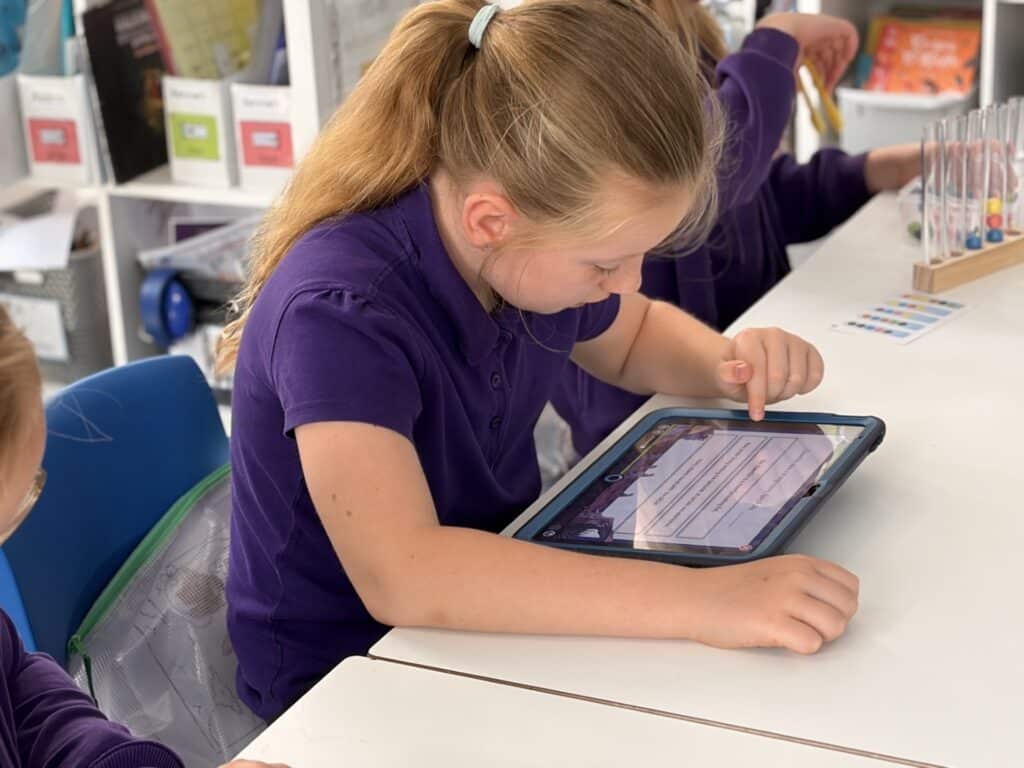
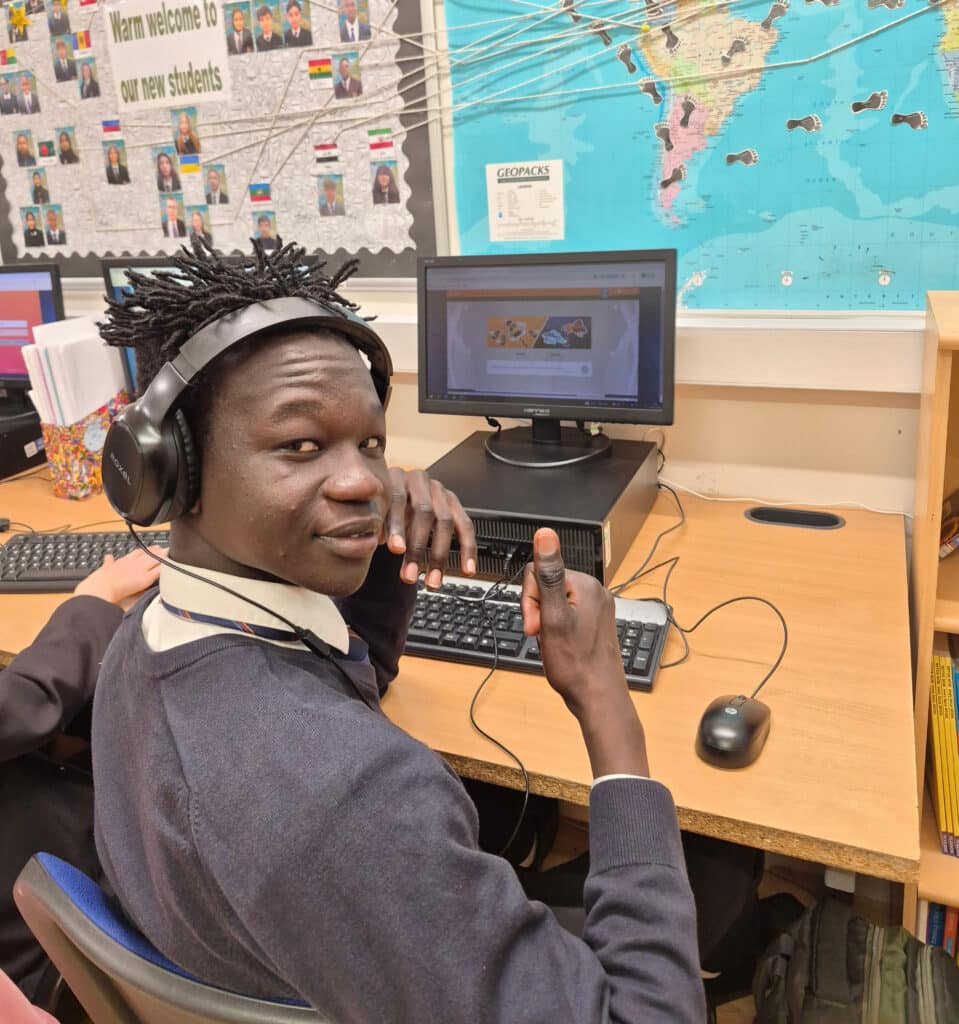
Talal’s teacher told us: “Talal joined the school as a new arrival from South Sudan. At the point of entry, he had no prior knowledge of English and was starting to acquire the language from scratch, as he was only able to communicate in Arabic on arrival.
Since starting Lexia, Talal has made strong and sustained progress. To date, he has completed a total of 45 hours and 33 minutes of supervised and independent practice and successfully finished 565 learning units. He is currently working at Level 9, demonstrating increasing confidence and competence in phonics, vocabulary, and reading comprehension skills. This level of engagement and progression reflects consistent effort and steady development in his early English literacy.
Talal stands out for his strong commitment and resilience, demonstrating consistent engagement and steady progress despite starting with no prior knowledge of English. He now demonstrates sufficient confidence and language proficiency to support other Arabic-speaking learners with limited English and is keen to take on this supportive role.”
Pearse’s teacher told us: “At the outset, Pearse found Lexia very challenging and did not enjoy using the programme. He often became upset and frustrated when he made mistakes and struggled with the expectation that adults could not simply provide him with answers.
Pearse began Lexia in September 2024, placing at Level 8, indicating significant gaps in early reading and language skills. At this stage, Pearse required frequent encouragement, repetition and adult support to engage with literacy tasks and often found learning challenging.
What makes Pearse stand out is the way he has persevered through these difficulties. With consistent support and encouragement, he learned to manage frustration, accept feedback and persist with tasks even when they felt difficult. Motivation through the Lexia success features, such as certificates and visible progress, played a key role in helping Pearse to develop confidence and a sense of achievement.
Over time, Pearse’s attitude towards Lexia has transformed. He now actively seeks out Lexia sessions, engages positively with tasks and demonstrates significantly increased independence. Most notably, he has chosen to continue his learning by completing Lexia tasks at home, reflecting a genuine shift in motivation and self‑belief.
Given his additional needs, this level of perseverance, independence and commitment is particularly significant. Pearse’s journey with Lexia is a clear example of resilience – overcoming learning barriers to make meaningful and sustained progress.”
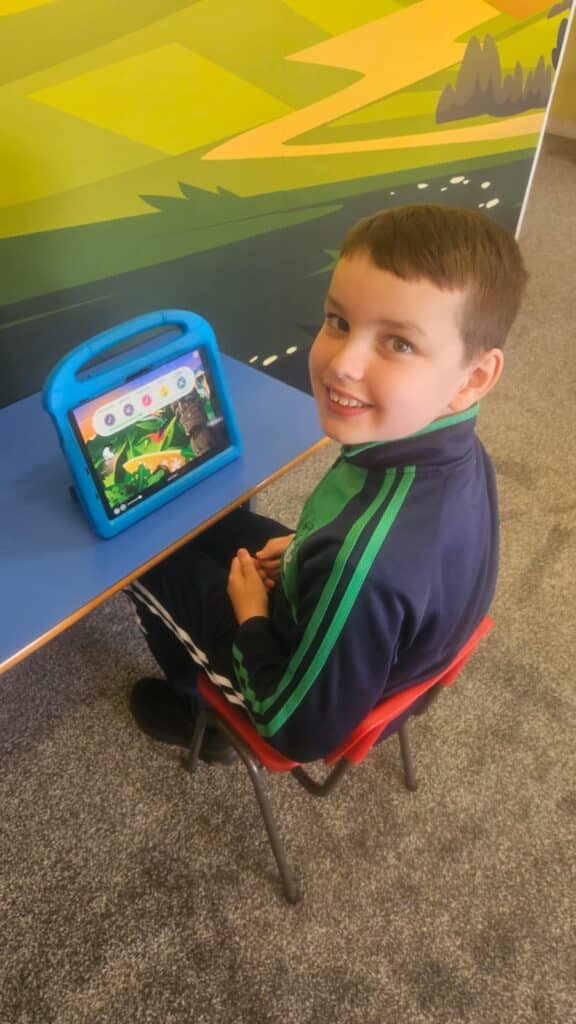
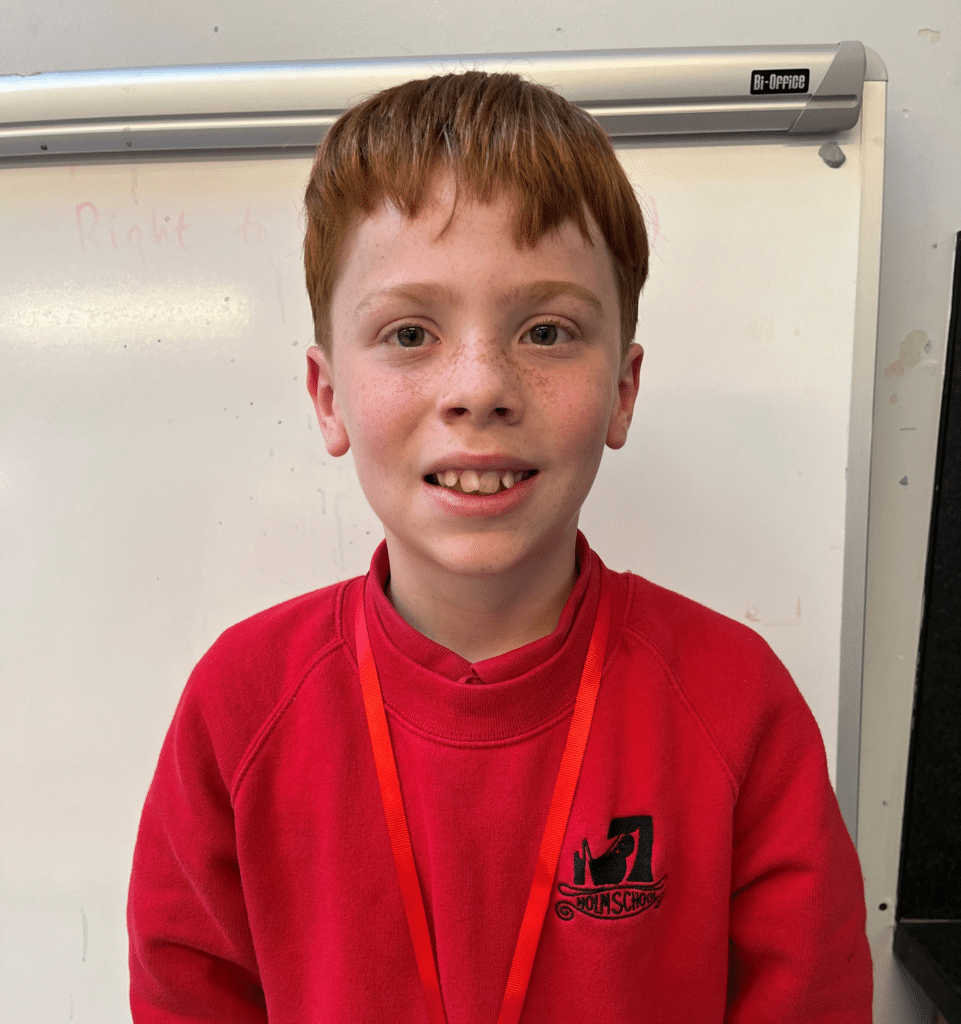
Thomas’ teacher told us: “Thomas has dyslexia and DLD so has significant barriers to his learning. He is making great progress meeting his usage targets every week and going over and above to improve in his learning. His hard work and perseverance in Lexia has allowed him to make progress across all aspects of learning. We are extremely proud of Thomas’ effort and determination.
Thomas’ dedication to Lexia and the extra over and above effort he puts in makes him a prime candidate for an award. This award shows everyone in our setting that effort, determination and hard work will make a difference and is rewarded, not just academic success!”
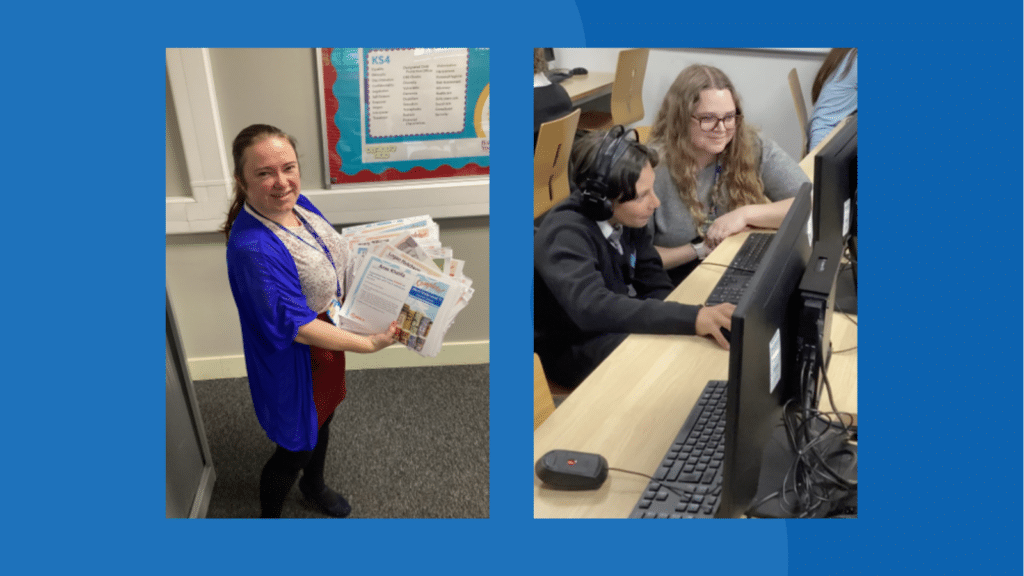
Bishop Young’s Leader of Teaching and Learning told us: “Both Katie and Louise are History teachers by trade. They started teaching Lexia this academic year and have really bought into our rationale for teaching Lexia. They are absolutely committed to breaking down the barriers low reading ages and literacy can create.
The progress of the students in their classes is phenomenal. We have already had two students complete Lexia. Their Lexia room is covered wall to wall in the students’ progress certificates and the student love showing visitors their names on the wall. This makes me so proud to see.
They create a brilliant climate for learning and build such a rapport with students. Their belief in how Lexia can help students progress is unshakable and is clear in all that they do.”
Stoke Damerel’s Head Teacher told us: “Around 40% of our school enter with literacy levels well below national average. We serve one of the poorest boroughs in the Country. Approximately 45% of our pupils come from disadvantaged backgrounds. We have high rates of Children in Care and SEND. Our students typically struggle with grammar and comprehension of text, hence why we researched into Lexia. This all impacts students’ ability to read and write and ultimately their outcomes. We wanted to meet this head on and have used Lexia to address gaps in foundational skills and knowledge.
Starting with 6 extraction groups across Key Stage 3, we quickly identified the excellent progress being made. We have now rolled out Lexia to the whole of Year 7. Every morning, students begin the day with 20 minutes of dedicated Lexia support. As well as this, we have a dedicated team of 15 tutors and LSAs who carry out the ‘needs instruction’ sessions to close any emerging gaps. On a daily basis, we are prioritising Literacy and using Lexia to address barriers and close gaps. We celebrate with the students through the certification and support them through this program.
Our intervention groups have made fantastic progress already with nearly 25% moving from Foundational to Intermediate. Our Year 7 cohort are also making significant progress rapidly.
Students report that the program is “helping them read” whilst developing their understanding of the importance of literacy. Attendance rates are more promising compared to last year in every subgroup of children.
In our recent Ofsted inspection, inspectors commended the work and the program with literacy a clear priority within the school.
We feel incredibly proud of how well the children have taken to Lexia and the progress they are already making.”
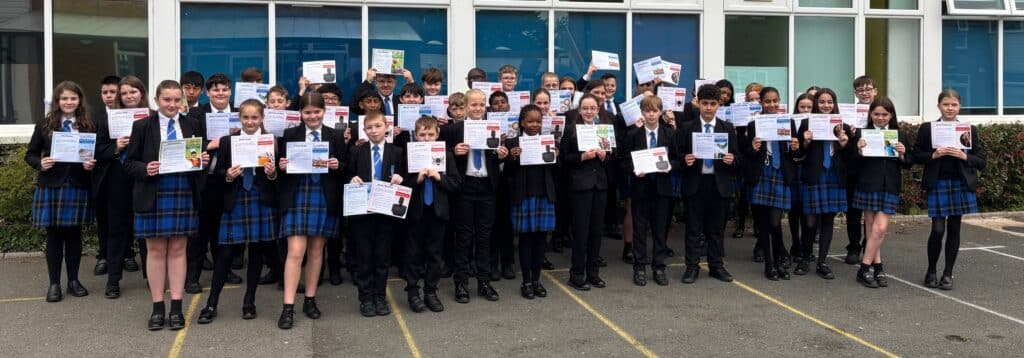
Thank you once again to everyone who submitted a nomination. While your school may not have been selected this time, we are always inspired by the incredible stories shared about the impact Lexia is having in schools across the country.
If you would like to share your school’s story, you can nominate your school for our monthly School Spotlight feature using the form below.