

The start of a new term is a valuable opportunity to reset expectations, re-establish reading routines and gain insight into pupils’ attitudes and abilities as readers.
Strong classroom teaching is even more effective when combined with structured routines, collaborative activities and opportunities for independent practice. Try some of the ideas below to help build routines, confidence and a positive reading culture form the very start of term.
1. Reading Identity Maps
Ask pupils to create a simple “reading identity” mind map including:
- Their favourite books or genres
- Where and when they like to read
- Someone who inspires them to read
- The last book they enjoyed reading
- A book they’re reading now (or would like to read next)
- One reading goal for the year
This activity works particularly well at the start of term as both a discussion starter and to use as a classroom display. It helps teachers quickly understand pupils’ reading habits, interests and confidence levels, while also giving pupils space to reflect on themselves as readers.
2. 10-Minute Reading Time + Routine Reset
Begin each day or lesson with a short, consistent silent reading window. At the start of term, it is important to explicitly teach and model the routine:
- How to choose a “just right” book
- What independent reading looks like in practice
- How to record reading progress (e.g. simple logs, bookmarks or journals)
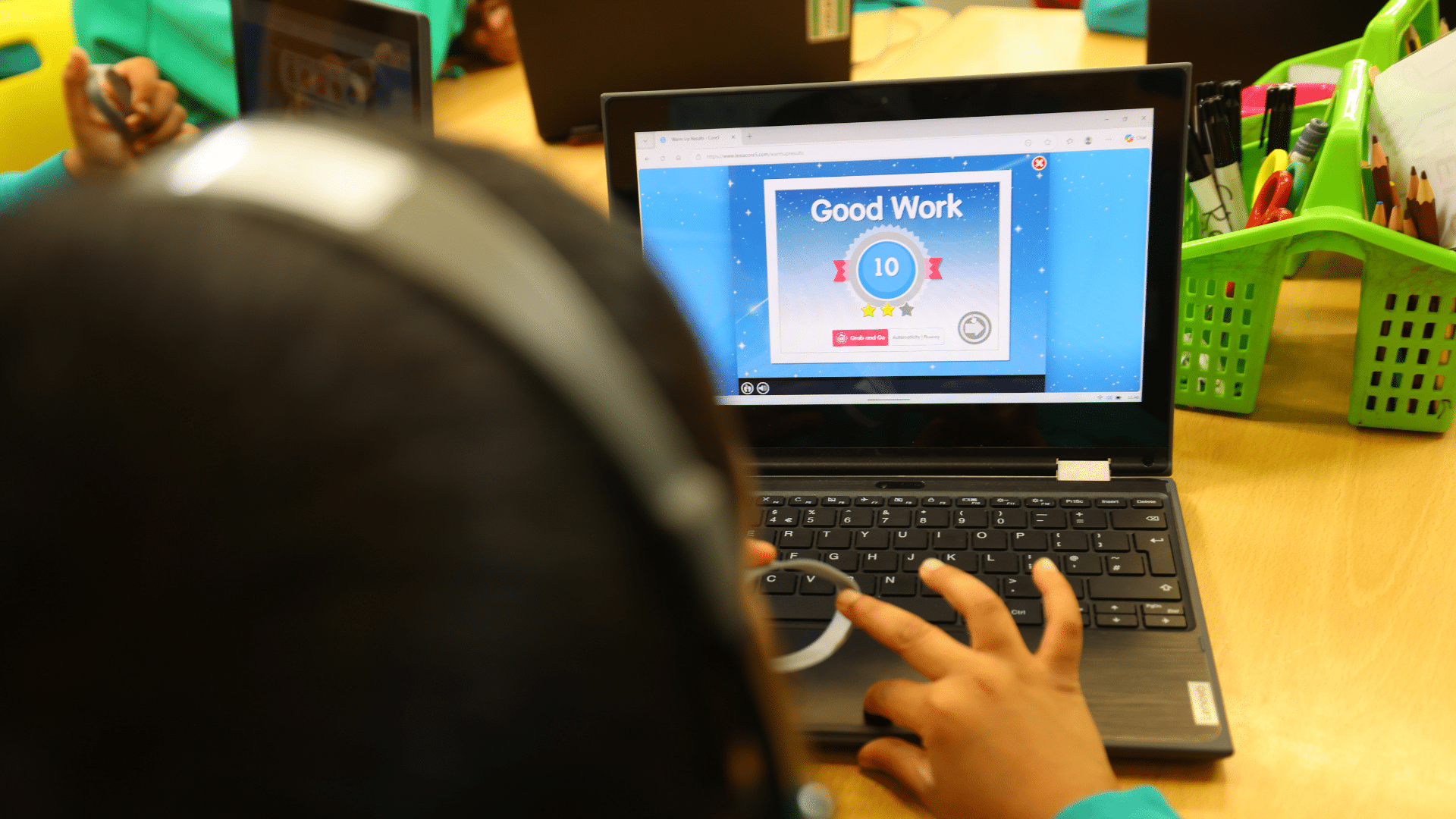
Consistency is key. A short, structured daily routine helps build reading stamina and sets clear expectations early on. You can also combine this routine with structured literacy programmes such as Lexia to give pupils regular opportunities to practise reading skills independently.
3. “Find Someone Who…” Literacy Bingo
Create a bingo-styled grid with prompts such as :
- Has read a book set in another country
- Prefers fiction over non-fiction
- Has read a book that was made into a film
- Likes reading before bed
Pupils move around the room to find peers who match each statement. This simple activity helps break the ice at the start of term while encouraging purposeful talk about reading. It also gives staff informal insight into pupils’ reading experiences and preferences in a low-pressure way.
4. Word of the Week Wall
Introduce a weekly word linked to curriculum themes, school values or current topics.
Encourage pupils to explore its meaning, word type and synonyms before using it in both spoken and written contexts throughout the week.
As they become more familiar with the word, invite them to add examples of it being used to a classroom display.
Over time, this creates a visible and evolving vocabulary bank that pupils can refer back to throughout the year. It also helps establish clear expectations around ambitious language use while building confidence with new and increasingly sophisticated vocabulary across the curriculum.

5. Reading Role Cards for Group Work
When introducing guided reading or literacy tasks, assign clear, rotating roles such as:
- Summariser
- Questioner
- Connector (linking ideas to prior knowledge)
- Word detective
These roles help structure discussion and ensure that all pupils have a clear responsibility within group work. This reduces transition time, supports participation, and helps embed consistent expectations for collaborative learning in literacy lessons.
6. Structured Literacy Skills Practice
Alongside classroom teaching, many schools provide regular opportunities for pupils to practise core reading skills independently.
This is often supported through adaptive, skills-based approaches that identify individual strengths and areas for development in reading. Programmes such as Lexia® Core5® Reading (primary) and Lexia® PowerUp Literacy (secondary) are designed around this principle, offering pupils personalised activities that focus on key elements of literacy such as phonics, vocabulary, fluency and comprehension.
When used consistently as part of a broader literacy offer, this type of structured practice can:
- Help teachers better understand specific learning needs
- Provide pupils with regular, focused skill practice at their own level
- Reinforce classroom teaching through targeted reinforcement
- Support progression without adding significant additional planning demands
Try Lexia in your school context with a fully supported free trial
The above activities help establish positive habits early on, while also creating space for pupils to talk about reading, build confidence and develop independence.
When classroom routines are supported by structured, targeted practice, schools can meet a wider range of literacy needs. This helps every learner make meaningful progress from the first day of term.
If you are not yet using Lexia and you are exploring ways to strengthen your school’s approach to literacy this year, why not start a free, fully supported, 30-day trial of Lexia Core5 Reading or PowerUp Literacy?
Complete the form below to get started.
Request a Free Trial of Lexia
"*" indicates required fields