

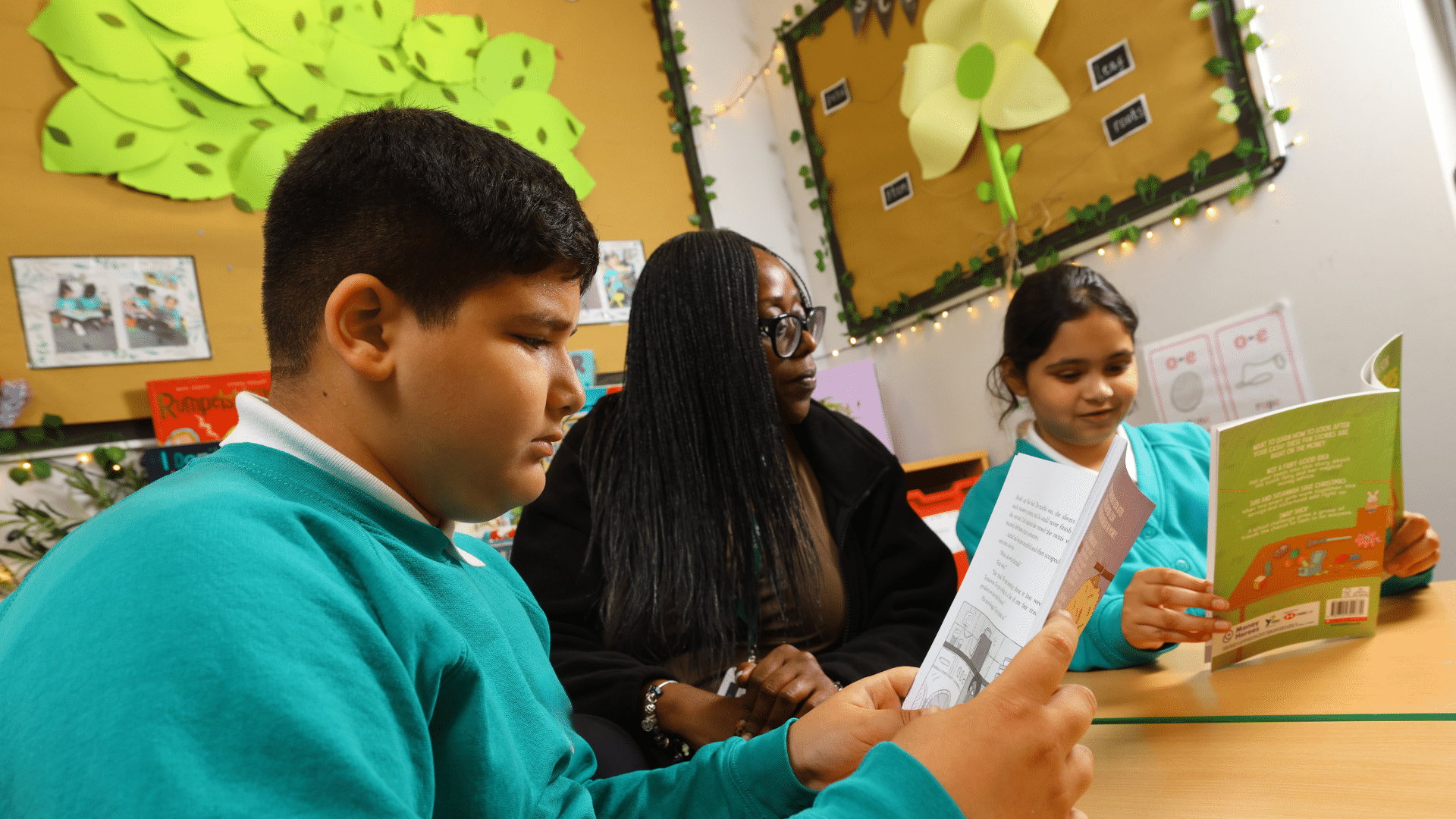
Creating a positive reading culture in school is essential for nurturing students’ love of reading and strengthening their literacy skills. With the National Year of Reading 2026 placing a renewed focus on improving reading engagement across the UK, schools have a timely opportunity to reflect on and strengthen the everyday practices that inspire lifelong readers.
Here are four practical ways to build that culture in your school.
Cultivating a Reading-Friendly Atmosphere
The physical environment plays a powerful role in shaping attitudes towards reading.
- Design cosy reading spaces: Set up a dedicated space with comofriable seating, cushions and soft lighting. Inviting spaces like these will encourage pupils to settle with a book.
- Display a variety of books: Fill your classrooms and library with diverse reading materials, including fiction, non-fiction, and different genres. Offer books that cater to students’ interests and reading levels.
- Rotate and refresh the collection: Regularly update your school and classrooms libraries with new and engaging books to keep students excited about exploring different titles.

Building a Literacy-Rich Environment
A literacy-rich school environment can foster a love for reading and language development. Consider the following practices:
- Create word walls: Display frequently used vocabulary, sight words and key terms on word walls. Encourage pupils to suggest imaginative words that they encounter in books to be displayed. This visual reference supports students’ reading and writing skills and can get them in the habit of using the classroom environment to support them using a wider vocabulary.
- Incorporate literacy into displays: Showcase student work related to literature, such as book reviews, creative writing pieces or book recommendations. This celebrates students’ achievements and encourages reading discussions.
- Integrate technology: Utilise programs like Lexia Core5 Reading and Lexia PowerUp Literacy to provide interactive and personalised reading experiences. Providing targeted, technology-based ways for pupils to access literacy skills supports their reading development to ensure they have the reading skills required to engage with books in the classroom.
Prioritise Daily Reading Engagement
Consistent exposure to reading is key to developing fluency, confidence and enjoyment. Try the following strategies:
- Set aside dedicated reading time: Designate specific periods during the day for independent reading. This uninterrupted time allows students to explore books of their choice and develop a reading habit. If you have pupils that struggle to access books independently, utilise this time for accessible reading activities such as Lexia so they can practice reading skills at their own level and pace.
- Share book recommendations: As a teacher or school leader, you play an important role in modelling the excitement books can bring! Introduce students to a wide range of books by recommending titles, reading excerpts or holding book talks during assembly or in the classroom. This helps students discover new authors and genres.
- Conduct read-aloud sessions: Read aloud to your students regularly, immersing them in the magic of storytelling and exposing them to various literacy styles and voices. By reading aloud, you are modelling fluent reading which pupils can apply to their own reading practice.
Promoting Reading Community and Collaboration
Building a sense of reading community and collaboration enhances the reading environment. Consider the following approaches:
- Organise book clubs: Create opportunities for students to engage in meaningful discussions about books. These small group discussions foster a sense of community and collaboration among students, enhancing their comprehension and analytical skills while also giving them the opportunities to share their opinions. Engaging in these free discussions empower pupils to explore different perspectives and foster a deeper appreciation for reading.
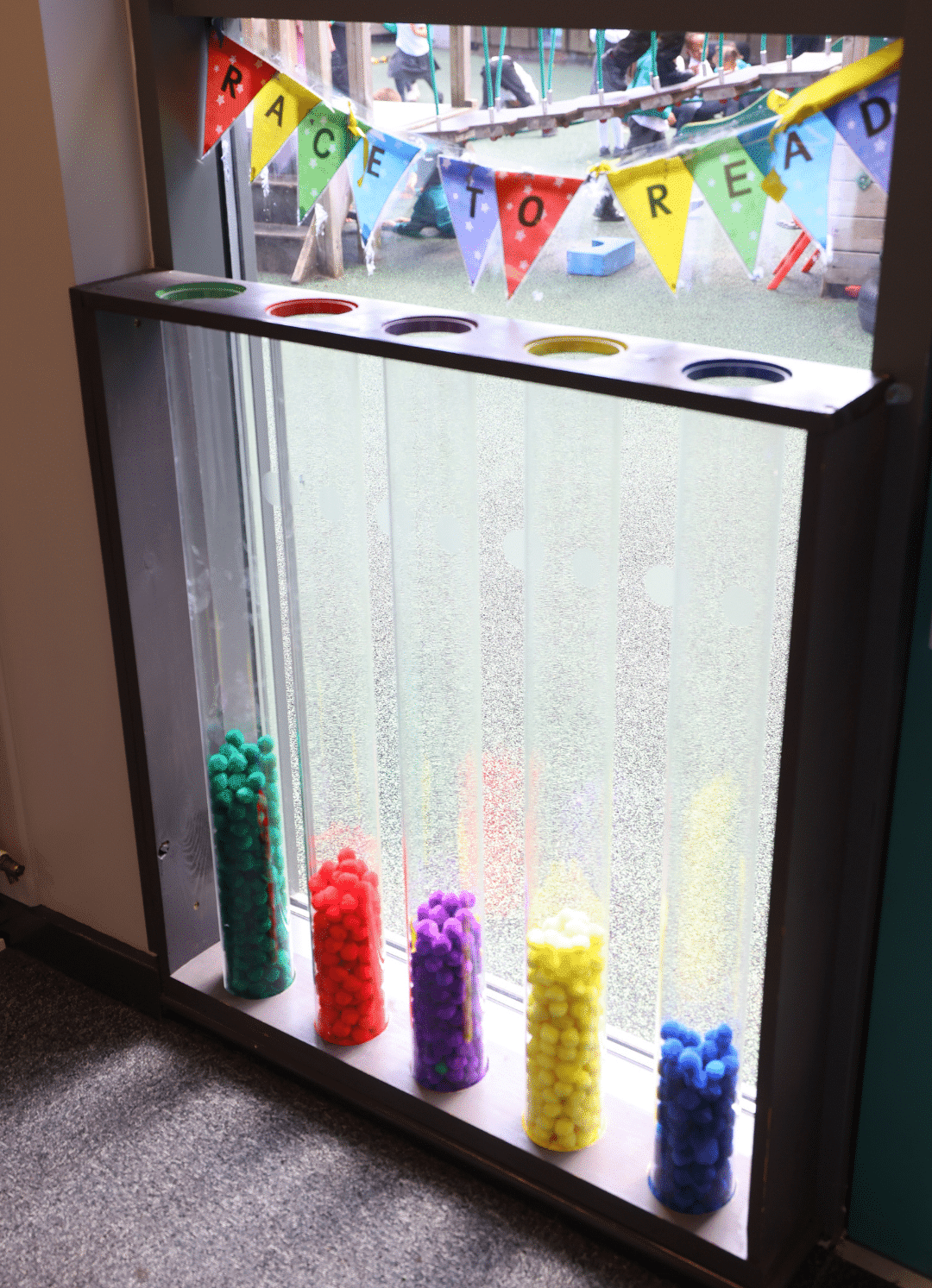
- Celebrate reading achievements: Recognise and celebrate students’ reading milestones through competitions or awards. A school-wide “Race to Read” initiative encourages each class to read as much as possible, with coloured pompoms for ever book completed. The first class to fill their tube wins! Lexia certificates are another great way to celebrate reading milestones for pupils at all stages of their reading journey! This fosters a positive reading culture and motivates students to set reading goals.
Final Thoughts
As the National Year of Reading 2026 highlights the importance of improving reading engagement nationwide, schools are uniquely placed to lead this change from the classroom upwards.
A positive reading culture is built through consistent routines, engaging environments and meaningful opportunities to connect with books. By focusing on these areas, schools can create a culture where reading is not just a skill to develop, but an experience to enjoy and share.
Lexia Core5 Reading and Lexia PowerUp Literacy offer interactive and personalised learning experiences to support students’ reading development so that tehy can better engage with books. If you need any further support introducing new pupils to the Lexia program, make sure to contact our team on 0191 482 1939 or by filling in the from below:
Contact us
"*" indicates required fields