Proven Results
Backed by independent research and trusted by thousands of educators, our literacy programmes are research-proven.



Literacy is the foundation for success across all subjects, yet gaps in reading comprehension and writing can often go unnoticed. These gaps can hinder their ability to engage with subject content, complete coursework, and succeed in exams. Because literacy difficulties do not always present in obvious ways, students may develop coping mechanisms that mask their struggles. This means that by the time gaps are identified, they may already be limiting academic potential.
This article explores how hidden literacy gaps can affect secondary students, the long-term consequences of leaving them unaddressed, and practical strategies to ensure that all learners can access and succeed in their education.
Secondary schools naturally focus on subject-specific learning, assuming students have already acquired foundational literacy skills. However, literacy underpins success in all subjects such as understanding exam questions in maths, evaluating sources in history, or structuring an argument in science.
Some literacy gaps may also go unnoticed due to the way primary assessments are structured. For example, the heavy weighting of spelling in the SPAG SATs paper means that students who are strong spellers but have grammatical deficits may fly under the radar. As a result, secondary students with undiagnosed literacy difficulties may struggle with:
Because secondary students often develop strategies to work around these issues—such as avoiding reading aloud or memorising content without fully understanding it—literacy gaps may not become apparent until exam results or disengagement highlight a deeper problem.
Literacy difficulties don’t just affect academic achievement; they can have a lasting impact on a student’s future. Challenges include:
Addressing literacy challenges in secondary schools requires a whole-school approach that prioritises early identification, personalised intervention, and cross-curricular literacy development. A well-structured intervention programme can make a significant difference, ensuring that students receive the support they need to develop essential reading, vocabulary, and writing skills.
Every student deserves the opportunity to succeed, regardless of their starting point. By recognising and addressing hidden literacy gaps, educators can empower students with the skills they need to access the full curriculum, achieve their potential, and build brighter futures.
To learn more about how Lexia PowerUp Literacy can support your students, visit our product page.
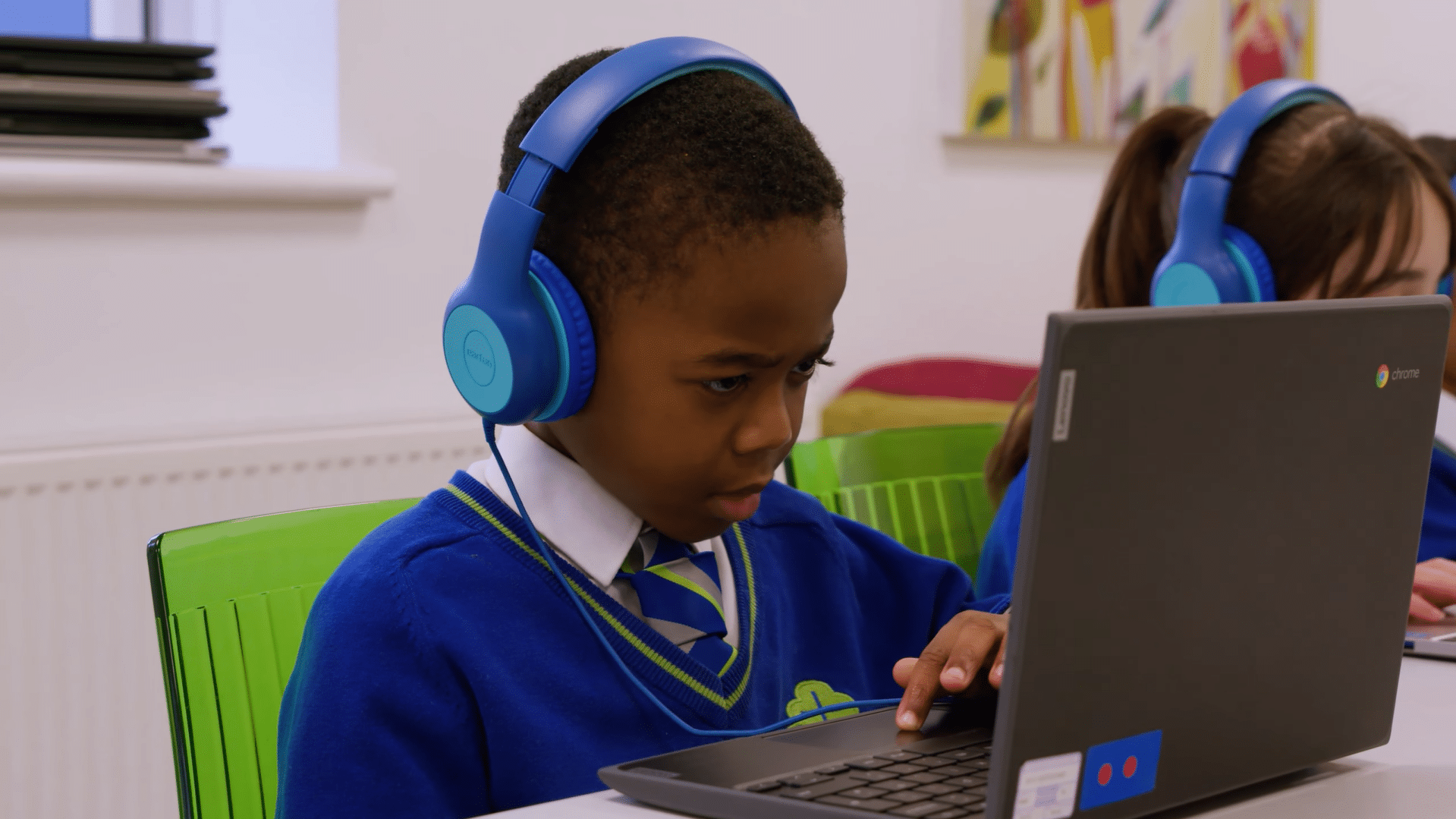
At St Joseph’s Primary School in Islington, reading outcomes rank within the top 10% nationally. Lexia Core5 Reading has played a key role in helping their struggling readers, including those with SEND and EAL, improve their literacy skills.
By integrating Core5 into their morning reading interventions, the school has seen improved reading ability, confidence, and engagement among their students.
Ready to explore how Lexia Core5 can support your pupils? We’re offering a free 30-day evaluation so you can experience the transformative power of our program first-hand.

For SENDCOs and school leaders, providing effective reading intervention requires a strategic, evidence-based approach that addresses diverse learning needs while working within the realities of curriculum demands and resource constraints.
Literacy for All: Strategies for Primary Pupils with SEND is a practical guide designed to support educators in implementing inclusive, research-informed literacy strategies. It explores key approaches to improving reading outcomes for SEND learners, with a focus on adaptive instruction, targeted support, and data-driven decision-making.
By embedding these approaches into literacy provision, schools can take meaningful steps towards closing the attainment gap and ensuring equitable access to reading development.

Want to experience the impact of Lexia Core5 in your school? We’re offering a free 30-day evaluation for schools interested in seeing how Lexia Core5 can support their students’ literacy skills development.

Last year, over 120,000 students from disadvantaged backgrounds entered secondary school below the expected standard for reading. Students arrive with different skill levels, and factors such as SEND, socio-economic barriers, and EAL can further widen gaps in spelling, grammar, and comprehension. Without the right support, these challenges can affect access to the curriculum, engagement in learning, and success in GCSEs.
By understanding the diverse needs of secondary students and applying evidence-based strategies, schools can create a more inclusive, effective approach to literacy support.
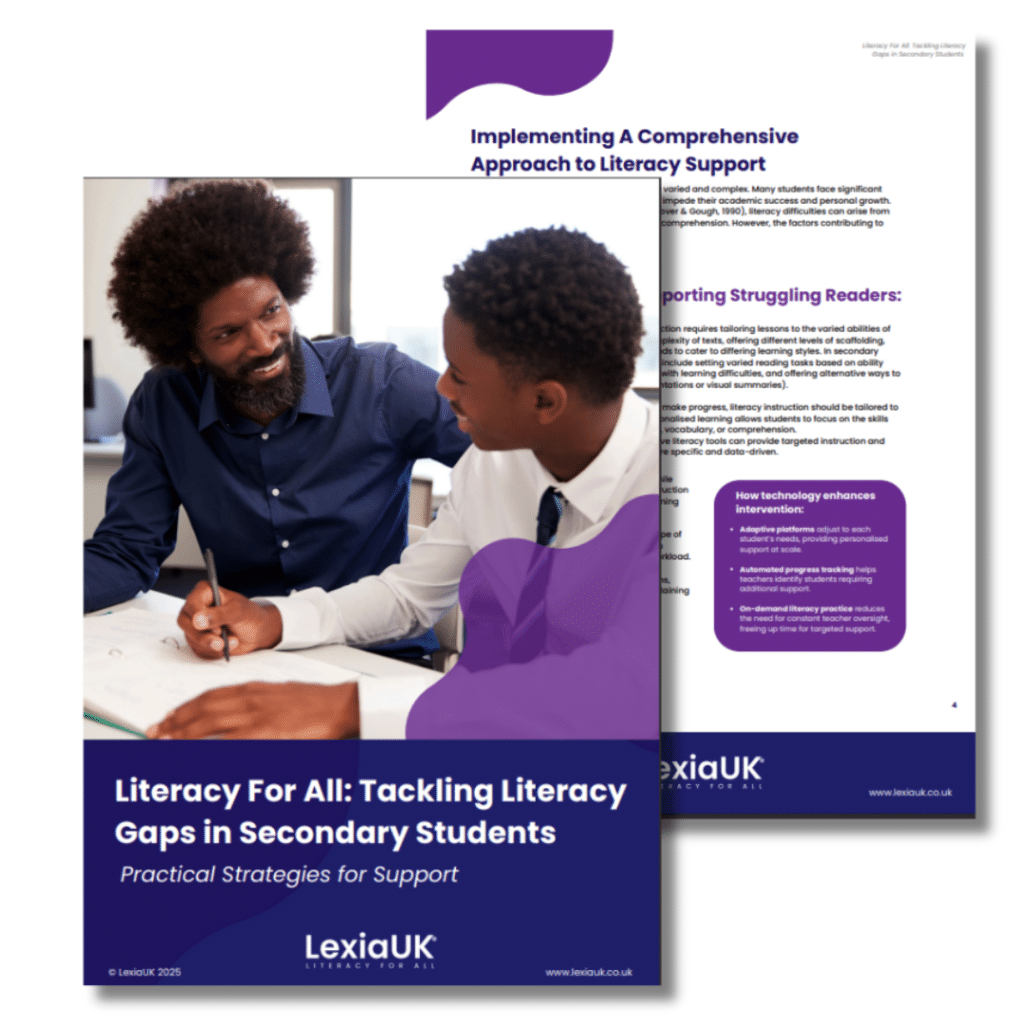
Want to experience the impact of Lexia PowerUp in your school? We’re offering a free 30-day evaluation for schools interested in seeing how Lexia PowerUp Literacy can support their students’ literacy skills development.
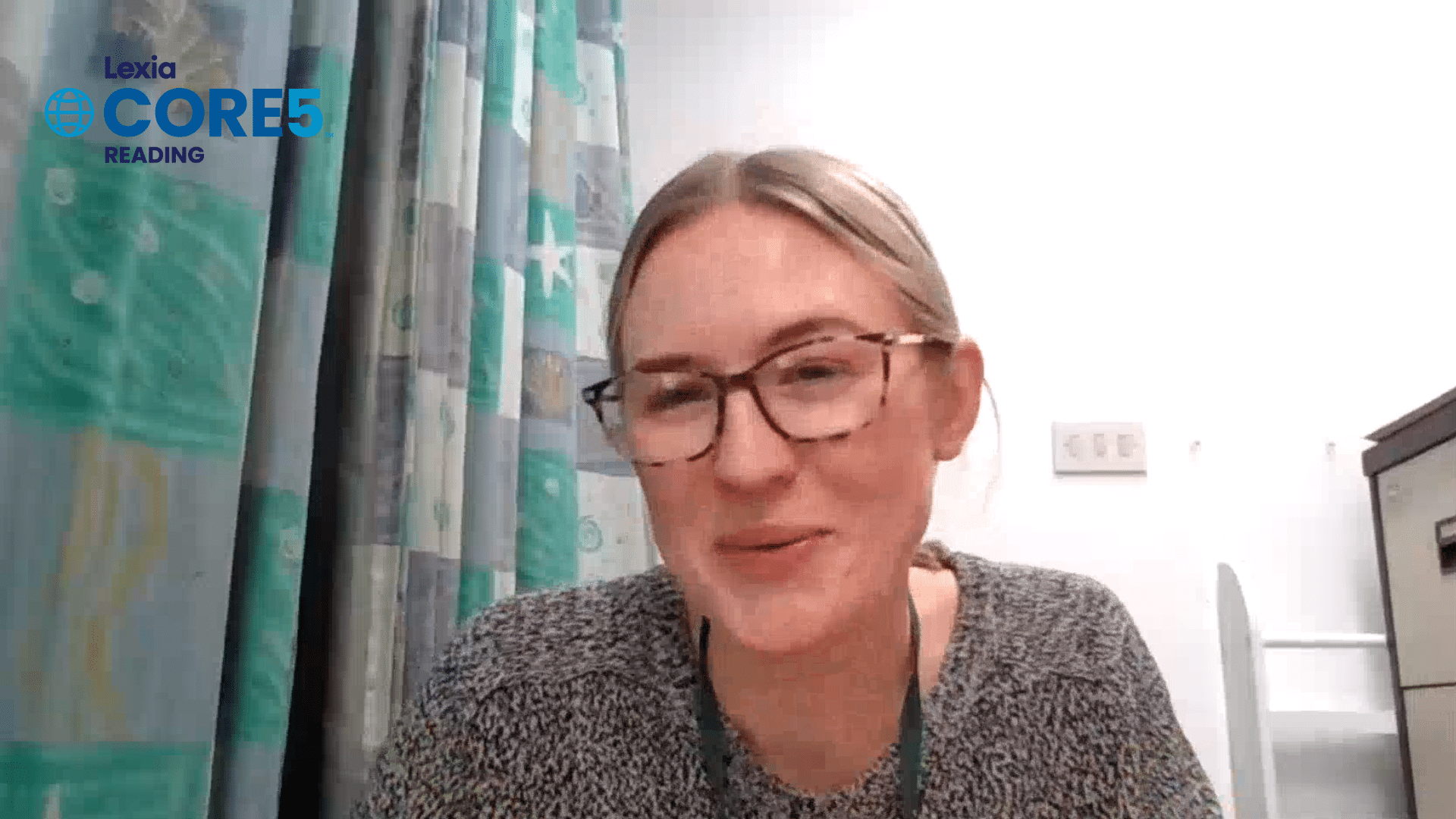
Our Star School for March is…
Beth Phipps, Reading Lead at Herrick Primary, shares how Lexia has transformed literacy learning, particularly for English Language Learners. By embedding Lexia into daily routines and fostering pupil independence, Herrick Primary has seen excellent progress with engagement, confidence, and reading skills across the school.
I had a friend who also worked at a primary school, and she was facing similar struggles with regards to basic comprehension, letter formation, sounds and their corresponding letters. I asked her, what are you doing about this? How are you managing and able to target, 60+ children when they have a very similar staffing structure to us?
She raved about Lexia and told me to get in touch so they could talk me through the program – and that’s what I did.
It was around 2018-2019 and I met with a LexiaUK Literacy Software Consultant online. They talked through everything, and I took all the information back to my head teacher and he agreed that this is a way that we can support children across the school. We decided to use Lexia to support our children that struggled the most with learning English, but I was told by the company that Lexia can be used with all children. I was given examples of schools that use the program to progress all children further down their literacy journey.
I had looked at others at the time; how they would work and what their pros were and what their drawbacks were. What we find works best with Lexia to support our children is the home screen allows them to monitor their own progress. The wheel allows them to see how many minutes they need to complete and how many units they’ve worked on. They refer often to the apple in the corner and they’ll give us that feedback themselves. They know when the apple glows red, that they are finding the activity a little tricky.
We wanted something that of course we as staff needed to pioneer and champion, but also something that the children themselves were confident with using. It was no good logging something in handing it over to them and just saying, oh, you need to work on this. They can physically track their progress and the level they’re on. They get so excited to say they’ve moved on to something new.
Lexia was something that we knew was going to engage them with the graphics and the idea of moving through the world. So, it was something that stood apart from other models that were on the market at the time.
We found that, with other programmes, the onus was purely on the educators to see where the children were, whereas we wanted something that our children could take ownership of as well, and that’s what we found in Lexia.
The children are really independent. The iPads are out on the side, they know their login information themselves. We have created little cards that stay in school and go home. So, if they were to forget their log in, they know where the Lexia card is located.
We use it as a morning task across the school for our children, and they’re incredibly independent that when they come in in the morning, they put their things away, they grab their iPad, they get their headphones on and they want to get started straight away. A lot of the time, I’ll look at their wheel first thing in the morning, and they’ve already filled them in. And I say, “how have you done that?” And they said, “Oh, I like to eat my breakfast and have a look on Lexia to see what I need to do for the day.” I think it’s really lovely. Some of the routines are embedded before they even get to school, which is wonderful.
We have comfy reading corners in all of our classrooms, which initially were purely for children to read in, but we found that the children using Lexia love to go into these areas as well. They take their shoes off, they get cosy and comfortable and they make good use of that time.
If certain children have not been able to meet their usage, maybe they’ve been absent or they’ve had a long term absence for whatever reason, we utilise assembly time, so those children will miss an assembly and work on Lexia during that time.
Sometimes they ask at lunchtime, “Can I come in and do my Lexia minutes?” And we said that’s absolutely fine. They know it’s very much an open doors policy with regards to coming in and completing their minutes. Some children prefer to do their minutes purely at home. That allows best for them in their routines and after-school commitments they have.
Something that always stands out to us is the impact that it has had on our English Language Learners. Some children join our school without a word of English, they arrive one day and they can tell you their name but the conversation stops there. They’re still part of our teaching and our lessons, and they’re fully immersed into school life and learning English. I would say for those children, it’s so lovely that they are learning those skills such as capital letters, full stops, which letters correspond with which sound. Then when it comes to their lessons, they’re applying those skills.
I have heard so many success stories where teachers have asked a child, ‘how have you learned how to do that?’ And they’ll say, ‘I was working on that on Lexia’. That’s so lovely for us to hear because all schools would love to have a specialised unit for children who first need to learn English. But realistically, they are part of the main class environment, and they have to learn at the same pace as everyone else. It’s been great for us to see how Lexia has supported those children.
It always strikes me when children start off with quite low motivation with regards to education in general. To them, we are just one more person on their case, telling them something to do. Whereas when you watch them use Lexia, they’re playing games, having fun on the iPad and getting to have some downtime. They’re fully immersed in what they’re doing and you’ll see them have a little chuckle, you’ll look over and it’ll be an animation moving over the screen.
I think that has been wonderful for us to see something like Lexia, which can help with those hard-to-reach children. They might not want another person telling them we’re going to learn how to use full stops and capital letters, but instead, they’re seeing it as synonymous with games and playing. That’s been really nice to see.
I would also say confidence for children who have arrived with very little English. They may start off not knowing the routines, maybe not even having used a tablet before. Five months later, they come in, get their iPad, talk to their friends about what it is they’re learning, help another child to log in. So, it’s provided almost a sense of community for those children. Their peers are working on it as well, and they work in a little area together. It has supported them in embedding a daily routine whilst also learning those basic first literacy skills.
We have the Lexia certificates that we use. There are lots of different ways in which the certificates can be presented, but for us, the winner is always the bright, colourful one! The children love it because it’s got their first and last name so it’s official and it shows that it’s theirs. The fact that it references at the bottom to what it is they’ve achieved is great too. So many times, children will receive a certificate and if you were to ask them what it was for a week later, they might not be able to tell you. Whereas Lexia certificates specifically break down what they’ve been able to do. They then take that home and show it to their parents and rather than just ‘I got a certificate’, they can specifically explain why. So, certificates have been great for motivating our children, and teachers have used them in different ways. They’re always printed for the children, but sometimes they’re given out in assemblies as well. We also have them displayed on the large screen the children can clap for their peers and congratulate their Lexia success!
We use Dojo rewards at our school, so they’re also awarded for children that either complete a time goal or complete a unit. We found that for children that were struggling, they might be completing their minutes for the week, but there might be units that they’re still stuck on. So, we’ve looked at the data and used this to award a Dojo reward or incentive for when they finally get past that unit. That’s worked really well to support them progressing.
Often, the children celebrate their success with others. So, even if it’s not completing an entire level, you’ll see them talk to each other and they’ll swipe along the iPad and see how many more units they have to complete. It’s been lovely again to see them monitoring their own progress and sharing their successes with each other, which I don’t feel you’re able to do with other programmes. They can monitor it themselves so that’s massively helped, along with rewards, in keeping the children motivated.
Lexia has been incredibly useful for our school. Whenever a child moves on to a new school, I download their progress reports and share them with their next school. This ensures that their new teachers know what they’ve already completed with us. The way the data is presented also allows us to see what skills the child had when they first took their assessment, which has been incredibly valuable.
If a teacher is unsure about a child’s progress, myLexia is a fantastic tool. It clearly shows whether the child has mastered basic skills and allows teachers to dig deeper into the specific skills they’re currently working on, along with their predictor traffic light status. We can instantly see their speed and accuracy in completing a particular skill.
I also like how the predictions update throughout the year, showing how likely students are to meet their goals. The progress tracking feature is excellent—it immediately highlights the percentage of children meeting their goals. I believe it’s essential to check the school overview each week, even if just one person does it and shares a summary with staff. It helps us identify where the children are and if there are any gaps for certain groups of children. It also helps us to identify if any children deserve a special shout-out for their dedication in completing their units.
I find the online platform incredibly easy to use, especially how the PDF reports and resources can be downloaded.
For schools just getting started with Lexia, my advice would be to involve as many staff members as possible. When it comes to initial training, or even just setting aside time in a staff meeting, use a demo account to explore the programme. Experience it from a child’s perspective—see how they access it, how they move through levels, and what happens if they get stuck. That way, when you observe pupils using Lexia, you’ll understand what they’re working on and be better able to support them.
Involving as many staff members as possible isn’t just about class teachers—it’s about teaching assistants too. Our TAs have played a huge role in embedding Lexia in our school, and much of our success is thanks to them. They know exactly which children should be using Lexia, they help get them set up, and they establish those routines quickly. The faster those routines are set at the start of the year, the sooner they become second nature for the children.
It can be difficult for staff to lead something if they don’t feel confident in it themselves. That’s why it’s so important to fully involve anyone who’s expected to use Lexia, helping them understand what it is and what it can achieve.
When it comes to parents, we ran a workshop when we first introduced Lexia, and we also have information available on our school website, which can be translated. So when children take home that initial letter about Lexia, parents have something physical to refer to. We also make sure every child gets their login card so they can access Lexia at home and show their parents what they’re doing.
Another great way to engage parents is by setting up a dedicated Lexia area at school events—whether it’s a parents’ evening or any open school event. Even just having a table with demo students logged in can make a big difference. Children who use Lexia naturally gravitate toward it when they see the logo, and they love showing their parents what they’re working on.
Celebrating success is also key. If a child is motivated and consistently meeting their Lexia minutes, let parents know! When parents see that their child’s engagement with Lexia is making a real difference at school, they’re more likely to encourage them at home.
Ultimately, the key is to involve as many people as possible—staff, teaching assistants, and parents—so that everyone understands what Lexia is and how it supports children’s learning.
We’ve had very positive feedback from the children. They love the ‘around the world’ theme—you’ll often hear them saying, “I’ve just been in China,” or “I’m moving on to India next.” For people unfamiliar with Lexia, they can wonder what it is they are talking about at first, but it creates such a buzz around the programme.
The visuals are eye-catching and vibrant, which makes a big difference. The children relate to them, and they spark conversations—especially any references to animals, which they are always interested in.
They also enjoy the mix of fiction and non-fiction texts. A lot of school materials are often photocopied in black and white, whereas Lexia’s content is bright, colourful, and interactive, which the children love. It’s easy for them to use, and they quickly learn how to track their progress. They like having something to listen to, and they know they can repeat instructions if they need extra help.
What’s great is that this enthusiasm comes from children at all levels—whether they’re right at the beginning of their Lexia Journey, learning basic print concepts, all the way to children in Year 6 working through comprehension tasks. For those at the higher end, Lexia helps them tackle new vocabulary and understand word meanings in a way that supports their learning.
Overall, it’s been fantastic to see such positive engagement from children at all ends of the spectrum.
One of the special things about Lexia is seeing the journey children go on. Some start at that very initial placement, settling into the nursery level skills, and then three or four years later, they’re not far off their peers in sentence completion or passage comprehension. Watching them go on that journey with Lexia supporting them every step of the way, is quite special.
When they move from Year 2 to Year 3, they already know Lexia is something they’ll continue with. They’re already familiar with the routines, which makes the transition seamless.
A lot of this success is testament to initial time and effort spent setting everything up. At first, it can feel like a barrier to be constantly chasing the same children or sorting out the infrastructure—but once those routines are in place, the daily running almost takes care of itself.
Getting as many staff members involved as possible—logging in, checking where children are up to—makes a big difference. The more people engaged, the better the experience for the children.
Most importantly, persevere with it. It’s so worth it. Once everything’s set up and running, you start to see the success shining through!

At LexiaUK, we’re privileged to partner with schools that are committed to transforming literacy outcomes for their pupils. Hearing their success stories not only inspires us but also reinforces the impact of a thoughtfully implemented literacy program. In this post, we share how three schools have used Lexia to achieve remarkable results, and what we can learn from their approaches.
The Compton School in North Finchley, London has successfully integrated Lexia into its whole-school literacy strategy, led by Assistant Headteacher Emily Walker-Nolan and Lexia Lead Deeya Sharma. Initially introduced to support with COVID catch-up, Lexia has now become central to Compton’s three-tier literacy approach, which includes staff training, targeted interventions, and comprehensive screening for Key Stage 3 students with reading difficulties.
Lexia’s adaptive features have proven effective in motivating students. The school enhances engagement by rewarding students with incentives like chocolates and postcards. Lexia is also used creatively across various settings, including transition programs for Year 6 students and daily routines such as breakfast clubs.
The program has led to impressive results, including a 20% increase in students meeting reading benchmarks. The school emphasises the importance of early implementation and actively involves parents through workshops and home-school communication.
Through these combined efforts, The Compton School has set a high standard for effective literacy intervention, ensuring all students experience progress and success.
The Compton School’s approach highlights the importance of early intervention. By identifyihttps://youtu.be/7FE5T_1WtU4ng struggling readers early, the school ensures they receive targeted support before gaps widen.
By integrating Lexia into their Year 6 transition, the school supports students in starting their secondary education with stronger literacy skills, potentially avoiding years of struggle. Early intervention not only helps address foundational gaps but also boosts student motivation and engagement, ensuring ongoing progress and success in literacy.
Watch The Compton School’s Full Interview
At Herne Junior School, Hampshire, Lexia has become a cornerstone of the school’s reading intervention strategy, particularly under the leadership of Lynne Tandy, the school’s SEN Assistant and Lexia Coordinator. Initially used as an early morning intervention for Year 4 and Year 5 pupils, the program evolved during the COVID-19 lockdown into a daily routine across the whole school.
By providing personalised learning experiences, Lexia helps close reading gaps, boosting students’ confidence. Lynne creatively integrates Lexia into the school day, offering morning sessions that include breakfast, and rewards that ensure engagement and motivation.
Her approach, which combines consistency, positive reinforcement and tailored support, has led to impressive improvements. For example, one pupil gained confidence after completing over 1,000 minutes on Lexia and advancing three levels. Lynne advises other schools to thoroughly explore Lexia’s features to ensure effective implementation.
Herne Junior’s success with Lexia is a testament to the programme’s potential when used creatively and consistently, making a lasting impact on pupils’ reading development.
Herne Junior School demonstrates the power of building pupil motivation and consistency. By embedding Lexia into the school day with consistent morning sessions, the school fosters a routine that encourages daily engagement with the program. This regular practice ensures that pupils see continuous improvement, building their confidence over time.
The reward system, including house points, stickers, and special reward activities, reinforces positive behaviour and celebrates small achievements, making learning feel rewarding and enjoyable. Lynne’s focus on creating a positive, supportive environment where learners are motivated to share their progress also plays a crucial role in maintaining high levels of engagement.
Herne Junior’s approach shows that when students are consistently encouraged, given clear goals, and rewarded for their efforts, they are more likely to stay committed and succeed in their reading development.
Watch Herne Junior School’s Full Interview
At St Alban’s Academy, located in an area with high deprivation and significant learning gaps, Lexia Core5 was implemented as a whole-class solution rather than a small-group tool. This innovative adaptation ensured all pupils benefited from the program’s design of offering targeted support, regardless of their starting point.
The school adopted an effective routine: while some pupils worked independently on Lexia’s personalised online tasks, teachers focused on smaller groups to address specific learning needs. This model allowed for both individualised practice and focused intervention. Teachers also used Lexia’s detailed reports to inform lesson planning, ensuring that classroom teaching addressed areas where pupils struggled most.
The impact was transformative. Within five weeks, most pupils had gained two months’ progress, with the school’s most vulnerable learners making particularly notable strides. Teachers reported a significant reduction in workload stress, as Lexia’s adaptive technology provided vital support.
Beyond academic gains, the school saw an uplift in pupils’ enthusiasm for reading. Children began sharing their progress and favourite moments from Lexia, while teachers noted improvements in writing because of exposure to richer vocabulary and texts.
St. Alban’s Academy’s approach offers valuable lessons for other schools looking to maximise the impact of reading interventions. Their decision to implement Lexia Core5 as a whole-class intervention demonstrates the power of inclusivity in reading progress. By ensuring that every pupil, regardless of their starting point, could benefit from personalised support, the school effectively reduced learning gaps and promoted equity.
The integration of Lexia with targeted teacher interventions also highlights the importance of a blended approach that combines technology with teacher expertise. The use of Lexia’s detailed reports to inform lesson planning demonstrates how data-driven decision-making can enhance teaching strategies.
Read St Alban’s Academy’s Full Interview

Backed by independent research and trusted by thousands of educators, our literacy programmes are research-proven.

Find out how we are helping schools to accelerate their literacy progress.

Keep up to date with the latest industry news from LexiaUK.

Our Star School for February is…
We had a great conversation with Grace Ashton, Assistant Principal and Georgina Shipp, SENCO and Assistant Principal at Oakwell Rise Academy. They shared how Lexia Core5’s personalised learning model has helped, not only to improve academic success in SATs, but boost their pupils’ confidence too!
Grace: We’ve had Lexia now for a number of years. We were looking for something that the children could access with some independence. It’s fab for workload. With the placement test, it’s totally scaffolded and differentiated to the level that those children need. It’s helpful when you’ve got quite a few children within one classroom that need lots of different levels of learning.
I think we chose Lexia because it had good results and it was totally tailored to those children’s individual needs. Even within one lesson on Lexia, it automatically shifts between independent practice and guided instruction without the teacher having to do that. It’s very visual as well so it is easy to see if a child is struggling and, of course there are the Skill Builders and Lexia Lessons if those children are still struggling and need teacher input.
So, it was really about ease of use for us. Not only did it have cracking results, but it was easy for us to deliver and set up.
Georgina: I think for me, it’s really visual and engaging for the children. They enjoy all those elements, so it feels like a game. We never feel as if we are forcing them to do a structured intervention. It’s something that they’ve got that ownership over. They can see those levels are ticking up and when they are getting those certificates, they feel they are achieving. I like the way the levels are themed as well, its very beautiful as you work yourself around the world map. The kids really enjoy it.
Grace: I think it’s also the ease of use from both the students side and the staff side. It is so simple for the children to get logged on using the website or app. The myLexia staff area is really easy to navigate and simple as well. You can pick it up and run with it.
Georgina: From a tracking perspective, it does it all for you. All the lovely tables and lovely graphs. It shows you visually where the children are starting from, where they’ve got to at this point and what we need to do to get them there next. It’s intuitive enough to know that it is doing that for us. So, we are not having to pull in other interventions because we know that Lexia is going to take us to that next level.
Grace: The children that we target for Lexia are the children that are not currently working on their year group objectives so, we use it to give those children a push. We identify those children after assessments and based on teacher judgements.
Usually, children access Lexia at 8:30am each morning, so that is usually how those children start the day. We do also hold sessions in the afternoons which is monitored by a TA who checks and supports over the shoulder. We share the logins with parents as well so pupils are also able to access it at home. It’s a whole school approach and we value it.
Georgina: During our Pride Awards, all of the certificates that the children have earned throughout the week are handed out. We love celebrating their progress and the fact that those children have worked independently and have been achieving those goals for themselves.
I had one of the young men that I teach in Year 5 told me he had already gained 10 units that week and it was only Tuesday! I asked him how he had managed to gain 10 units already and he said, “I did it at home last night, I really want to get to the end of the program!”
That self-motivation is there and it’s in-build. I think it’s just part of our culture now. Because we are celebrating our Lexia children, we are noticing that children that are not doing Lexia are asking if they can do it too! They love it!
Grace: We’ve seen that the children that are getting the greatest usage on Lexia and working through the units, their reading data in Year 6 from Autumn to May for the SATs has skyrocketed. Because it’s purposefully tailored to them and, at the higher levels there is a massive focus on comprehension, that really supports them with those SATs papers. Those children who are a little bit behind who are working are the lower levels are also getting those basic reading skills and phonics intervention from it, so it has the impact across school.
All of the children who are on Lexia make great progress in reading, but you can see that it does support SATs results as well.
Georgina: We have a lot of children with English as an Additional Language that attend here so those that are new to English may need a little bit more practice when it comes to reading and the English language. It’s helpful for them, particularly the way you can have instruction repeated. In addition to this, there are opportunities for adults to support if we are not understanding what they need. It really does help develop those children and gives them that daily practice with staff as well as independent practice when they get home.
Grace: What’s nice is when they are working on reading a text in the program, if there is a particularly tricky word, they can usually click on it and read about what it means and get a definition and a picture. This is not only fantastic for EAL children, but all children who have not got as much of a command of language. They do not need to constantly ask the teacher what each word means, they can develop their own independence as well which is nice.
Grace: It’s not so much a particular student but something that really stuck with me last year what when a few pupils started some of the units on Idioms. Of course, some of our EAL student were brand new to idioms like ‘break a leg’ but it linked very nicely to our writing topics and it came out that, actually, as a class, we weren’t quite sure what those idioms meant. We were then able to complete the Idioms Skills Builder as a class and use some of the additional resources in the Lexia materials to teach whole-class. The resource that is behind the program can be used in whole class sessions as well.
Georgina: I am fairly new to the school, but we had one young man, last year, that got to the end of the program and he got a massive prize for that! He was quite a nervous young man, and didn’t have a lot of confidence in himself. He had a diagnosis of autism and was quite timid and shy in himself but, seeing him up there and showing everyone ‘I’ve worked hard, and I’ve done this all by myself’. He just beamed and was so proud of himself. He really shone from the inside!
Grace: Yes, There was that confidence element but, within that, he went from a low starting point that year, to passing at the end of the year. Lexia was a contributor to that.
Grace: We place a lot of value on the certificates that we give out in our weekly Pride Awards assembly. For example, I had a little boy who got two certificates in one week. When he achieved the second one, I asked him if he wanted it to be printed straight away or to save it for the next awards in a weeks’ time. Even though he had to wait, he chose to wait until the Pride Awards because he wanted to stand up in the assembly.
The teachers really value it too. We use Dojo’s and house points if children are doing well during the week. We also have awards for Star Learner, Class Champion and Homework Hero and sometimes staff choose to award those to children trying really hard on Lexia as well. So it is valued and promoted in every assembly.
Georgina: We also take a picture of every child that has achieved a Lexia certificate and that goes on our social media page so we are communicating with parent how much we value to time they give to Lexia at home. So we celebrate in the wider school community as well.
Grace: I like the colour coding of the myLexia reports, like how you can see what progress they have made in the year so far against their overall progress. You can also go into the detailed reports where it clearly shows the speed at which they are progressing and their accuracy score. It also provides information on how independently the children have completed each unit so, even if they have worked at a low speed, we can see if they have done it on the independent mode or have they needed help with Guided Practice. It’s really helpful to see that detail of pace, accuracy and independence in their work.
Georgina: From a SEN perspective, we use the report to inform our support plans. If a child’s not successful on that level, then what support do we need for that? We track their progression over time from their last support plan to this support plan to see if we are getting the right level of progress that we are expecting. If not, we may also look into wider professional to see what that further support might look like. For example, do they need additional tuition from a dyslexia specialist? So, we use the reports widely from a teaching a learning perspective, but we are also looking at it from an SEN perspective as well.
Grace: Last year we had some Lexia training and that was useful to build staff knowledge of the program and what is covered in each level. I think it’s important to value the program and share with staff the value of Lexia and the impact that it can have. We are all so busy in schools but it really helps to make sure it is something that you give the time to. The CPD session in particular was very helpful, not only to see what the children’s side looked like and what the teachers’ side looked like, but building that knowledge of what each level covers. That way when they see one of their children are on Level 7, they know exactly what skills they are working on.
Georgina: I came to this schools from another that had Lexia and, the fact that it is timetabled in every day here and that every child has the opportunity to access it, it makes a big difference. They have all got a device to access it, they all have their login, we have trained the children on how to log in successfully and we’ve got everything that we need for them to be successful. The main thing is that they have actually got that time allocated to it and it is prioritised in the timetable. It’s not something that maybe one or two might access when we have got 5 minutes. It is prioritised, it’s valued and its something that is celebrated and rewarded. I think that’s what makes it really successful here. Children need to be accessing it with real rigour for it to be purposeful.
Grace: They love it, they enjoy it. They like the certificates. Some of our lower attaining children that struggle in other areas love it because it is perfectly tailored to them. They are getting that reward every week, at their level and it is valuing their efforts. I think with the younger children, it is so visually appealing, that they genuinely love going on it. Even the Year 6’s, the oldest in school, will go on it from home so they clearly do enjoy using it.
Grace: I think it just goes back to the confidence that the children have grown with Lexia but also the academic success. It’s got both of those lovely aspects of supporting children in developing their confidence and their academic success. Children that had have previously had a negative outlook on reading, but actually because they’ve caught up and they’ve build those skills, the have come into general reading and writing lessons with that little bit more confidence and belief in themselves, which is really lovely.
Backed by independent research and trusted by thousands of educators, our literacy programmes are research-proven.
Find out how we are helping schools to accelerate their literacy progress.
Keep up to date with the latest industry news from LexiaUK.

Reading is a cornerstone of learning, yet many primary pupils encounter challenges that can prevent them from achieving proficiency. Addressing these obstacles requires both targeted interventions and fresh approaches that go beyond ‘more of the same’. In this post, we’ll explore four common barriers to reading growth in Key Stage 2 pupils and share strategies to improve literacy in the classroom.
For some pupils, traditional classroom strategies simply aren’t enough. This is especially true in Key Stage 2, where struggling readers may have fallen behind despite prior intervention. Without fresh approaches, these pupils risk continuing to lag further behind their peers.
Teachers can support pupils by shifting to strategies that revisit and rebuild foundational skills while introducing engaging, differentiated instruction. Look for programs that identify gaps in learning and offer personalised, adaptive pathways to mastery. These approaches ensure that pupils aren’t stuck repeating methods that haven’t worked for them.
An effective solution should provide both students and teachers with a renewed approach—offering a way to re-engage pupils with targeted, manageable steps toward progress. Consider using technology to track mastery and provide immediate feedback, making the learning process more transparent and motivating for pupils.
Many struggling readers in Key Stage 2 are expected to both “catch up” on missed Key Stage 1 skills and then “keep up” with increasingly complex content in upper school. Balancing these demands is challenging for both pupils and teachers.
Effective catch-up strategies focus on identifying and targeting the specific gaps from Key Stage 1 that continue to hold pupils back. Diagnostic assessments can pinpoint which phonics, fluency, or comprehension skills need reinforcement. In addition, it’s crucial to then scaffold Key Stage 2 learning to ensure pupils can access age-appropriate texts and deepen their understanding of content.
Building comprehension and vocabulary skills in tandem with decoding skills provides a holistic approach to literacy development. A structured approach that integrates both catch-up and keep-up strategies ensures no time is wasted and that pupils remain on track to transition to secondary school as confident readers.
Disadvantaged pupils are often disproportionately affected by literacy gaps, and traditional approaches may not address these needs effectively at the scale required. Teachers need solutions that ensure all pupils, regardless of their starting point, have access to equitable literacy instruction.
Innovative use of technology can level the playing field, offering consistent, personalised instruction to every pupil. Research-backed adaptive programs adjust to each pupil’s needs, helping disadvantaged learners catch up and make real progress, even when resources are limited.
Additionally, focusing on growth milestones rather than simply meeting age-related standards can help build confidence and momentum for struggling readers. Providing regular opportunities to celebrate small victories encourages persistence and motivates pupils to continue improving.
With countless literacy programs and interventions available, it can be overwhelming to decide which approaches will truly benefit pupils. Many programs claim to be “research-based,” but there is an important distinction between being “research-based” and “research-proven.” Without clarity on the difference, teachers may invest valuable time and resources in strategies that lack evidence of effectiveness in real classrooms.
To ensure pupils benefit from approaches that genuinely work, focus on strategies that are research-proven. These are programs that have undergone rigorous testing and evaluation, demonstrating measurable and consistent improvements in learning outcomes. A great place to start is the EEF Promising Programmes list, which highlights interventions backed by solid evidence.
When evaluating literacy programs, ask critical questions:
It’s also important to remember that even the best programs require effective implementation to succeed. Pairing research-proven interventions with professional development and ongoing teacher support will maximise their impact.
Lexia Core5 Reading is designed to help Key Stage 2 pupils overcome these common barriers, offering a truly fresh start for both learners and their teachers:
With Core5, teachers can provide targeted support that equips pupils to thrive as readers, all while making teaching more effective and time-efficient. It’s more than just a reading program—it’s a tool for closing gaps, fostering equity, and empowering educators.
"*" indicates required fields

Engaging secondary students in reading can be a challenge for educators. At this stage of the learning process, some students may have developed a reluctance to engage with reading due to past struggles, while others might find traditional approaches uninspiring. However, with the right strategies, these barriers can be overcome. Gamified learning is one such strategy—one that taps into the natural instincts for play and achievement to reframe reading as an enjoyable and rewarding activity.
At LexiaUK, we are passionate about fostering literacy for all. By leveraging innovative, equitable approaches, like gamification, we aim to empower educators to create inclusive learning environments where every student can succeed.
One of the key principles of gamified learning is chunking tasks into bite-sized, achievable goals. For struggling readers, the thought of tackling an entire novel or lengthy article can be overwhelming. Gamification breaks the process into smaller, digestible steps, such as decoding a paragraph, mastering a set of vocabulary words, or answering a few comprehension questions.
Each small success contributes to a sense of progress, reducing anxiety and building confidence in students who may have previously felt defeated by reading challenges.
Games thrive on rapid feedback loops—moments where players see the direct results of their actions. When applied to literacy, this might look like immediate feedback on a comprehension quiz or unlocking a new level after completing a set of vocabulary challenges. These quick wins provide a dopamine boost, motivating students to keep engaging and improving.
Gamified learning helps students track their progress in a visual and tangible way. Badges, progress bars, and rewards show learners how far they’ve come, encouraging them to push further. For secondary readers, these features help shift their mindset from “I can’t” to “I can” and eventually to “I am successful”.
Incorporate Game Mechanics into Daily Activities: Add elements such as leader boards, timed challenges, or reward systems to regular reading tasks. Introduce a “mystery reader” challenge where students earn clues about a famous author or character after completing reading tasks. Once all the clues are collected, they can guess the identity for a reward or bonus activity.
Use Technology to Your Advantage: Digital platforms like Lexia PowerUp Literacy integrate gamification seamlessly, making it easy for teachers to implement these techniques. These tools often include built-in progress tracking, goal-setting features, and interactive tasks that engage students.
Make Success Visible: Celebrate small wins openly in the classroom. Display a progress chart or award badges for milestones reached, such as mastering a new set of vocabulary words or completing a series of comprehension challenge.
Encourage Collaboration and Healthy Competition: Use group activities or team challenges to foster collaboration among peers. A reading scavenger hunt, where groups work together to solve questions based on assigned texts, combines teamwork with literacy skills.
Provide Differentiated Challenges: Not all students are at the same reading level, so tailor gamified activities to suit varying needs. Adaptive platforms like Lexia PowerUp Literacy automatically adjust to students’ abilities, ensuring that every learner is working at an appropriate challenge level.
Lexia PowerUp Literacy is designed specifically for struggling and reluctant readers at the secondary level, blending innovative gamification techniques with evidence-based learning strategies.
Personalised Learning Paths: The program adapts to each student’s strengths and areas for growth, ensuring that they receive content that is both challenging and achievable.
Engaging Skill Practice: Activities are presented as interactive, game-based learning, such as sight word racing, sentence building, and comprehension quizzes.
Progress Tracking and Rewards: Lexia PowerUp literacy includes game elements such as streaks, unlockable levels and competitive, beat-the-clock activities. The learning experience is further enhanced by high quality visual indicators of progress, motivating students to keep advancing.
Real-Time Data Insights: While students engage independently, educators gain access to detailed reports, helping them provide targeted support where it’s needed most. Tracking student progress throughout your secondary school is simple with our myLexia administration tool.
At LexiaUK, we believe in the power of literacy to transform lives. By introducing gamified learning into the classroom, you can spark a love for reading in even the most reluctant students, fostering skills that will support them far beyond their school years.
Ready to explore how Lexia PowerUp Literacy can elevate reading engagement in your school?
Get in touch with our team to discuss your goals and discover how we can support your journey towards literacy for all.
Backed by independent research and trusted by thousands of educators, our literacy programmes are research-proven.
Find out how we are helping schools to accelerate their literacy progress.
Keep up to date with the latest industry news from LexiaUK.

Reading is much more than a skill—it’s a gateway to understanding the world, unlocking potential, and building a foundation for lifelong learning. For school leaders and educators alike, prioritising literacy is key to fostering both academic success and personal growth in pupils. Confident readers often become confident learners, and in turn, this confidence supports better engagement, wider progress, and positive outcomes across the curriculum.
In this post, we’ll explore the link between literacy and learning confidence, discuss its impact on pupil outcomes, and provide actionable strategies to promote reading at the school and classroom levels.
Children who are confident in their reading abilities tend to carry that confidence into other areas of their learning. The ability to read fluently allows pupils to engage with texts across all subjects, from science experiments to history lessons. This understanding fosters a sense of achievement and autonomy, empowering pupils to participate more actively in discussions and group activities.
The ripple effect is profound. A child who feels capable when tackling a challenging book will often approach other tasks, such as solving maths problems or writing essays, with the same belief in their abilities. Confidence in reading equips children with the self-assurance to persevere, problem-solve, and explore independently.

For many pupils, the ability to read and comprehend written materials is essential for accessing the full breadth of the curriculum. From deciphering exam questions to following instructions for a science experiment, reading underpins success in every subject.
Yet, pupils with low literacy levels face significant barriers. A lack of reading confidence can lead to disengagement, frustration, and a widening gap in achievement. The good news is that focused reading interventions can transform not only a pupil’s academic outcomes but also their overall attitude towards learning.
By prioritising literacy, schools can create an environment where all pupils—regardless of their starting point—have the tools they need to thrive.
Equity in literacy means ensuring that every pupil—regardless of background, ability, or starting point—can develop strong reading skills. For many schools, this requires a shift from a one-size-fits-all approach to a more personalised and inclusive strategy. To achieve this, the following steps can be taken:
Embedding reading across all subjects is essential to fostering confident learners. Disciplinary Literacy, which focuses on the specific reading and writing skills required within each subject, can help children make connections between their literacy skills and their understanding of various subjects.
Here’s how to integrate reading seamlessly into every subject across the curriculum:
Adapt Reading Strategies for Each Subject: Each subject has its own language and methods of communication. For example, history often involves analysing text with a focus on cause and effect while science relies on reading technical vocabulary.

Create Cross-Curricular Reading Opportunities: Incorporate reading tasks into various subjects to show pupils how literacy skills apply beyond English lessons. For example, use non-fiction texts in science to explore topics like habitats or forces, or historical letters and diary entries in history to bring key events to life. By embedding reading into different areas of the curriculum, pupils develop a deeper understanding of subject content while strengthening their comprehension and critical thinking skills.
Foster Vocabulary Development Across Subjects: Teach subject-specific vocabulary explicitly, incorporating morphology to help pupils understand and use academic language. For example, break down terms like “photosynthesis” into its Greek roots—photo (light) and synthesis (putting together)—to deepen understanding. This approach not only builds confidence in using complex vocabulary but also equips pupils with tools to decode unfamiliar words independently.
Embedding reading across all subjects is essential to fostering confident learners. Disciplinary Literacy, which focuses on the specific reading and writing skills required within each subject, can help children make connections between their literacy skills and their understanding of various subjects.
Here’s how to integrate reading seamlessly into every subject across the curriculum:
Schools that prioritise literacy see a profound impact on their pupils’ outcomes. When reading is embedded in the school’s culture, pupils gain not only the skills to access the curriculum but also the confidence to be curious, explore and express themselves.
This transformation often starts with leadership. By championing literacy initiatives, school leaders can create a school-wide focus on reading that benefits every child, fostering a thriving, inclusive community where all learners can succeed.
At LexiaUK, we believe in Literacy for All. Our mission is to empower schools with evidence-based tools and strategies to transform reading outcomes for every pupil. From targeted interventions to whole-school solutions, we provide the support schools need to make literacy a priority.
If you’re ready to unlock your school’s potential through reading, we’d love to hear from you. Contact us today to discuss your needs and discover how LexiaUK can help you achieve your vision for school-wide literacy success.
Backed by independent research and trusted by thousands of educators, our literacy programmes are research-proven.
Find out how we are helping schools to accelerate their literacy progress.
Keep up to date with the latest industry news from LexiaUK.