Proven Results
Backed by independent research and trusted by thousands of educators, our literacy programmes are research-proven.


It’s a question we hear often from schools looking to maximise their impact on reading.
During the National Year of Reading, it feels like the perfect time to ask a wider question too:
How are schools supporting reading and what challenges are they facing along the way?
That’s why we’d love to hear from you.
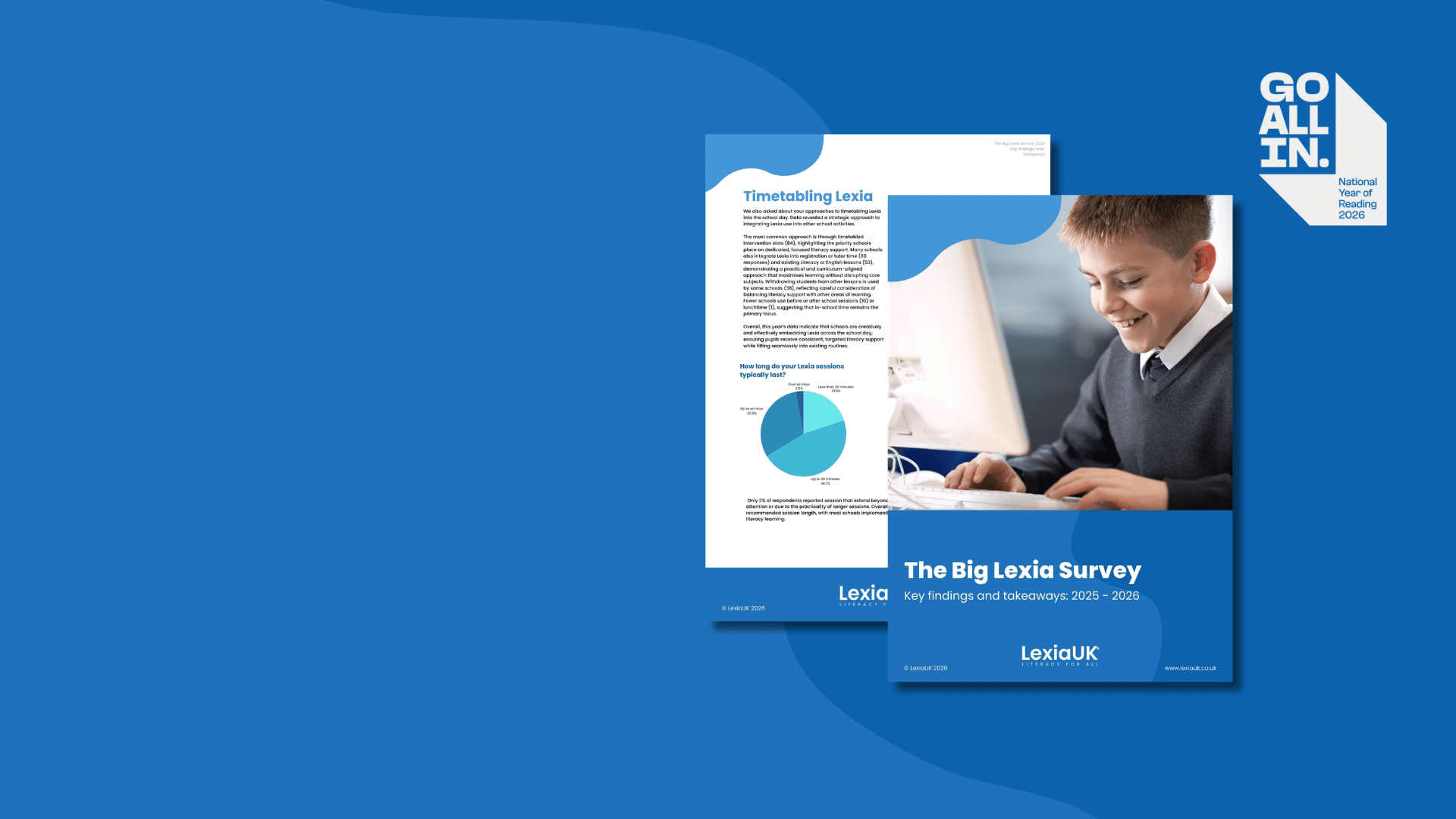
Take part in The Big Lexia Survey 2026 and help us better understand how reading is being supported in your school, how Lexia fits within that approach and where the biggest pressures and priorities lie. From targeting and timetabling to tracking progress and overcoming reading barriers, we’re keen to learn what’s working well and where you’d value more support.
In return, you’ll be entered into our prize draw to win £250 of National Book Tokens for your school library.
Your feedback will help shape future resources, guidance and support, ensuring Lexia continues to support schools effectively during the National Year of Reading and beyond.
Click below to take part. It only takes 15 minutes, but your insights will make a lasting impact.
To Enter, participants must:

Backed by independent research and trusted by thousands of educators, our literacy programmes are research-proven.

Find out how we are helping schools to accelerate their literacy progress.

Keep up to date with the latest industry news from LexiaUK.

As secondary school educators, we face the constant challenge of ensuring every student reaches their full potential. For many, literacy is the cornerstone of academic success. However, struggling readers, limited resources, and diverse learning needs often make literacy progress difficult to achieve. In this post, we’ll explore five common barriers to secondary school literacy development and offer practical solutions to overcome them.
One of the most significant challenges in secondary education is motivating students to engage with reading. By the time students reach secondary school, many may have fallen behind in their literacy skills, leading to frustration and disengagement. This disengagement often stems from the perception that reading is a task, not an enjoyable activity.
To reignite a passion for reading, it’s crucial to create an environment where reading feels rewarding and engaging. One effective strategy is to incorporate interactive, hands-on learning experiences. For instance, using gamification in reading interventions can transform the process into something more engaging and less like a chore. Allow students to track their progress and celebrate milestones, which fosters a sense of accomplishment and motivates them to continue.
Additionally, offering a variety of reading materials that align with students’ interests and reading levels can help them connect with texts in meaningful ways. Tailor lessons to their preferences—whether through graphic novels, nonfiction articles on topics they care about, or interactive digital platforms that present reading as an exciting challenge rather than an obligation. By focusing on engagement and celebrating progress, you can help students regain their enthusiasm for reading and build the confidence they need to succeed.
In secondary schools, students often have varying levels of literacy ability. Some may be fluent readers but lack the comprehension skills to fully engage with text, while others struggle significantly with decoding. Teachers are tasked with catering to these diverse needs, often without the necessary resources or time to provide individualised support. Without the right tools, it can be overwhelming to ensure that all students receive the right level of attention.
The key to managing diverse literacy needs is differentiation. Begin by assessing each student’s specific strengths and weaknesses, and tailor your approach accordingly. Use a mix of whole-class instruction, small group work, and one-on-one support to ensure that all students have the opportunity to progress at their own pace.
When planning lessons, include activities that allow for various levels of complexity so that advanced readers can be challenged while struggling readers receive the support they need. For example, create tiered assignments or offer alternative texts that match different reading levels.
Another effective strategy is peer support. Pairing stronger readers with those who need more help can create a collaborative learning environment where students learn from one another. This approach not only aids in literacy development but also fosters a sense of community within the classroom.
In the busy secondary school environment, teachers often face the challenge of finding enough time to provide meaningful interventions for struggling readers. With varying student needs and a heavy curriculum load, providing individualised literacy support can feel nearly impossible.
Maximising available resources is key. Start by using time-efficient, evidence-based interventions that require minimal preparation. For instance, online platforms or reading apps can offer students personalised, self-paced learning, enabling you to monitor progress without having to prepare individual lessons for each student.
Additionally, create a system for grouping students based on their needs and use instructional time to target those areas during class. For example, you might allocate certain class sessions for small group work or independent practice while you provide more focused attention to students who need it most.
Collaboration is also essential. Team up with colleagues, SEN staff and Learning Support Assistants to share the load. Working together can make it easier to design interventions and provide more targeted support.
Not all secondary school teachers are literacy experts. While they are experts in their subject areas, many may not have the specialised knowledge required to teach struggling readers effectively. Without proper training or resources, it’s difficult to know how best to support students with literacy challenges.
Building your own literacy expertise can start with professional development. Seek out training opportunities or online resources that focus on effective literacy instruction strategies, such as phonemic awareness, reading comprehension, or vocabulary development. Many organisations and websites offer free or low-cost webinars and workshops that are tailored to educators in secondary schools.
Another way to bridge this gap is by using adaptive teaching programs grounded in the science of reading. These tools are designed to provide evidence-based instruction in essential literacy skills such as word recognition, language comprehension, and vocabulary acquisition. Adaptive programs analyse student performance in real time, offering targeted support and guiding both teachers and students through personalised learning pathways. They make it easier for educators to implement proven literacy strategies without requiring extensive prior expertise.
Finally, don’t underestimate the power of reflection and ongoing learning. After trying a new teaching strategy or intervention, assess how it worked and refine your approach as needed. The more you learn and adapt, the better equipped you’ll be to support students’ literacy growth.
For many students, literacy struggles can take an emotional toll, causing feelings of embarrassment, frustration, and low self-esteem. This emotional barrier often manifests as a lack of confidence, which can prevent students from engaging fully with literacy tasks.
Fostering a supportive, inclusive classroom environment is crucial for overcoming emotional barriers. Create a culture where mistakes are seen as a natural part of learning and emphasise effort and progress over perfection. Encourage students to set their own literacy goals and celebrate even the smallest achievements to build their confidence. Incorporate positive reinforcement, whether through praise, rewards, or simply acknowledging progress and sharing success with the class.
Allowing students to take ownership of their learning can also improve their emotional connection to literacy. Let them make choices about what they read or how they demonstrate their understanding, offering a sense of autonomy. Building a supportive peer network can also help students feel less isolated in their struggles, and group work can provide reassurance and encouragement.
Lastly, be mindful of students’ emotional needs and create opportunities for one-on-one support. Building strong relationships with students, showing empathy, and offering encouragement can help them overcome self-doubt and regain confidence in their literacy skills.
The barriers to secondary literacy growth are real, but with the right tools and support, they can be overcome. By embracing adaptive, data-driven solutions like Lexia PowerUp Literacy, schools can address the diverse needs of students, engage reluctant readers, and empower teachers to deliver effective interventions with confidence. Whether you’re a school leader looking to inspire your team or a teacher seeking tools to reduce your workload, LexiaUK offers a comprehensive solution that supports both student and teacher success.
Backed by independent research and trusted by thousands of educators, our literacy programmes are research-proven.
Find out how we are helping schools to accelerate their literacy progress.
Keep up to date with the latest industry news from LexiaUK.

The Department for Education has recently set out proposals to introduce a mandatory reading test for pupils at the end of Year 8, as part of its wider Schools White Paper reforms. Once implemented, this would mark the first national statutory assessment at Key Stage 3 since 2008.
The intention behind the proposal is clear: to gain a better understanding of pupils’ reading ability at a crucial stage in their secondary education and to ensure that reading difficulties are identified early enough to make a meaningful difference. The test is expected to assess reading fluency and comprehension, helping schools understand whether pupils are well-equipped to access the increasingly demanding curriculum they face as they move towards GCSEs.
While results are expected to be reported nationally rather than used for school-level accountability, the announcement has prompted important conversations across the sector about how secondary schools support reading development, particularly for pupils who arrive in Year 7 already behind.
Strong reading skills are fundamental to success in every subject. When pupils struggle to read fluently, or to understand what they are reading, the impact is felt far beyond English lessons. Vocabulary gaps, slow or effortful reading and limited comprehension all act as barriers to learning across the curriculum.
By Year 8, many pupils who find reading difficult have been struggling for several years. Without targeted support these challenges can become entrenched. This is why a renewed focus on foundational reading skills at Key Stage 3 is so important, not as an ‘add-on’, but as an integral part of whole-school literacy provision.
Foundational skills include:
Strengthening these foundations supports pupils not only in any formal assessment, but in their day-to-day learning and long-term outcomes.

Reading support is most effective when it’s consistent and reinforced across the school. Many secondary schools already carry out assessments when pupils enter Year 7. The key is to use this data strategically to guide teaching, intervention and curriculum planning.
This could include:
Currently, the format of the Year 8 reading assessment remains unclear. Officials are still considering what form the new statutory check will take and what it will assess although it is expected to be externally marked.
Given this uncertainty, schools are best placed to focus on strengthening the foundational reading skills that underpin success across the secondary curriculum and are most likely to be relevant regardless of how the assessment is ultimately designed.
This could include:
There is a strong case for any national reading check at KS3 to help identify pupils with gaps in these core areas, while remaining closely aligned to the demands of the secondary curriculum. Evidence-based approaches that address foundational skills can therefore play a crucial diagnostic and instructional role, particularly for pupils who have previously struggled to keep pace, while ensuring schools are prepared to respond effectively once greater clarity emerges.
Ongoing, formative assessment plays a vital role in understanding pupils’ reading needs. Short, regular checks can help identify specific gaps and ensure that support is well targeted.
Where additional intervention is needed, programmes that adapt to pupils’ individual reading profiles can be particularly effective. Diagnostic approaches that pinpoint skill strengths and areas for development allow schools to implement, deploy support and track progress over time.
For example, structured literacy programmes designed for older pupils, such as Lexia PowerUp Literacy, focus on identifying gaps and building key skills, including decoding, fluency, vocabulary, grammar, and comprehension. These programmes are age-appropriate and responsive to individual needs, supporting pupils in strengthening their reading skills alongside their wider curriculum learning.
Effective reading support shouldn’t narrow what pupils learn; it should enhance access to the full curriculum. Every subject offers opportunities to reinforce and extend reading skills, helping pupils become confident, independent learners.
Approaches to this include:
The proposed Year 8 reading test highlights an area that has always been central to pupil success: ensuring strong disciplinary reading skills across Key Stage 3. For schools, it’s an opportunity to reflect on how reading is supported, how foundational to GCSE-ready literacy skills are developed and how interventions are targeted and monitored over time.
Structured, evidence-informed approaches can make a real difference. By identifying gaps in decoding, fluency, vocabulary, grammar and comprehension early, schools can provide timely support that prepares pupils not just for assessments, but for the wider curriculum and their future learning.
Programmes like Lexia PowerUp Literacy offer diagnostic-led, personalised support that targets the specific reading skills pupils need to build confidence and independence. PowerUp can help schools pinpoint and address gaps, track progress and provide actionable data for teachers, giving staff the tools to intervene effectively and pupils the opportunity to strengthen their reading at their own pace.

If you’re looking to ensure every pupil has the skills and confidence to succeed in reading, LexiaUK can help your design a targeted, data-driven strategy that supports both day-to-day classroom learning and preparation for the Year 8 reading test.
Fill in the form below and a member of our team will be in touch.
"*" indicates required fields

Reading engagement plays a vital role in nurturing a lifelong love of learning and supporting literacy development across school. By focusing on the factors that spark intrinsic motivation, we can better understand how to encourage active engagement in the learning process and help pupils become confident, motivated readers.
Research has consistently shown that students who are deeply engaged in their own learning not only adapt better to the classroom environment but also perform significantly higher academically. Fredricks, Blumenfeld, & Paris (2004) highlight the pivotal role of internal motivation in successful learning, emphasising the need for students to be both motivated by and deeply engaged in their educational journey.
Before we can develop strategies for motivating our students, we must first understand that not all strategies are created equal. One common way in which motivational strategies are categorised is intrinsic and extrinsic motivation. Intrinsic motivation refers to motivation that comes from within the student such as the activity being personally rewarding or enjoyable, while extrinsic motivation may come from factors such as an external reward scheme or incentives.
Delving into the debate of intrinsic versus extrinsic motivation, a meta-analysis of over 100 studies by Deci et al. (1999) revealed that intrinsic motivation is correlated with higher levels of effort, satisfaction, and learning. But how can we inspire intrinsic motivation in our students?
Pillars of intrinsically motivated behaviour include:
How can we guide our students towards intrinsic motivation when engaging with the Lexia program? Here are some different ways that you can employ these key drivers of intrinsic motivation in your Lexia sessions:
To ensure a holistic approach to fostering Autonomy, Competence, and Relatedness, consider creating a Lexia Engagement Plan for your school to ensure that these strategies are tailored to your unique environment. Follow the steps below to begin:
By implementing these strategies, your school can unlock the full potential of Lexia programs, creating an environment where students are not only motivated but deeply engaged in their learning journey. If you require any support in developing your Implementation Plan for Lexia, get in touch with our knowledgeable and friendly Customer Care team.
"*" indicates required fields

For reading and literacy, particularly for pupils who may face barriers to learning, these changes bring renewed attention to how consistently and effectively schools support progress. While the framework continues to evolve in response to feedback from the sector, one thing remains clear: strong, joined-up literacy provision is essential for ensuring all pupils can access the curriculum.
This blog offers a clear overview of the reforms now in place and provides practical strategies to help your staff and wider literacy provision feel confident and well-prepared for the months ahead.
From December 2025, all routine school inspections transitioned to the updated Education Inspection Framework (EIF). Key developments affecting reading include:
Schools are no longer defined by a single headline judgement. Instead, each setting receives:
This more detailed approach gives leaders richer feedback, but it also means inspectors are looking more closely at the quality and consistency of provision.

ding and literacy now contributes evidence across multiple areas, most notably:
Because reading and literacy underpins curriculum access, practices in this one area now influences outcomes in several parts of the report card.
The scale is designed to recognise sustained excellence and identify improvement needs more transparently:
The expected standard reflects effective, consistent teaching aligned with statutory guidance. Most schools are likely to sit between expected and strong.
The introduction of a standalone Inclusion evaluation area signals a national commitment to addressing gaps in attainment and curriculum access. Inspectors are paying close attention to:
With reading and literacy threaded throughout the new evaluation areas, leaders have a clear opportunity to make literacy a central strength of their school. Strong literacy provision directly impacts Curriculum and Teaching, by ensuring pupils can access lessons across all subjects; Achievement, by supporting measurable progress in reading and comprehension; and Inclusion, by addressing barriers faced by disadvantaged or SEND pupils. In practice, inspectors will look at how well reading is taught and supported, how gaps are identified and addressed and how all pupils are supported to make meaningful progress, making literacy a key factor in multiple aspects of a school’s report card.
Inspectors are looking for:
Inconsistency between classes or phases will be more visible under the new toolkit.

Because outcomes are reported across multiple categories, leaders need:
Being able to talk confidently about how your pupils are reading and how quickly they improve supports several inspection areas at once.
The new framework also recognises teacher workload and wellbeing. Approaches to literacy need to be:
Teacher confidence is a key part of demonstrating a strong standard. When staff know what to prioritise, pupils benefit and inspectors notice.
While digital tools are not always required, many schools are now turning to technology to help manage the increased emphasis on evidence, early identification and targeted support.
Technology can help by:
Used thoughtfully, technology enhances teacher effectiveness and ensures pupils receive consistent, well-targeted support.
The new Ofsted framework introduces more detailed reporting and new evaluation areas, but the fundamentals remain consistent: clear, structured reading provision supports pupil progress, including for disadvantaged learners.
Focusing on reliable routines, targeted early identification, and consistent teaching allows schools to manage inspection expectations effectively. The reforms provide a framework to demonstrate the quality and consistency of your reading provision and the practical impact of your teaching and support.
Backed by independent research and trusted by thousands of educators, our literacy programmes are research-proven.
Find out how we are helping schools to accelerate their literacy progress.
Keep up to date with the latest industry news from LexiaUK.

Building strong phonics skills is essential not only for passing the check but for fostering confident, independent readers.
Here, we’ve gathered a range of tried-and-tested phonics activities designed to support sound recognition, blending, segmenting and spelling, all while keeping learning fun and interactive. Plus, we’ve included a free phonics tracker template to help you monitor pupils’ progress and plan targeted support.
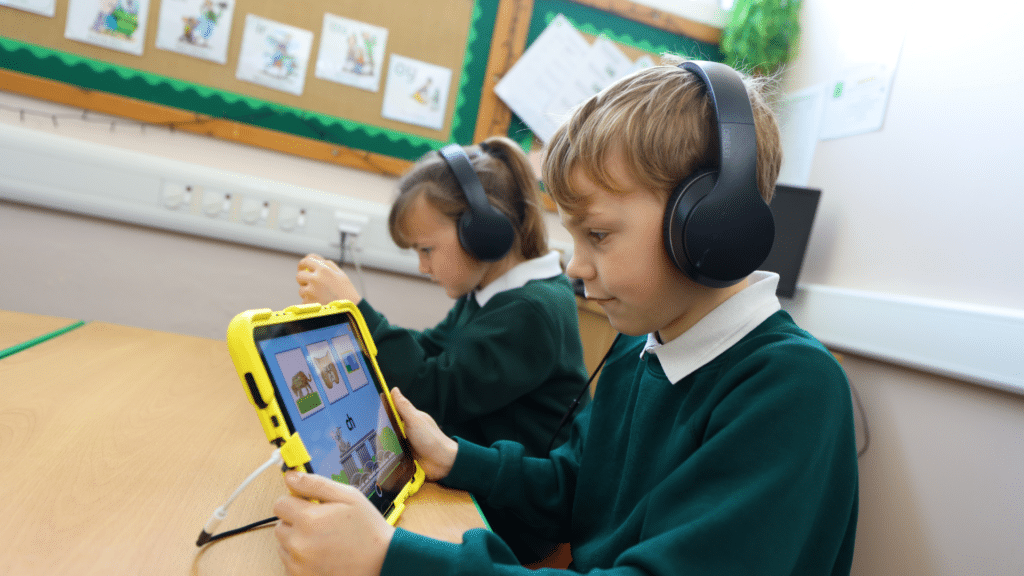
Helping pupils identify and blend sounds is a crucial step in developing early reading skills. Try these activities in your classroom:
Sound-to-Letter Matching: Use flashcards of letters and sounds. Pupils match the correct sound to the letter or digraph.
Sound Boxes (Elkonin Boxes): Pupils segment words into individual phonemes by placing counters or tokens in boxes as they say each sound.
Robot Talk: Teachers say words slowly, separating the phonemes (e.g., /c/ /a/ /t/), and pupils blend them to read the word.
Once pupils can hear and blend sounds, segmenting and spelling helps solidify their understanding:
Segment and Spell: Pupils hear a word, segment the phonemes and write each sound in order.
Sound Swap Games: Pupils use letter tiles to change a phoneme in a word to create a new word (e.g., swap /c/ in “cat” with /h/ → “hat”).
Word Ladders: Start with one word, pupils change one sound at a time to make a new word and see how high they can make their word latter!
Once pupils can hear and blend sounds, segmenting and spelling helps solidify their understanding:
Segment and Spell: Pupils hear a word, segment the phonemes and write each sound in order.
Sound Swap Games: Pupils use letter tiles to change a phoneme in a word to create a new word (e.g., swap /c/ in “cat” with /h/ → “hat”).
Word Ladders: Start with one word, pupils change one sound at a time to make a new word and see how high they can make their word latter!
Make phonics practice more interactive with games that focus on graphemes and phonemes:
Phonics Snap: Pupils play snap with cards showing graphemes or words.
Phoneme Fishing: Pupils “fish” for words or letters that match a particular phoneme.
Odd-One-Out: Pupils listen to or read a set of words and identify the word that doesn’t share the target phoneme.
The phonics screening check includes ‘alien’ or nonsense words, so it’s essential pupils are comfortable reading unfamiliar words:
Alien Word Games: Pupils read nonsense words aloud to find out the name of the alien, use visuals like “alien characters” to make it fun.
Alien Word Sorting: Pupils sort nonsense words by phoneme or spelling pattern.
Developing pupils’ listening skills ensures they can discriminate between similar sounds:
Phoneme Spotting: Pupils listen to a sentence and identify the target sound.
Odd Sound Out: Pupils hear three words and identify the one with a different initial, medial, or final sound.
Sound Detective: Pupils distinguish between words that differ by only one sound (e.g., “pin” vs “pen”).
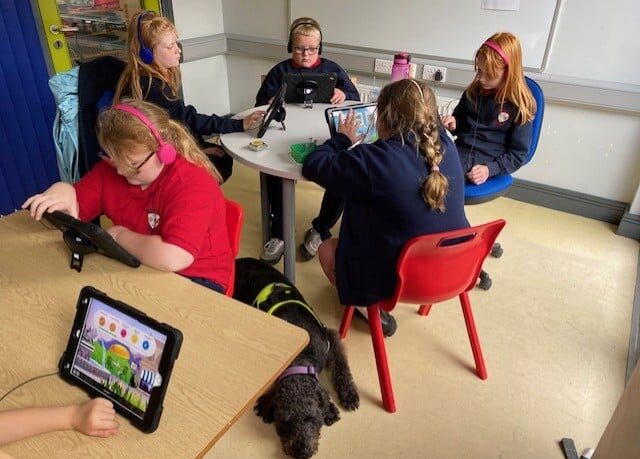
Finally, make phonics practice engaging with activities that feel like play:
Phonics Treasure Hunt: Hide cards with words or phonemes around the classroom for pupils to find and read.
Interactive Whiteboard Activities: Use the interactive phonics activities in Lexia Core5 Reading on the whiteboard to engage the whole class
Phonics Board Games: Create simple board games where pupils read words to move spaces forward
Finally, make phonics practice engaging with activities that feel like play:
Phonics Treasure Hunt: Hide cards with words or phonemes around the classroom for pupils to find and read.
Interactive Whiteboard Activities: Use the interactive phonics activities in Lexia Core5 Reading on the whiteboard to engage the whole class
Phonics Board Games: Create simple board games where pupils read words to move spaces forward

For secondary school leaders, preparing students for GCSE exams is one of their most critical responsibilities. Success in these exams opens doors for students, shaping their future educational and career paths. However, literacy challenges often hinder pupils from reaching their full potential. Strong reading, writing, and comprehension skills are essential not only for English GCSEs but for success across the entire curriculum.
Literacy skills are fundamental to understanding, interpreting and responding to exam questions, regardless of the subject. From analysing texts in English literature to comprehending complex word problems in maths, students need solid reading and comprehension skills to perform well. Poor literacy can affect students’ confidence and lead to lower achievement, even in subjects where they have strong content knowledge.
Secondary schools need to ensure that literacy gaps are addressed early, allowing students to approach their GCSE years with confidence. Schools that focus on building these skills consistently across all key stages will likely see stronger results come exam time.
Many secondary school students enter their GCSE years still struggling with foundational literacy skills. Addressing these gaps in a cost-effective and efficient way is crucial, but it’s not always easy, especially when traditional interventions are either too time-consuming or lack personalised support. Addressing the literacy needs of each pupil on an individual basis is crucial for unlocking their full potential. By tailoring interventions to address specific gaps, schools can provide more focused support, ensuring students make meaningful progress in areas like phonics, comprehension, and vocabulary.
Implementing a structured, consistent approach to literacy support can help even the most reluctant readers catch up. Regular assessment and adaptive instruction ensure that each student’s unique needs are met, and provide an opportunity for steady and measurable improvement.
One of the biggest barriers students face in GCSE exams is the vocabulary and comprehension demands across different subjects. For example, science exams require the correct use of technical terms, while subjects like history involve the analysis of source material. When planning intervention for these students, a focus on targeted vocabulary instruction and regular practice with reading comprehension tasks, exposing students to a variety of texts across subject areas.
By exposing students to a variety of reading materials and providing practice in applying their skills in different contexts, students are better prepared to tackle the challenges of the GCSE exams. This not only helps them in their English exams but also supports success in all subject areas where literacy is key.
Encouraging independent learning is another effective way to prepare students for GCSE success. Empowering pupils to take ownership of their literacy development can build the resilience needed to handle exam pressures. Providing opportunities for self-paced learning, alongside structured support, can enhance students’ confidence as they tackle more challenging texts
Schools that foster resilience in their learners through independent practice and literacy support set students up not only for exam success but for the broader demands of further education and employment.
To support secondary school leaders in their goal of raising GCSE outcomes, Lexia PowerUp Literacy offers a comprehensive solution. By targeting literacy skills such as word study, grammar, and comprehension, the program adapts to the unique needs of each student.
PowerUp is designed to help students close literacy gaps and build the skills needed for success across all subjects. With its focus on independent learning and resilience, PowerUp equips students with the confidence and skills they need to excel in their GCSE exams and beyond.
Backed by independent research and trusted by thousands of educators, our literacy programmes are research-proven.
Find out how we are helping schools to accelerate their literacy progress.
Keep up to date with the latest industry news from LexiaUK.

This term, we invited schools across the UK to take part in our Lexia in Action competition, a celebration of the creativity, commitment and impact behind high-quality Lexia implementation.
We were overwhelmed by the thoughtful submissions showcasing how educators bring Lexia to life in their classrooms, intervention spaces and wider school communities.
Today, we’re excited to announce our winners, three fantastic examples of Lexia in Action, each demonstrating how purposeful, data-informed practice can transform pupils’ literacy confidence.
Submitted by: Lisa Hollands, Learning Support Assistant
Our winning submission stood out for its creativity, consistency and inspiring whole-school culture of celebration.
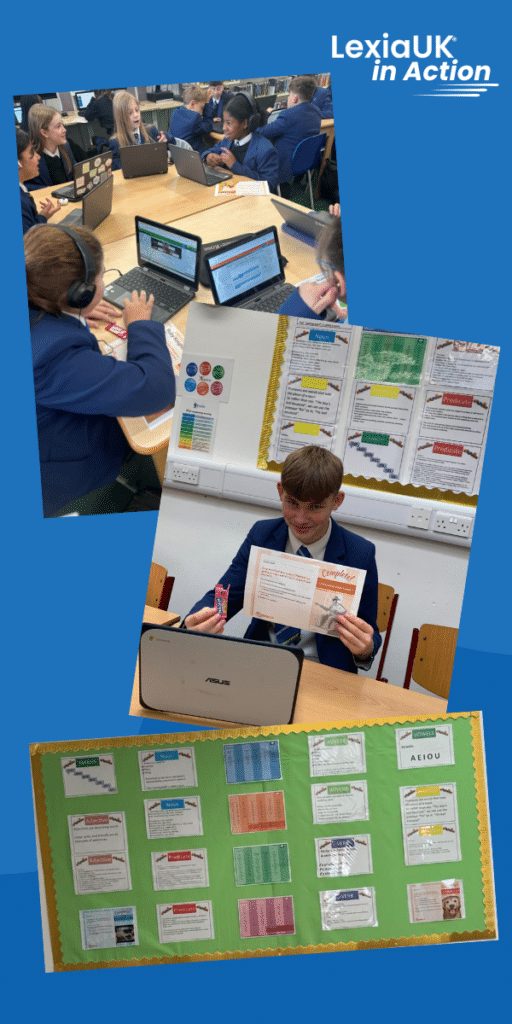
Two years ago, Lisa took on the responsibility for Lexia interventions and immediately found ways to tailor the experience around pupils’ needs. One of her first changes was transforming the intervention rooms:
“Many of our students particularly struggle with the grammar section of Lexia, so I filled the walls with simple explanations and examples… Students regularly refer to these visuals, and they have proved extremely helpful in supporting their understanding and confidence.”
Lisa didn’t stop there. She revamped how progress was celebrated by handing out certificates daily, paired with a small treat to recognise success in the moment.
“This simple change has had a huge impact—students are much more motivated, and they now push themselves to complete levels.”
Her weekly “Longest Streak” challenge keeps pupils focused and encourages them to ask for help when they need it, building both independence and resilience. Even staff get involved:
“We make it a point to model that mistakes are normal, even staff don’t always get the answers right! The students… take great joy in catching us out.”
A termly staff–student competition added a sense of fun and community and as the school has grown, so too has the Lexia cohort.
Congratulations to Lisa and The Forest School for an outstanding, learner-centred approach to Lexia!
Submitted by: Pame Muñoz-Cabrera, Newcomer & Diversity Leader
Holy Rosary impressed us with its deeply embedded approach to supporting newcomer pupils and learners with diverse needs.
Lexia plays a central role in the school’s blended literacy strategy:
“We embed Lexia daily as part of a blended approach to reading instruction.”
Direct teaching works hand-in-hand with Lexia’s adaptive tasks. Pame uses Lexia’s resources to plan small-group interventions focused on phonics, vocabulary, and reading strategies:
“Lexia adds to their learning journey by reinforcing these skills digitally and giving them confidence through personalised practice.”
To keep engagement high, the team at Holy Rosary do the following:
This thoughtful, consistent approach has made a real difference for pupils at Holy Rosary.
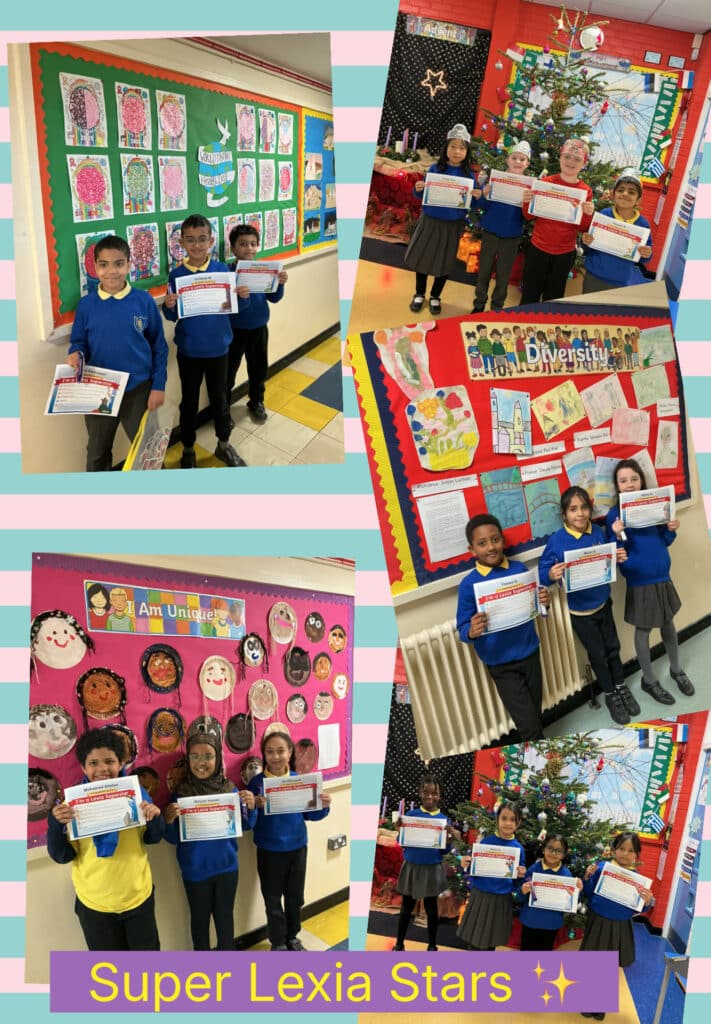
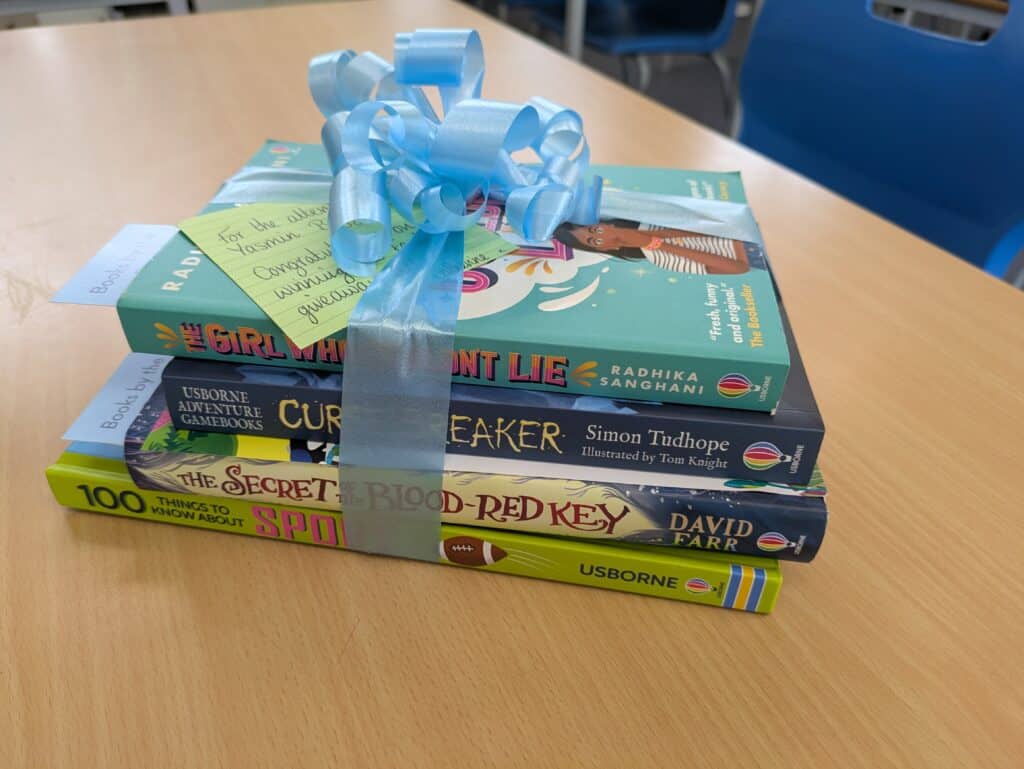
Submitted by: Yasmin Biggins, Literacy Lead
Our second runner-up demonstrated powerful, whole-school consistency from Year 7 all the way to Year 11.
“We have been using Lexia for two years, and the impact it has had on our students has been truly life-changing.”
Anchor charts and display materials support literacy across the intervention space, and older pupils benefit from bespoke GCSE-aligned targets. The end-of-year data tells a compelling story:
“Many demonstrate significant gains in their reading and spelling ages, with some even exceeding age expectations.”
Motivation is boosted with generous prizes, many donated by the local community. Highlights include skip-the-queue passes, food vouchers and an end-of-term raffle. Sharing progress updates with donors has strengthened community relationships as well as pupil engagement.
The most meaningful impact, however, is on students’ confidence:
“When a child who previously struggled with low self-esteem and confidence feels secure enough to raise their hand and read aloud, it is a clear sign that the programme is making a meaningful difference.” Yasmin Biggins, Literacy Lead
Backed by independent research and trusted by thousands of educators, our literacy programmes are research-proven.
Find out how we are helping schools to accelerate their literacy progress.
Keep up to date with the latest industry news from LexiaUK.

The festive season is upon us, and what better way to celebrate than by infusing the festive spirit into your classroom literacy activities? Christmas-themed literacy exercises not only engage students but also make learning more enjoyable.
Here are 5 Christmas-themed literacy activities to keep your pupils reading all the way up to the end of term:
Transform your classroom into Santa’s Spelling Workshop by organising a spelling competition with a festive twist. Include words related to Christmas, winter and festive traditions. To add an extra layer of excitement, you can offer small rewards or certificates to the winners.
Encourage creativity and imagination by hosting a Christmas story writing contest. Students can craft their own festive tales, incorporating characters like Rudolph, Santa, or even mischievous elves. Display the winning stories in the school library to showcase the budding literary talents of your students.
Introduce the art of poetry by organising a seasonal poetry contest. Students can compose and perform poems that capture the essence of Christmas, winter landscapes, or their own experiences. This activity not only hones their literacy skills but also builds confidence in public speaking.
Start a festive book club where students can choose and read Christmas-themed books together. This not only promotes reading but also encourages thoughtful discussions about the plot, characters, and themes. Consider inviting local authors or storytellers to share their festive tales with the students.
Create an “Elf on the Shelf” inspired grammar game. Place a mischievous elf figurine in different spots around the classroom, each time with a note containing a sentence with a grammatical error. Challenge students to find and correct the error, turning it into a fun and interactive grammar lesson.
Embracing the festive season in your literacy activities adds a touch of joy and enthusiasm to the learning environment. These Christmas-themed activities not only promote literacy skills but also foster a love for reading and writing.
As you plan next year’s curriculum, don’t forget include Lexia Core5 Reading and Lexia PowerUp Literacy in your plans to support students in their literacy journey.
Merry Christmas and happy reading!
Backed by independent research and trusted by thousands of educators, our literacy programmes are research-proven.
Find out how we are helping schools to accelerate their literacy progress.
Keep up to date with the latest industry news from LexiaUK.
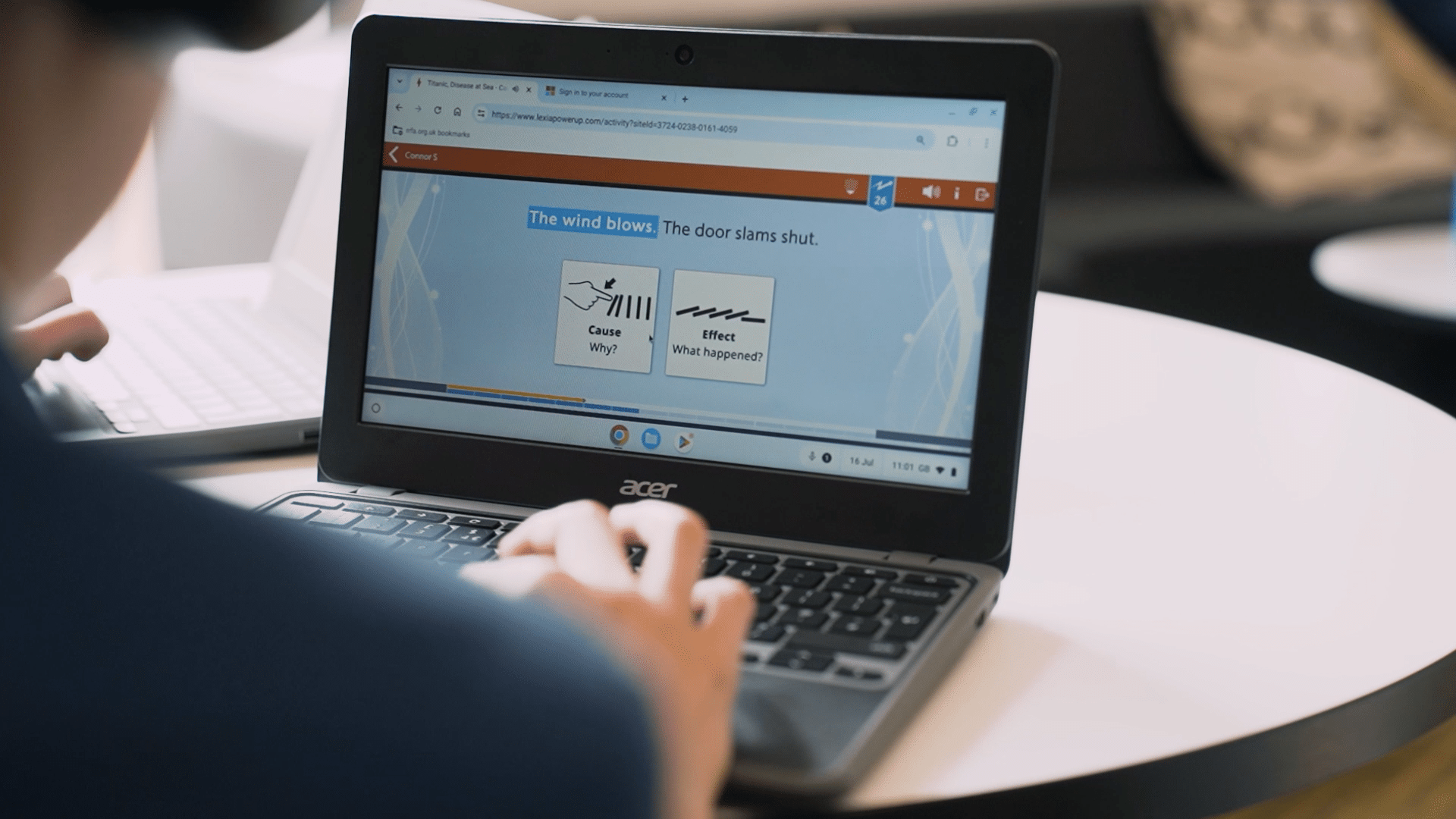
Across the UK and Ireland, secondary schools are using Lexia PowerUp Literacy to close literacy gaps and help students access the full curriculum with confidence. Designed specifically for older learners, PowerUp provides an independent, targeted, evidence-based approach that adapts to each student’s needs, building essential reading, vocabulary, and comprehension skills.
We’ve gathered voices from secondary educators nationwide who’ve seen measurable progress, renewed student motivation and powerful data that informs effective intervention.
These schools are helping their students catch up and keep up, and your school can too. Hear first-hand how Lexia helps teachers turn assessment into action.
Discover how Lexia PowerUp Literacy can help your students strengthen key literacy skills, build confidence and achieve measurable progress.
Complete the form below, and one of our Literacy Programme Consultants will get in touch to provide personalised guidance and a 30-day free trial of PowerUp, so your school can experience the impact first-hand.