

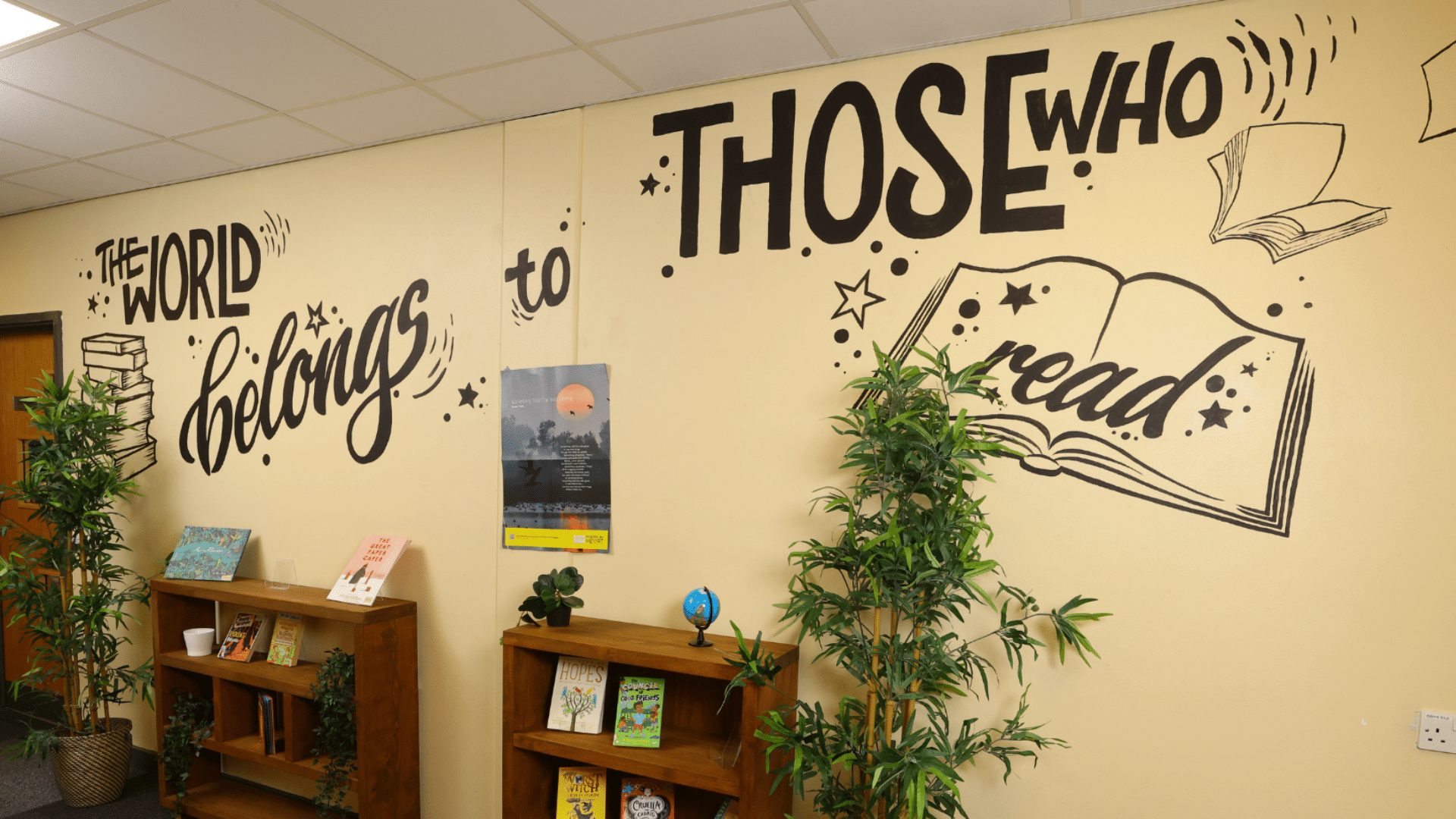
A well-placed classroom display can do more than brighten up a learning environment. It can celebrate progress, reinforce key literacy concepts and help pupils see how their skills are developing over time.
Across Lexia schools, educators are finding creative ways to bring literacy learning to life. From collaborative vocabulary walls to interactive reading displays, there are plenty of literacy display ideas that can make learning more visible and engaging. With a clear purpose, classroom displays can complement everyday teaching, encourage pupils to reflect on their progress and keep reading at the heart of the school day.
Here are four ideas for creating engaging displays that celebrate pupils’ progress in Lexia and make literacy learning more visible across your school
Why use classroom displays to support literacy?
Purposeful displays can be a valuable part of your wider literacy strategy. They help keep learning visible beyond individual lessons and provide regular opportunities for pupils to revisit key concepts, reflect on their progress and celebrate what they’ve achieved.
For schools using Lexia Core5 Reading or Lexia PowerUp Literacy, displays can also help embed the programme into everyday school life. They can reinforce the importance of regular practice, encourage pupils to take ownership of their learning and give staff a shared way to recognise progress.
Displays don’t need to be elaborate or time-consuming to make an impact. The most effective ideas are those that have a clear purpose, involve pupils and evolve as learning develops.
4 Ways to Use Lexia Displays to Support Learning
1. Create a Collaborative Display
Bring pupils together around a shared goal. Collaborative displays give pupils an active role in celebrating their learning. Rather than creating a finished display all at once, consider building it together over time, allowing pupils to contribute as they develop new skills or explore literacy concepts.
Reading display ideas to try :
- Build a shared reading display: Ask pupils to contribute favourite words, new vocabulary or examples of reading skills they’ve been practicing.
- Create a literacy learning wall: Dedicate sections to different reading skills, allowing pupils to add examples, questions or explanations as their understanding develops.
- Celebrate teamwork: Create a shared display where pupils contribute towards a class goal, reinforcing the message that everyone’s effort plays a part in the wider learning community.
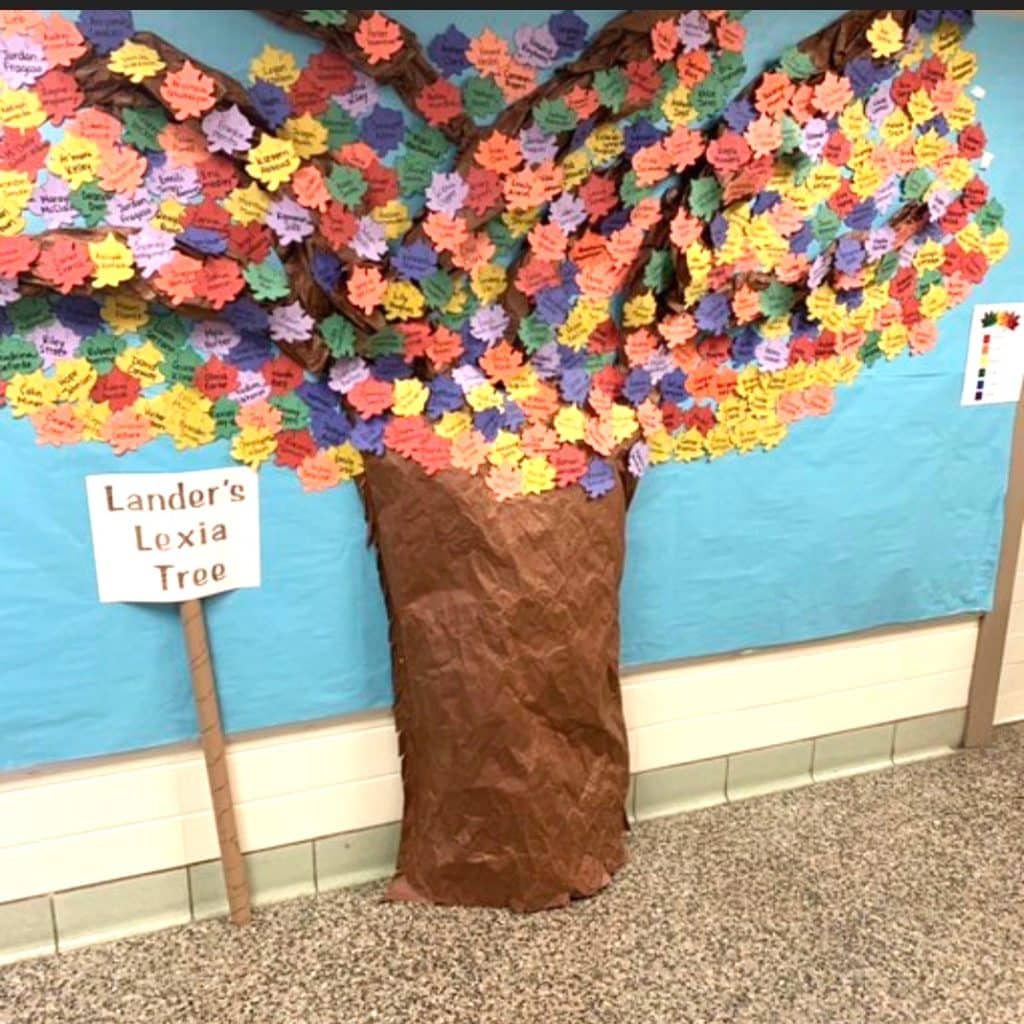
- Grow a Lexia tree: Invite pupils to add a leaf whenever they reach a milestone, master a new skill or achieve a personal goal. Watch the tree grow as pupils progress through the programme.
- Let pupils shape the display: Invite pupils to suggest ideas, choose how achievements are represented or update the display themselves to encourage ownership.
2. Use Competitions and Challenges to Celebrate Achievement
Friendly challenges and competitions can help build enthusiasm around literacy learning, particularly when they recognise consistent effort and collective achievement.
Literacy display ideas to try:
- Start a Lexia challenge: Use a visual tracker or leaderboard to celebrate progress towards a literacy goal. Our recent Lexia League competition is a great example of how friendly competition can encourage participation and recognise pupil’s achievements.
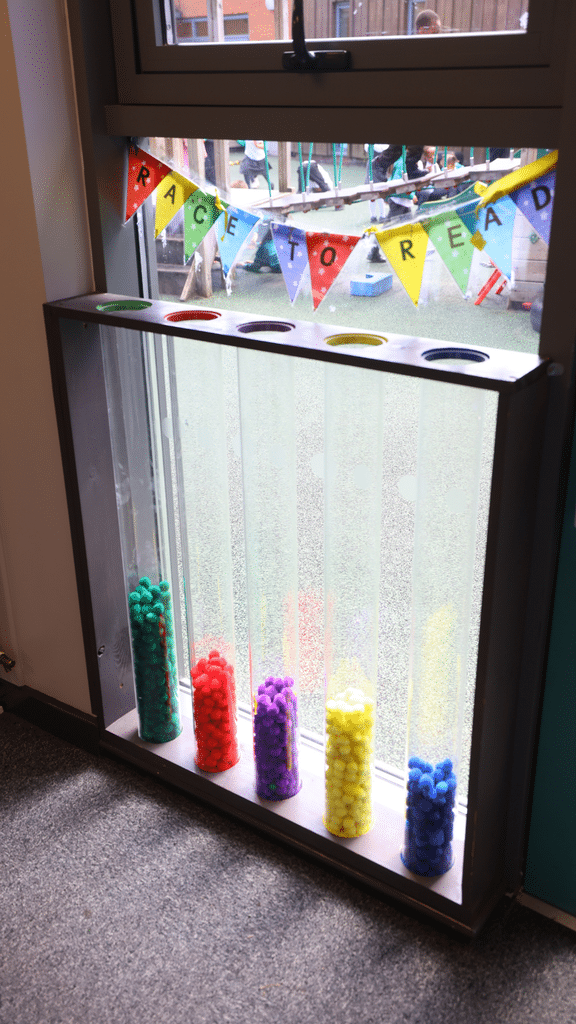
- Collect pompoms or tokens: Turn Lexia progress into a friendly competition, either individually or in teams. Pupils can earn pompoms or tokens for reaching milestones, with progress tracked in individual containers or shared team collections to celebrate achievements along the way.
- Create a Reading Race: Represent progress along a racetrack, with milestones marking achievements such as completing a level or developing a new skill.
- Celebrate weekly achievements: Update a display with class milestones, recognising consistency and positive learning habits. For PowerUp users, a ‘Streak of the Week’ display can help promote accuracy and perseverance when working on the programme
- Set a whole-school literacy challenge: Bring classes together to work towards a shared school target, with a display showing how each class contributes to the overall achievement.
Keep the focus on participation, perseverance and progress. A shared display can help pupils see how their individual contributions support a collective achievement, while giving staff a positive way to recognise engagement with literacy learning.
3. Showcase Progress over Time
Help pupils see how far they’ve come. Recognising progress can help pupils develop confidence in their abilities and understand that learning is a journey. A display that changes over time offers a visual reminder of the skills they’ve developed and the milestones they’ve reached.
Classroom display ideas to try:
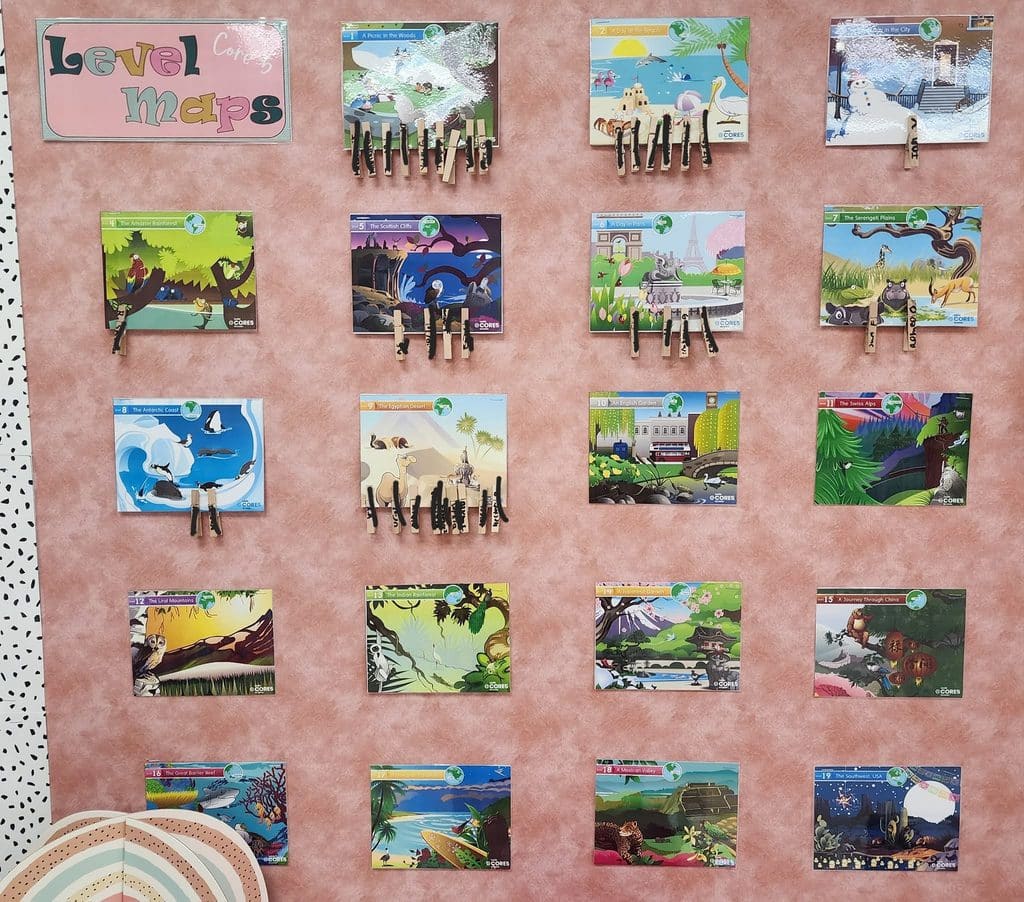
- Map individual learning journeys: Use Core5 Map Resources in myLexia alongside pupils photographs to show where pupils are working in the programme, updating the display as they progress.
- Celebrate programme milestones: Create a display recognising pupils’ achievements, such as certificates earned, time spent on the programme or units mastered. Update it regularly to celebrate progress and highlight the effort pupils are putting into their learning.
- Build a progress mountain: Create a mountain with different stages representing learning milestones. Pupils can move their name, photo or marker up the mountain as they progress, recognising that every step forward counts.
- Celebrate personal bests: Create a rotating display of individual achievements, such as reaching a new level, mastering a skill or meeting a personal target. Refresh it regularly so different pupils have opportunities to be recognised.
- Achievement stars: Create a star for each pupil and add smaller stars around it whenever they reach a milestone. This provides a visual record of individual achievements that grows over time.
- My reading toolkit: Give each pupil a toolbox or toolkit on the display. As they develop reading skills and strategies, they can add a tool representing each new skill, showing how their reading toolkit is growing.
When designing a progress display, consider how to celebrate achievement while respecting pupils’ privacy and ensuring that comparisons between individual pupils are avoided. The aim is to help every pupil recognise their own development, rather than measure themselves against others.
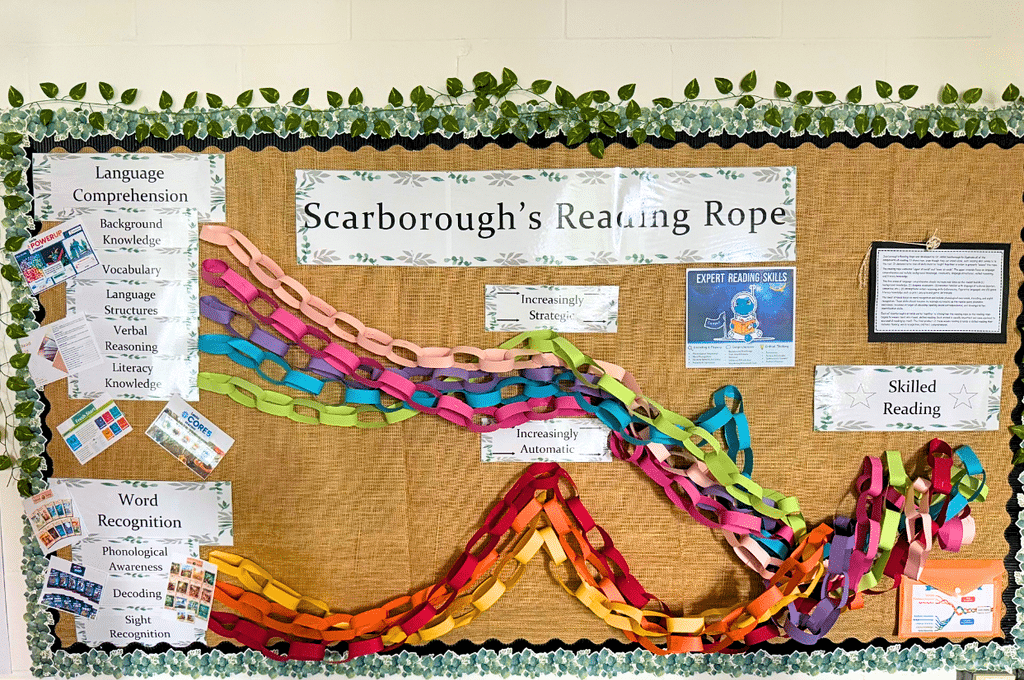
4. Supporting Metacognition with Interactive Displays
Help pupils understand how reading skills fit together. Skilled reading involves a range of connected abilities. Helping pupils understand these skills can support metacognition, encouraging them to think about how they learn, recognise their strengths and identify the areas they are developing.
Reading intervention display ideas:
- Create an interactive Reading Rope: Use removable labels or movable elements so pupils can explore the different strands and see how they connect.
- Build a Reading House: Use the Reading House model to show how different reading skills work together to support skilled reading. Label the foundations and building blocks, then invite pupils to add examples of skills they’ve practised or strategies that have helped them. This can help pupils understand not just what they’re learning, but how each skill contributes to becoming a confident reader.
- What helps me understand? Create an interactive display with prompts such as “What do I do when I meet an unfamiliar word?”, “How do I check that a sentence makes sense?” and “What helps me understand a text?” “What am I finding tricky.” Pupils can add sticky notes describing the strategies they use, building a shared bank of approaches to reading.
By making the components of reading more visible, displays can help pupils develop a stronger understanding of what they’re learning and why it matters.
Create a Lexia Display and share it in our ‘Lexhibition’ – an exhibition-style showcase celebrating creativity across the Lexia community.
Whether you already have a Lexia-themed display in your school or are looking for inspiration to create one, we’d love you to get involved!
From collaborative classroom displays to creative ways of celebrating literacy learning and pupil progress, there are lots of ways to bring Lexia to life in your school. Create your own display and share a photo with us for the chance to win one of our National Book Token prizes:
- 1st place: £200 National Book Token
- 2nd place: £100 National Book Token
- 3rd place: £50 National Book Token
A selection of other entries will also be celebrated on our Lexhibition page, showcasing the creativity of the Lexia community and sharing ideas that other schools can adapt.
The competition is open to LexiaUK customers only. Please submit your photograph by 4:00pm on 22 January 2027 to be considered.
Enter the Lexia Display Competition
"*" indicates required fields
Competition Terms
- Competition dates: The competition will run from 24th November to 22nd January 2027.
- Entry deadline: Entries must be submitted via the official competition form by 4:00pm on 22nd January 2027. Entries received after this deadline will not be included.
- Eligibility: The competition is open to LexiaUK customers only. Entries must be submitted by an authorised representative of the school.
- Entry requirements: Entrants must submit a photograph of a Lexia-themed display in their school using the official form, along with the requested school and contact details.
- Multiple entries: Schools are welcome to submit multiple entries if they have several Lexia-themed displays they would like to share. Each display must be submitted separately via the official form.
- Winner selection: The winner will be selected by a LexiaUK judging panel. Entries will be judged on creativity, relevance to literacy learning and their potential to inspire other schools.
- Winner notification: The winner will be contacted directly by LexiaUK before the winners’ celebration post is published on 29th January 2027 Please ensure the contact details provided are correct.
- Prize: The selected winner will receive a £200 National Book Token with £100 and £50 book tokens being offered to 2nd and 3rd place respectively. The prize is non-transferable and no cash alternative will be offered.
- Celebrating entries: Selected displays and the winning entries will be featured in LexiaUK’s ‘Lexibition’ celebration post, showcasing ideas from across the Lexia community.
- Image permissions and usage: By submitting an entry, you confirm that you have the necessary rights and permissions to share the photograph with LexiaUK. You grant LexiaUK permission to feature the submitted image in the Lexibition celebration post and subsequent LexiaUK marketing activity.
- Pupil privacy and consent: Please ensure that appropriate permissions have been obtained for any identifiable individuals shown in submitted photographs, particularly pupils. Where possible, submit photographs that focus on the display itself rather than identifiable pupils.
- Image content: Submitted images must be appropriate for a professional educational audience and must not contain confidential information or personal data that should not be shared publicly.
- Use of school names: By entering, you agree that LexiaUK may identify your school alongside the submitted display if it is selected for publication, subject to any additional permissions required.
- Data protection: Personal information provided through the entry form will be used to administer the competition, contact the winner and arrange publication of selected entries. Any further use of personal information will be handled in accordance with LexiaUK’s applicable privacy notice.
- General conditions: LexiaUK reserves the right to exclude entries that do not meet the competition requirements or to amend, suspend or cancel the competition where circumstances beyond its reasonable control make this necessary.