EEF Effectiveness Study Results
Discover how Lexia Core5 Reading helped pupils make two additional months’ progress in reading.



The Department for Education’s Curriculum and Assessment Review and the Government’s Response represent the first major review of the education framework in over a decade.
The aim is clear: to ensure the national curriculum remains ambitious, inclusive, and relevant for today’s learners. The curriculum must also equip them with the knowledge and skills they need to thrive in a changing world.
For secondary schools, the implications for literacy are profound. Reading, writing, and oracy will take centre stage across Key Stage 3 and 4, with new expectations for how these skills are taught, assessed and supported in every subject.
The Review concludes that the national curriculum remains “broadly sound” but highlights ongoing inequities that continue to limit outcomes for too many learners. Disadvantaged pupils and those with SEND remain disproportionately affected, while schools are under increasing pressure to build digital and media literacy alongside core reading and writing skills.
The guiding principle of “evolution, not revolution” is sensible in its recognition that teachers need stability. However, some may feel the Government’s current pace risks overlooking the urgency of persistent literacy gaps that widened during and after the pandemic. Without sufficient funding or training, even the most thoughtful policy intentions may struggle to translate into meaningful classroom impact.
The Government’s response builds on these findings, outlining a roadmap for curriculum reform and assessment change:
Literacy is set to become a shared responsibility across every subject area. The Government plans to introduce a new secondary literacy framework; connecting reading, writing and oracy development into a unified strand of learning.
This framework will promote:
This framework rightly recognises literacy as a shared responsibility across the curriculum. Yet its success will depend on sustained professional development and time for teachers to embed literacy practices meaningfully within their subjects.
Adaptive literacy tools like Lexia® PowerUp Literacy already align with this approach, building reading fluency, comprehension and critical thinking through personalised, data-driven learning.
Key Stage 3 will become an increasingly critical phase for developing and consolidating literacy skills.
Adaptive literacy programmes can provide the support schools need to respond effectively. Lexia PowerUp Literacy enables teachers to identify and close reading gaps quickly, providing targeted practice in word recognition, comprehension and grammar.
Real-time data dashboards in myLexia help staff pinpoint pupils who may need additional support, strengthening readiness for Key Stage 4.
At Key Stage 4, the reforms are likely to place greater emphasis on mastery and depth:
Here again, adaptive tools such as Lexia PowerUp Literacy can provide structured, motivating pathways that help older students catch up and prepare confidently for exams.
Both the Review and the Government’s response acknowledge that the current system “does not work well for all learners,” particularly those with SEND and from disadvantaged backgrounds. The Government’s response commits to a more inclusive curriculum through:

The proposed measures are promising. However, the real test will be implementation. Schools will need sustained support and funding to deliver genuinely inclusive literacy provision. Without this, the gap between policy aspiration and classroom reality could persist.
Lexia’s adaptive technology already helps bridge this gap, delivering personalised literacy instruction that adjusts to each pupil’s pace, including those with SEND or low prior attainment. By combining accessibility, motivation and measurable progress, schools can ensure every learner develops the skills and confidence to succeed.
As schools prepare for these reforms, a few practical steps can help lay the groundwork:
At Lexia, we’re proud to partner with schools to help every learner reach their literacy potential. Our adaptive reading programmes, including Lexia® PowerUp Literacy, support fluency, comprehension, and confidence across Key Stage 3 and 4, empowering teachers with the insights and flexibility they need to meet diverse learner needs.
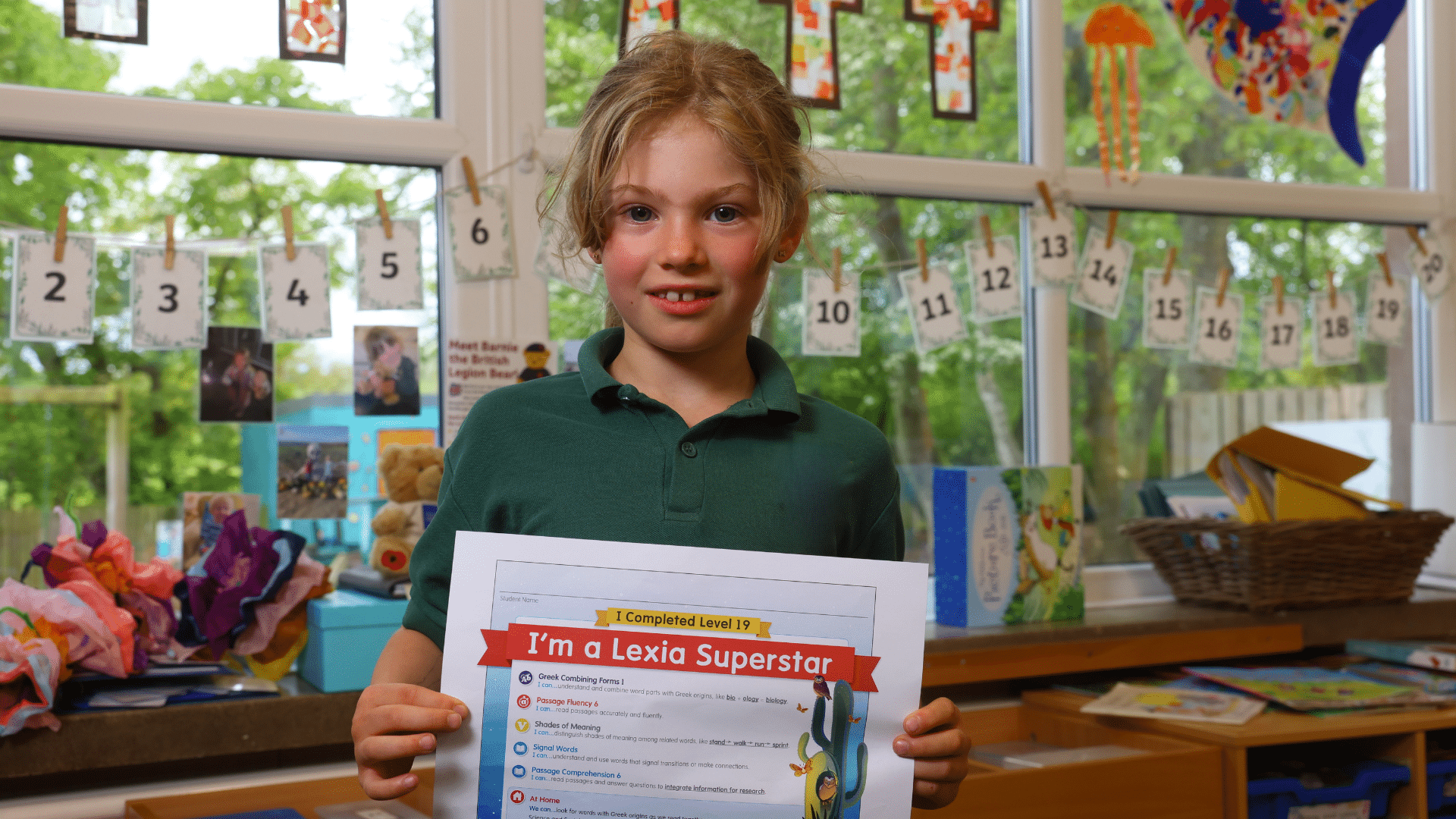
Discover how Lexia Core5 Reading helped pupils make two additional months’ progress in reading.

Find out how we are helping schools to accelerate their literacy progress.

Keep up to date with the latest industry news from LexiaUK.