


For many primary school leaders, Key Stage 2 can feel like a careful balancing act. Pupils are expected to draw on years of prior learning, apply their reading and writing skills with increasing independence, and prepare for both statutory assessments and the transition to secondary school.
At this stage in the year, literacy gaps often become more visible, and more urgent. What may have once been small inconsistencies can now present as more significant barriers to progress.
The good news is that we are not short of guidance. The real opportunity lies in how we translate that guidance into focused, practical action, especially in the final term. This is where the Education Endowment Foundation’s (EEF) ‘Reading House’ offers something particularly valuable: a clear, shared way of understanding reading that helps leaders move from broad concerns to precise next steps.
Understanding Reading: The “Reading House”
One of the challenges with providing literacy support is that it can sometimes feel difficult to pin down what skills need to be addressed. When a pupil is described as a “struggling reader”, it doesn’t always tell us what the issue(s) are and what needs to happen next.
The Reading House helps to bring clarity. It reminds us that reading is not a single skill, but a structure built over time. Strong foundations in phonics and early language support everything that follows. As pupils move through Key Stage 2, fluency, vocabulary and comprehension become increasingly important, working together to enable confident, independent reading.
A similar model, Scarborough’s Reading Rope, illustrates how these components (or strands) become increasingly interwoven over time. As pupils develop fluency and automaticity, these strands tighten, leading to skilled and confident reading.
For school leaders and teachers, this shift in thinking is helpful. It moves conversations away from general attainment to specific skill gaps. Rather than asking “Who is behind?”, we can ask:
- Which component of reading is the barrier?
- Which targeted support will address it most effectively?
This is where meaningful intervention begins. Guidance from the Education Endowment Foundation consistently highlights that strong literacy outcomes are built through a combination of high-quality teaching and carefully targeted support. What the Reading House adds is a way to ensure that this support is not only evidence-informed, but also precisely aligned to how reading actually develops.
It encourage a more joined-up approach. Teaching, assessment and intervention are no longer separate conversations, but part of the same picture which each contribute to strengthening the overall reading structure.

What Can Educators be Doing Now?
As the summer term approaches, this is not about introducing something entirely new. Instead, it is about sharpening focus and making the most of the time that remains.
Start with Diagnostic Assessment
A helpful starting point is assessment, but not just in terms of scores or outcomes. At this stage, the most valuable insights are diagnostic. When teachers can see which part of the Reading House is less secure, their teaching can become more precise and limited time can be allocated more effectively. A pupil struggling with comprehension may, in fact, be held back by limited vocabulary. Another may understand a text well but lack the fluency to access it efficiently. These distinctions matter, particularly as pupils prepare for transition.
Strengthen Formative Assessment
Alongside this, there is real value in strengthening formative assessment within the classroom. In the final weeks of term, small instructional adjustments can have a significant impact. When teachers are continually checking understanding and responding in the moment, pupils are more likely to secure the skills they need before moving on. The Reading House provides a shared language for these decisions, helping to keep teaching focused and consistent across the school.
Focus on Evidence-Informed Interventions
Intervention, too, becomes more effective when viewed through this lens. The Education Endowment Foundation reminds us that impact comes from coherence rather than isolated initiatives. When support is directly matched to the specific component of reading that needs strengthening, it is far more likely to make a difference. Without that alignment, even well-intentioned interventions can miss the mark.
Leverage Technology to Support Targeted Teaching
Technology can also play a supportive role in this picture. In a busy Key Stage 2 classroom, meeting a wide range of needs can be challenging. Used thoughtfully, technology can provide targeted practice across different aspects of reading, while allowing teachers to focus their time where it is needed most. The key is ensuring that any tool used reflects the full structure of reading, rather than narrowing the focus to just one element.
How Can Lexia Core5 Reading Support Teachers and Pupils?
For schools looking for a structured and scalable approach to literacy, Lexia® Core5® Reading has been designed to meet these needs. It goes beyond focusing on a single skill, supporting pupils across the full spectrum of reading development from phonological awareness through to comprehension. This helps ensure that gaps are identified and addressed wherever they appear.
Adaptive Learning For Every Pupil
One of the features that schools often highlight is Core5’s adaptive nature. As pupils work through the programme, the level of challenge adjusts automatically. Pupils who are struggling receive extra scaffolding and practice, while those ready to progress can move on without being held back. This ensures that learning remains both efficient and appropriately challenging for every individual.
Blended Learning That Connects to the Classroom
Core5 is not just an online programme. Its blended approach combines digital learning with teacher-led resources, making it easier to link independent practice to classroom teaching. This connection helps ensure that what pupils are learning online reinforces (and is reinforced) by the work happening in lessons.
Engaging Pupils and Building Confidence
Engagement is a key part of Core5’s design. Game-based elements, progress tracking and a clear sense of achievement help motivate pupils and build confidence, even for those who have previously struggled with reading. By making literacy enjoyable and rewarding, the programme supports pupils in developing not just skills, but a positive attitude towards reading.
In Practice: Herrick Primary School
At Herrick Primary School, Lexia Core5 Reading has become an integral part of daily literacy routines, supporting pupils across the full spectrum of reading development. Pupils take ownership of their learning, independently tracking progress, completing activities and receiving immediate feedback through the programme’s adaptive system.
This approach has been particularly valuable for English Language Learners and those who initially struggle with literacy, allowing them to develop essential skills such as phonics, sentence construction and comprehension while also building confidence and motivation. Teachers have noticed that pupils frequently transfer what they learn in Lexia directly into classroom tasks, demonstrating both fluency and understanding in reading and writing.
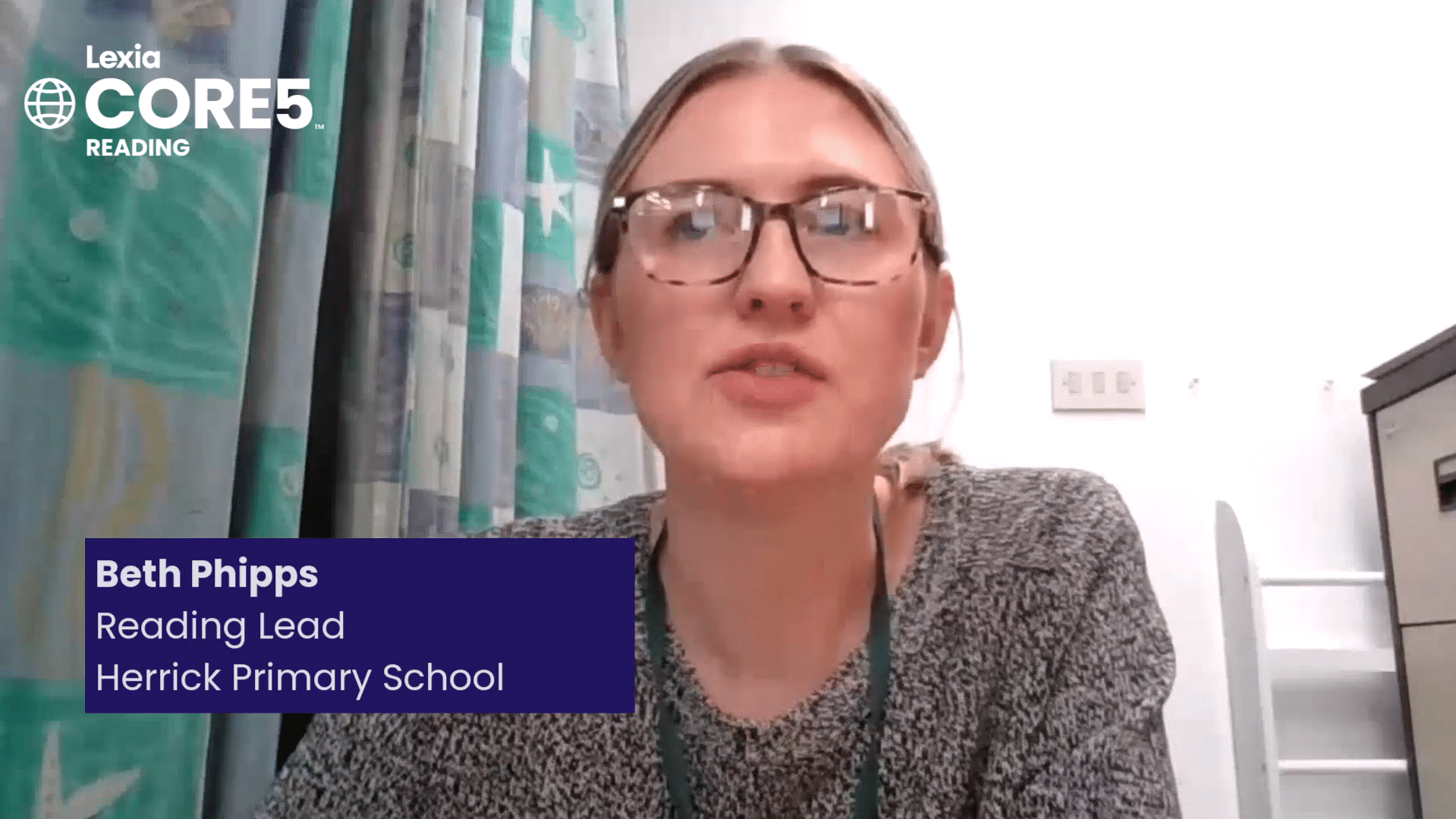
The programme’s blended approach and engagement features, game-based activities, progress tracking and personalised rewards, have helped embed consistent routines and sustained motivation across Key Stage 2.
Herrick’s experience highlights the importance of structured, targeted support, informed by ongoing assessment, that complements high-quality teaching. By combining diagnostic insights, adaptive practice and opportunities for pupils to take ownership of their learning, the school has been able to close skill gaps, enhance fluency, and prepare pupils effectively for end-of-year assessments and the transition to secondary school.
Taking the Next Step
As the summer term approaches, there is a real opportunity to put these ideas into action. Even a short period of focused, targeted support can begin to close gaps and build momentum ahead of the next academic year.
A 30-day evaluation of Core5 Reading offers schools the chance to explore this approach in their own context. It provides time to identify key needs, establish routines and begin to see how targeted, adaptive support can fit alongside existing teaching.
With evidence suggesting that meaningful impact can be seen in as little as 12 weeks, acting now can help to set pupils up not only for end-of-year assessments, but for a more confident start to what comes next.
If you’re considering how best to strengthen literacy provision in Key Stage 2, complete the form below to begin.
Get in touch today
"*" indicates required fields