Make informed decisions about what works
Independent research can help you understand whether an intervention has demonstrated an impact on reading outcomes, rather than relying solely on a provider’s claims or testimonials.


Every pupil deserves the opportunity to become a confident, capable reader. For school leaders, choosing the right reading intervention is an important decision that can influence pupils’ progress, confidence and access to the wider curriculum.
With a range of programmes and approaches available, it can be difficult to know which will make the greatest difference. How can you distinguish promising claims from reliable evidence? What should you look for when comparing interventions? And how can you be confident that a programme is right for your pupils and your school?
Taking an evidence-informed approach can help you answer these questions, make better use of school resources and select provision that addresses pupils’ needs.
This guide explores what to look for in a reading intervention, where to find reliable evidence and how to evaluate a programme before making a longer-term commitment.

Independent research can help you understand whether an intervention has demonstrated an impact on reading outcomes, rather than relying solely on a provider’s claims or testimonials.
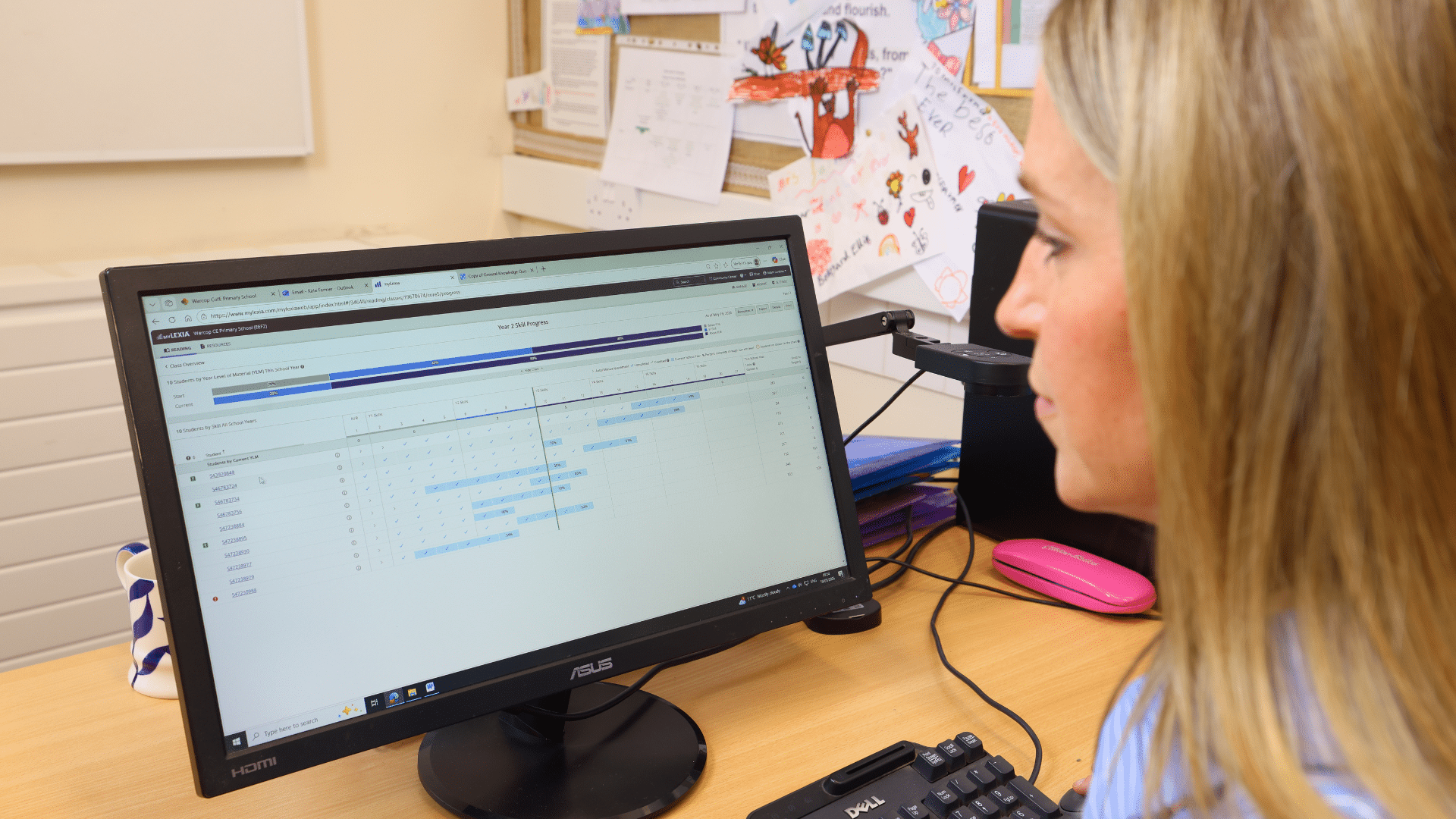
Staff time, funding and teaching resources are limited. Understanding the evidence behind different approaches can help schools prioritise interventions that address their identified needs.
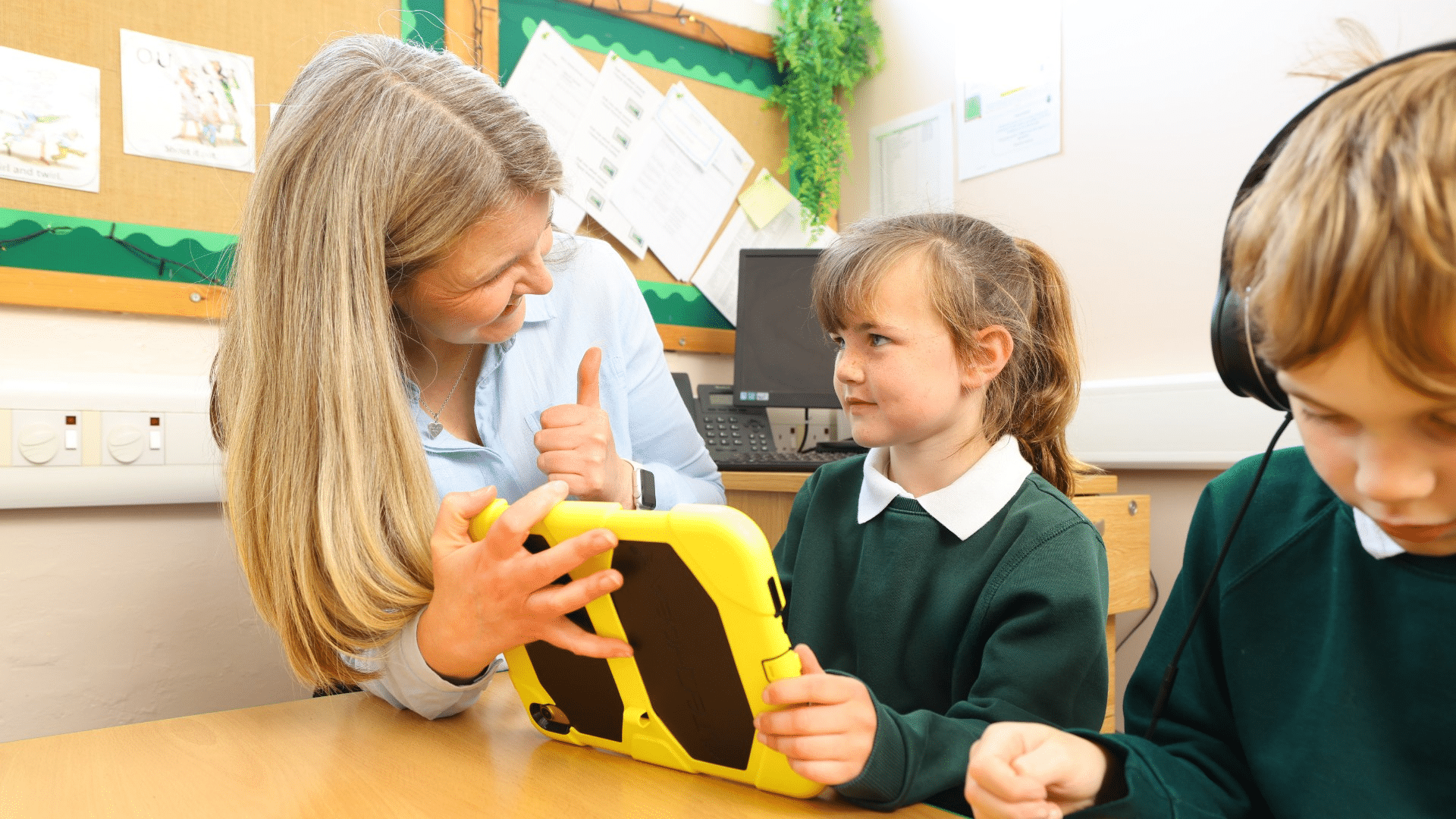
Reading difficulties can arise from different underlying skill gaps. Research-informed interventions can help schools identify appropriate approaches to developing the skills pupils need.
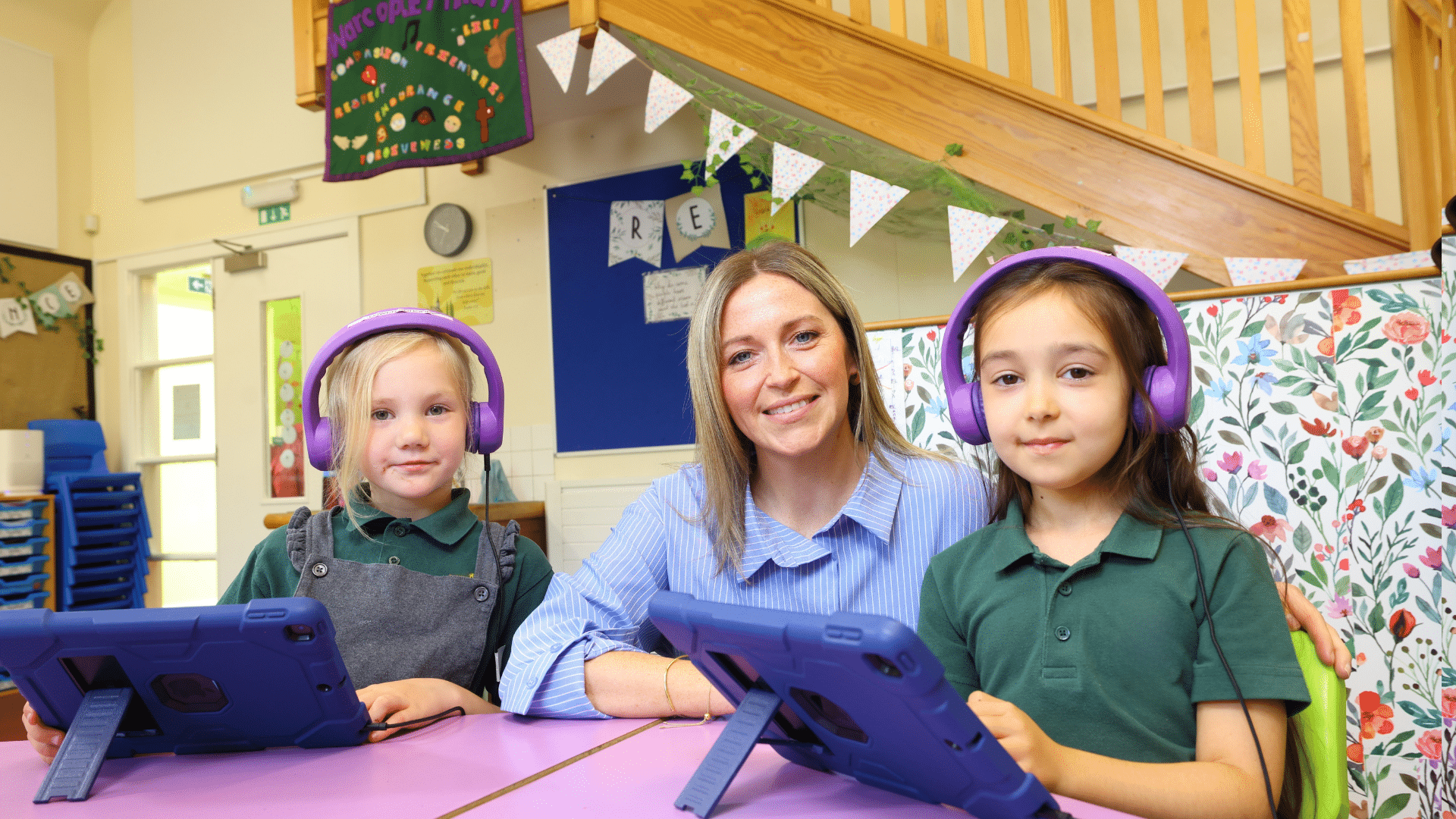
Evidence can support conversations with governors, trustees and school leadership teams about why a particular approach has been selected and how its impact will be evaluated.

An evidence-informed approach does not end when a programme is chosen. Monitoring implementation and pupil progress helps schools understand what is working and where adjustments may be needed.

With budgets under pressure, schools need to demonstrate that literacy interventions deliver value and improve outcomes. An evidence-informed approach helps leaders justify investment and meet expectations around impact, reflected in Ofsted’s inspection framework and Inclusive Mainstream Fund (IMF) guidance.
Reading development involves several skills, including phonological awareness, phonics, fluency, vocabulary and comprehension. Look for an research-informed intervention that has a clear rationale for how its teaching supports the development of these skills.
Consider:
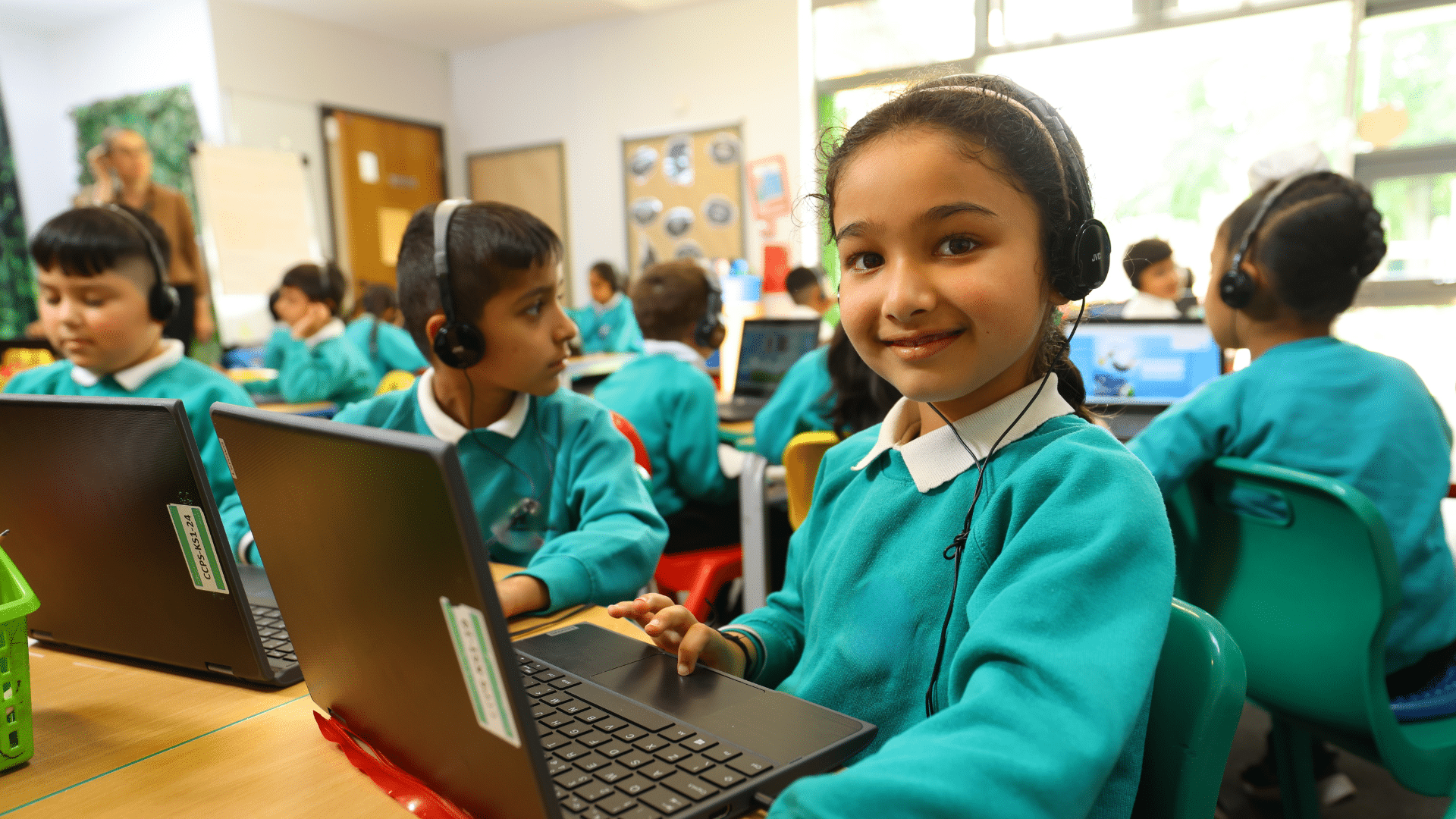
A programme may be grounded in sound educational principles, but that doesn’t always mean it has demonstrated an impact on pupil outcomes.
Look for independent evaluations that measure progress and explain how results were obtained. Consider research quality, number of pupils involved and relevance to your setting. Case studies can offer useful insights, but more robust efficacy studies test whether an intervention works under controlled conditions, while effectiveness studies assess impact in real-world school settings.
The EEF’s Promising Programmes list is a useful starting point, bringing together programmes evaluated by the EEF to help schools explore the evidence behind different approaches.
Explore the EEF Promising Programmes list

An effective intervention should address pupils’ needs rather than simply provide additional activity. Consider the age and reading attainment of the pupils you want to support, the skills they need to develop and any barriers to their participation.
Ask:
Look for an approach that is flexible and scalable enough to meet the diverse needs of most, if not all pupils and adapt to your wider literacy strategy.

Research findings need to be considered alongside the delivery. Even an evidence-based intervention requires appropriate implementation to give pupils the best opportunity to benefit.
Consider:

Before introducing an intervention, decide what improvement should look like and how you will evaluate it.
Ask:
Clear measures of success make it easier to identify what is working and make informed decisions about future provision.

When reviewing evidence, it is helpful to understand the difference between efficacy and effectiveness studies.
Efficacy studies examine whether an intervention can achieve positive outcomes under ideal conditions. They help establish whether an approach has the potential to work before it is tested in typical real-world settings.
These studies can provide valuable early evidence of an intervention's impact, although they may involve fewer schools and pupils than larger-scale effectiveness studies.
Effectiveness studies examine whether an intervention improves outcomes when delivered across a wider range of schools under more typical educational conditions. They generally involve larger samples of schools and pupils, helping researchers assess whether positive results can be observed across a broader range of settings and learners.
A larger sample can make findings more robust by reducing the influence of chance variation and providing greater confidence in estimates of impact. It can also help researchers explore whether results are consistent across different pupil groups and school contexts, although this depends on the study's design and sample size.
For school leaders, this makes large-scale effectiveness research particularly valuable: it provides evidence not only of whether an intervention can work, but also of how well it performs in real-world educational settings.
Both types of study have their place. Efficacy studies help establish an intervention's potential, while effectiveness studies can build on this evidence by testing its impact at scale in everyday practice. Together, they provide a more complete picture of an intervention's potential and effectiveness.
When reading research findings, consider:
Months of additional progress can help communicate research findings, but the figure should always be interpreted in the context of the study design, duration and comparison condition.
For example, a result showing additional progress compared with usual school provision is not the same as a comparison with pupils receiving no support. Understanding that distinction is essential when assessing the potential value of an intervention.
Use our practical checklist to help structure discussions with providers, compare potential interventions and make an informed decision about your school's reading provision.
It covers the key questions to ask about:
Lexia® Core5® Reading has been evaluated through both an EEF efficacy trial and a subsequent large-scale effectiveness trial.
The effectiveness trial involved 224 schools across England and found that Year 2 pupils receiving Lexia Core5 Reading made, on average, two additional months' progress in reading in a 12 to 24-week period compared with pupils of similar attainment in comparison schools. The study evaluated the programme under everyday school conditions and received a high security rating for its overall reading outcome.
The evaluation also considered the costs of delivering the intervention, including staffing, training and equipment, and found that it represented a low-cost approach compared with similar interventions.
The findings illustrate why the scale, design and context of a study matter when evaluating a reading intervention.
You do not need to conduct your own research study to make a more informed decision. There are several useful starting points for exploring the evidence behind reading interventions.
The EEF's Pupil Premium guidance recommends using reliable external evidence alongside school data and professional expertise to inform spending decisions. It encourages schools to consider high-quality teaching, targeted academic support and wider strategies in the context of their identified priorities.
If you are considering using Pupil Premium to fund a reading intervention, assess whether it addresses the needs of disadvantaged pupils, how it fits within your wider strategy and what evidence supports its likely impact.
Read the EEF's Pupil Premium evidence guidance.
For schools in England, the Inclusive Mainstream Fund (IMF) supports the development of more inclusive mainstream provision. When considering how reading interventions could contribute to your school's inclusion priorities, it is important to understand pupils' needs, address barriers to learning and ensure support aligns with your wider inclusion strategy.
The Education Endowment Foundation (EEF) also provides guidance on inclusive teaching and selecting promising programmes, with Lexia® Core5® Reading featured as an evidence-informed option for schools to consider. This guidance can help school leaders evaluate reading interventions alongside the evidence of their impact and how they complement high-quality classroom teaching.
Schools should check the latest IMF guidance and funding conditions to confirm eligibility and permitted expenditure before committing funds.
Explore the Department for Education's Inclusive Mainstream Fund guidance.
Read EEF’s Guide to Inclusive Teaching
Independent research can help you identify promising interventions, but a trial can help you assess how well a programme fits your pupils and school context before making a longer-term commitment.
A school-based trial will not replace independent evidence, but it can help you evaluate practical suitability and plan effective implementation.
Before the trial: Identify the pupils you want to support, establish their starting points and define what you want the intervention to achieve. Plan how it will fit into the timetable and what resources, training and staff time will be required.
During the trial: Monitor participation and consistency, review available progress data and gather feedback from staff and pupils. Address any barriers to implementation before drawing conclusions about the programme.
After the trial: Review progress against your original objectives. Consider whether the intervention addressed pupils’ needs, fitted your school’s provision and could be delivered consistently. Use these findings alongside independent research and professional judgement when deciding on next steps.
Remember that a short trial alone cannot establish an intervention's effectiveness. Consider the quality of the wider evidence, the amount of intervention pupils received and other factors that may have influenced their progress.
LexiaUK works with schools to support literacy development through personalised reading programmes, educator training and ongoing guidance.
Lexia Core5 Reading supports primary pupils in developing foundational reading skills, while Lexia PowerUp Literacy provides targeted support for secondary pupils who need to strengthen their reading.
Both programmes are designed to help educators identify reading needs, deliver personalised learning and use progress information to inform support.
If you are reviewing your school's reading provision, explore the evidence behind Lexia programmes and consider how they could complement your existing literacy strategy.